
Consumer technology has become part of our daily lives: smartphones, laptops, smart TVs, gadgets, and more. Most of these products are not cheap. When they encounter technical issues or break down completely, it can feel like you have only two options — get a repair shop to fix the item, or buy an entirely new one. However, a DIY trend that has found footing at the state legislative level aims to change that.
The trend is termed the Right to Repair. The focus is placed on the notion that consumers who purchase technology should have access to the documentation, parts, and tools to repair the item on their own. Websites like iFixit are advocating for this movement. Through this movement, manufacturers are being called out for designing products that cannot be easily repaired, for withholding critical documents that are key to the repair process, and for designing and manufacturing items that are more likely to be replaced, rather than fixed.
iFixit and the Right to Repair

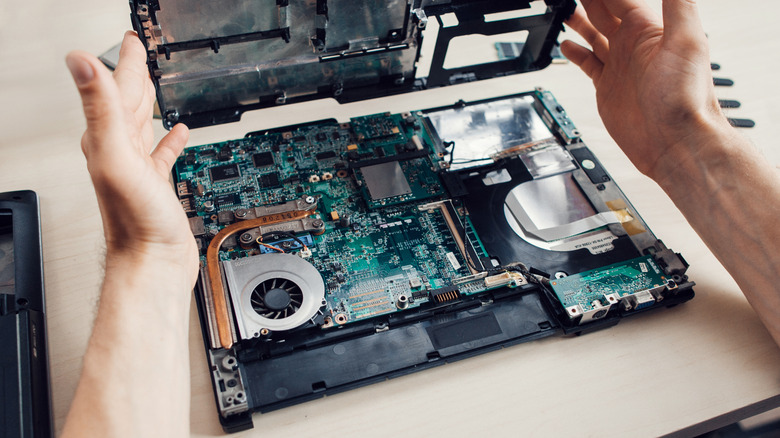
As of early 2025, legislation concerning the Right to Repair has been at least introduced in all 50 states. Some states have seen related legislation pass, including California, New York, Minnesota, Oregon, and Colorado. Lawmakers are making the legal push to demand that basic repair information and parts are made available to the public. That means everyone — from a small independent repair shop, to individual consumers — can get what they need to fix an item, rather than being forced to negotiate with manufacturers or deal with proprietary repair centers.
A website called iFixit, terming itself the “Free Repair Manual” online hub, makes step–by-step guides available at no cost. It boasts over 127,000 manuals, and that number could increase as more states finalize their respective pieces of Right to Repair legislation and additional manufacturers jump on board. iFixit hosts a community-based section where users share repair tips, as well as a shop to purchase parts from. iFixit even has a free app if you don’t want to keep your computer running during the repair process.
Instead of going to a repair shop or buying a new item, you can turn to iFixit for guidance around the repair of Android phones, iPhones, computers (including Macs), tablets, and game consoles. The website covers more than just electronics, though, offering info related to vehicles, medical devices, clothing, cameras, and more. The website claims it has already supported over 100 million repairs, putting power back in the hands of consumers.
Why there is pushback from manufacturers

Not all manufacturers have supported the Right to Repair movement, nor websites like iFixit. Opponents have protested in defense of their intellectual property rights, also citing a need to protect consumer data and privacy as part of their opposition. Opponents also state that it can be unsafe for consumers to handle repairs themselves, and that manufacturers are best suited to handle the repair process.
It might be easy to understand where manufacturers and larger repair-oriented entities are coming from, outside of the aforementioned arguments. Keeping repairs in-house logically spurs greater revenue, whether through refurbishment, planned obsolescence, or through sales of replacement units.
On the other hand, it can be seen as convenient to simply buy a new product — and some DIY repairs, including repairs tied to the iPhone 17, aren’t necessarily cheap, depending on what you need replaced. Supporters of the Right to Repair, though, point out that making products easily fixable means less waste and a smaller carbon footprint.