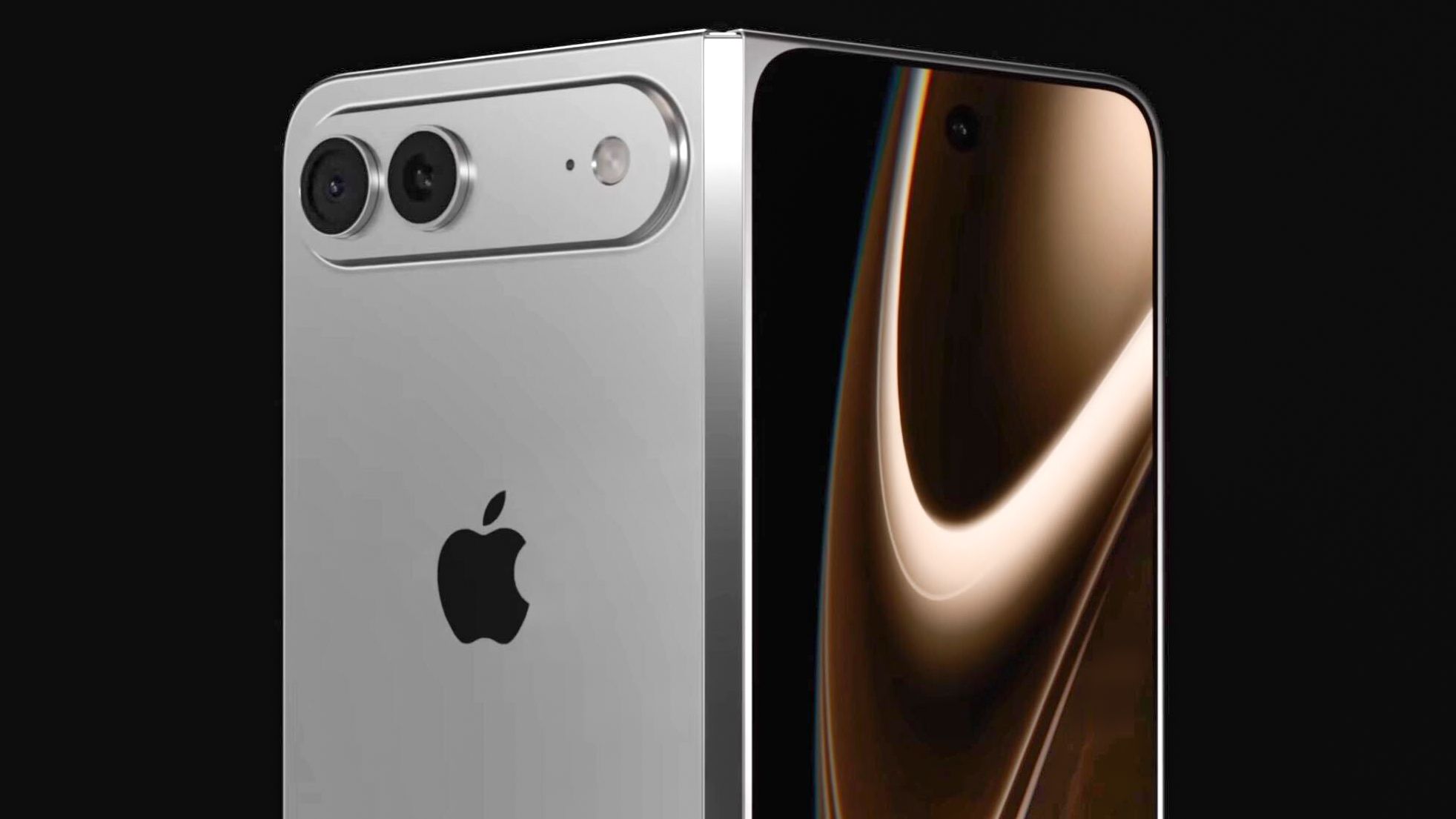
Apple is famously late to all sorts of product categories. Remember MP3 players like the Creative Nomad before the iPod? Smartphones like the BlackBerry before the iPhone? Tablet PCs before the iPad?
Apple sometimes takes several years before it decides to enter the market, and history looks to be repeating itself with the iPhone Fold, which could be called the iPhone Ultra. Yet Samsung and others have been making foldable phones since 2019 — this summer will see the release of the Galaxy Z Fold 8.
So you would think that Samsung would handily beat Apple at creating the best foldable phone given all of the experience under its belt. After all, the Galaxy Z Fold 7 in particular was a leap forward in terms of its super thin and light design. But the iPhone Fold could blow away the Galaxy Z Fold 8 on Apple’s very first try. Here’s 5 reasons why.
Article continues below
The first ‘crease-free’ foldable display?
One of the biggest complaints about book-style foldable phones is that the display has a visible crease when unfolded, but Apple could be solving that issue with the iPhone Fold — ironically with Samsung’s help.
According to reporting by Bloomberg and others, Apple has opted for new display technology that reduces the crease without eliminating it entirely. The panel will reportedly be supplied by Samsung. We may have gotten a sneak peak at this CES 2026 with Samsung’s Mont Flex display prototype, but there’s some debate as to how quickly it’s coming to market.
A wider main screen with no black bars
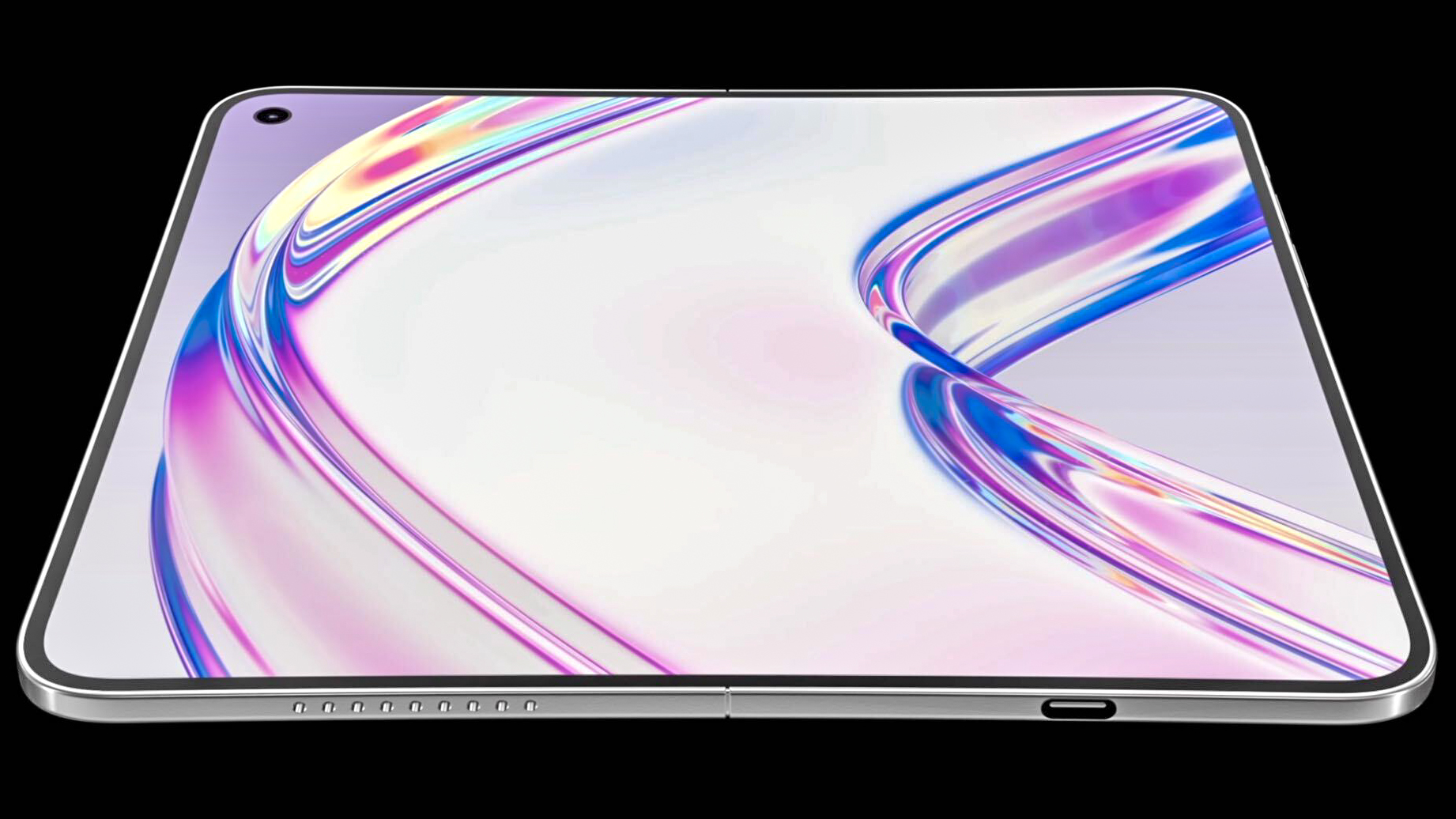

The iPhone Fold is said to feature a passport-style design with a 4:3 aspect ratio. The internal 7.8-inch widescreen will minimize the black bars that usually sit above and below the display when watching video. The Galaxy Z Fold 7, for example, has a nearly square 8-inch internal display.
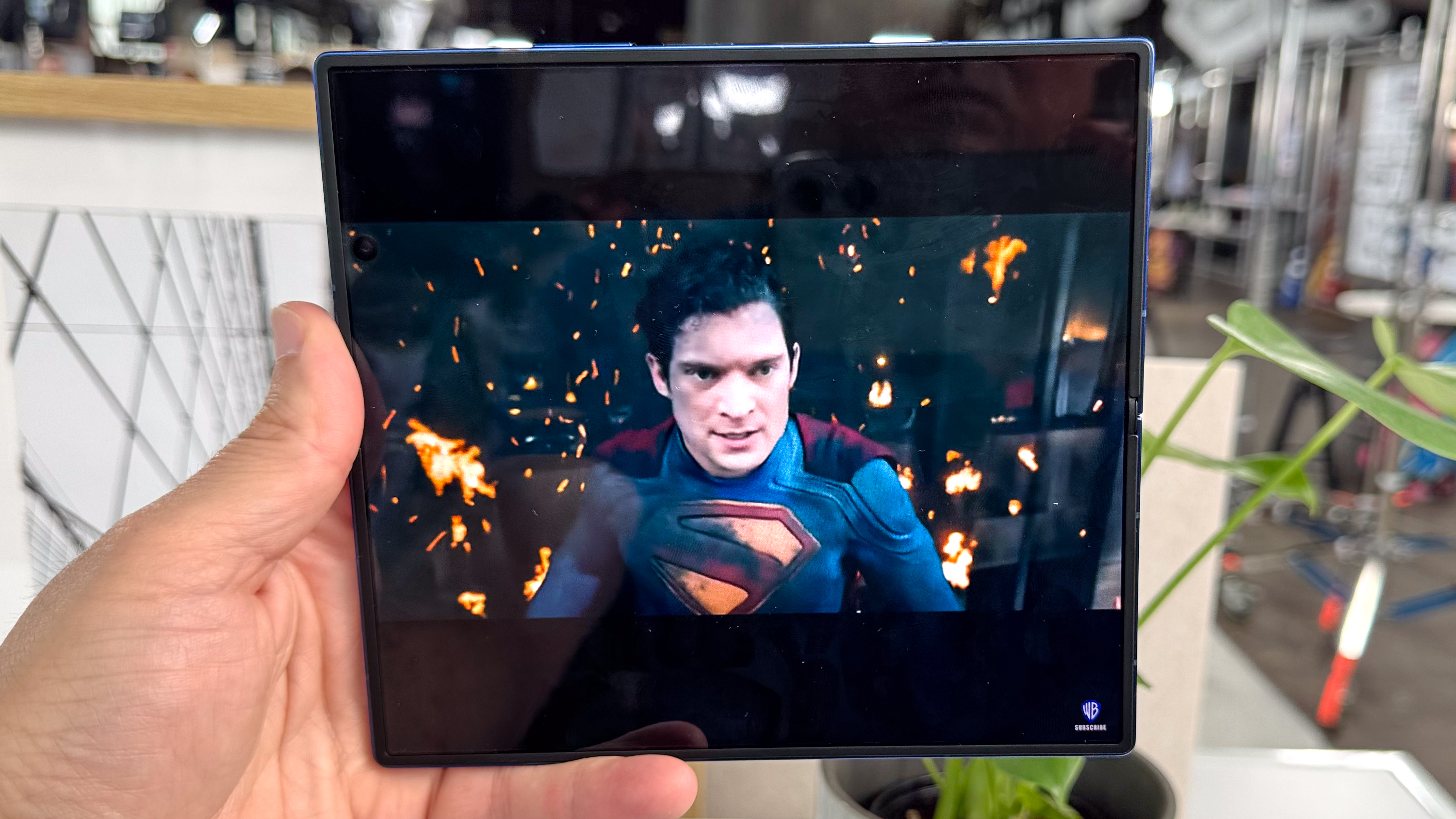

The front display on the iPhone Fold is tipped to be 5.5 inches, which would be smaller than the 6.5-inch panel on the upcoming Galaxy Z Fold 8. But having a wider panel up front could make for a less cramped keyboard and more natural-looking apps.
It’s worth noting that Samsung is developing a widescreen version of the Z Fold 8 as well. Gee, I wonder why?
A bigger battery
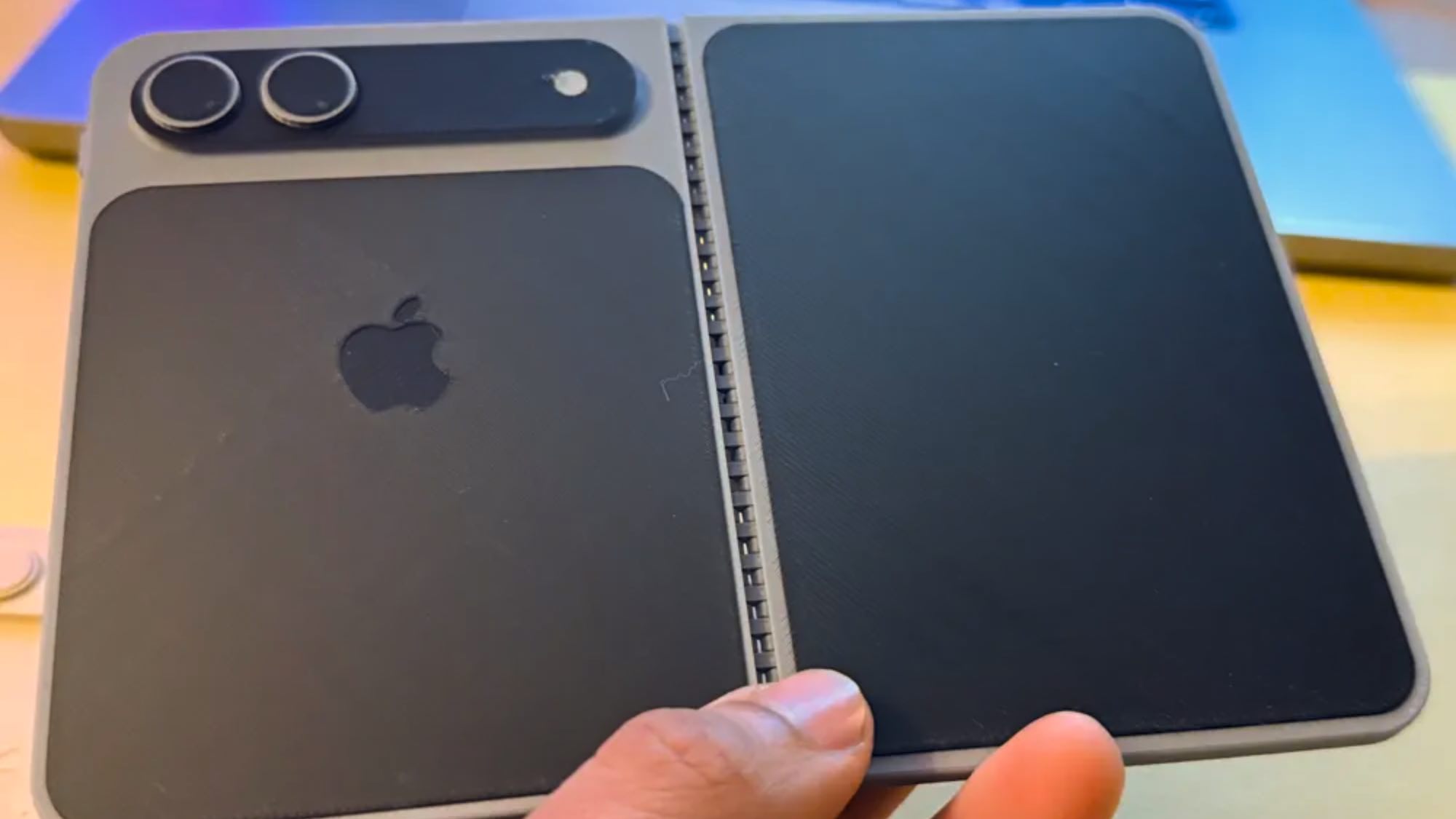

While the estimates vary, the iPhone Fold is rumored to pack the largest battery ever in an iPhone at 5,500 mAh or larger. That would likely beat the rumored 5,000 mAh for the Z Fold 8. The current iPhone 17 Pro Max has a capacity of just over 5,000 mAh.
This added capacity would be important given the sheer size of the iPhone Fold’s display. For context, the Galaxy Z Fold 78 lasted just under 11 hours in the Tom’s Guide Battery Test, which involves continuous web surfing at 150 nits of screen brightness. The new Galaxy S26 Ultra lasted 16:10. So I would expect the iPhone Fold to outlast the Galaxy Z Fold 8 but we’ll have to see.
iPad-like interface
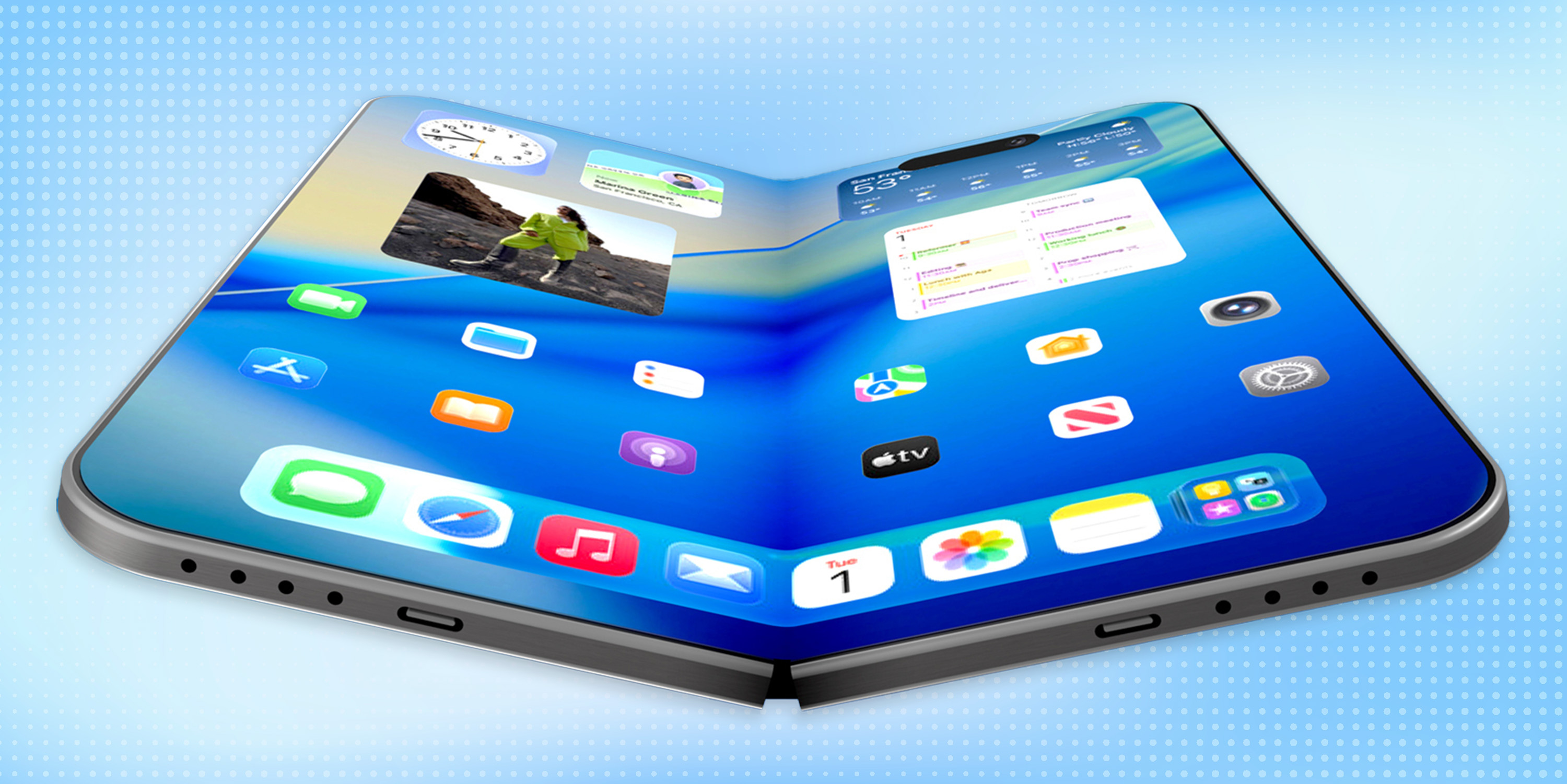

No, the iPhone Fold won’t run the full iPadOS. It will likely be powered by iOS 27. But the iPhone Fold will reportedly have an iPad-like interface when using the main display. This will enable the device to run apps side by side for the first time on an iPhone.
As reported by Bloomberg, the new interface will make it easier for developers to redesign their iPhone apps “to more closely resemble iPad software.” So think layouts with sidebars and apps that look like their iPad mini counterparts in landscape mode.
However, the iPhone Fold apparently won’t be able to run three apps at once, like the Galaxy Z Fold series.
More durable design
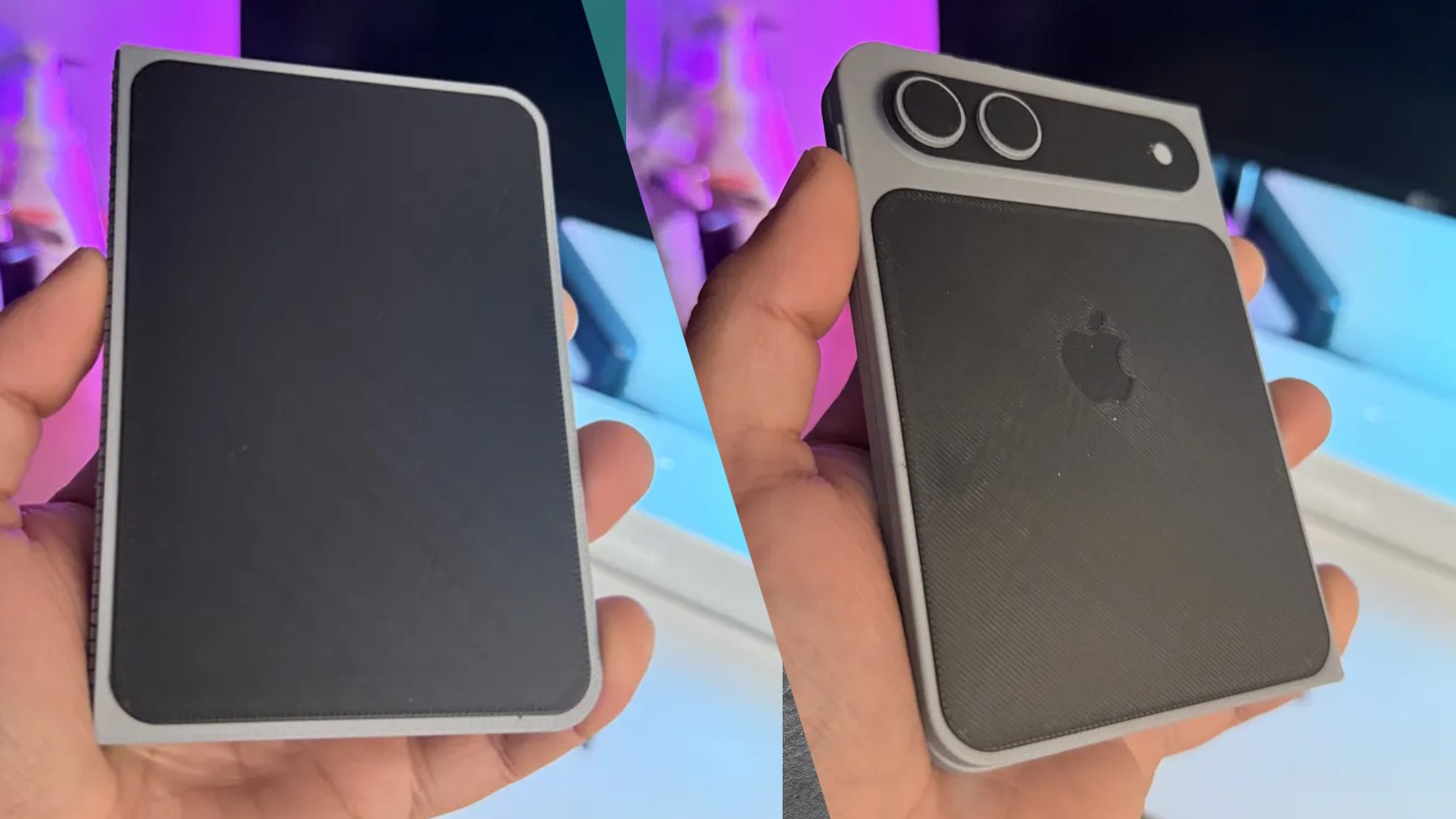
One of the biggest concerns around foldable phones is durability, but Apple may have a couple of key advantages over the competition. According to a report in The Elec, the iPhone Fold may utilize transparent polyimide (PI) film as a protective film material for the Ultra Thin Glass (UTG).
An industry insider explained that “transparent PI film is more expensive than PET film, but it has high surface hardness and strong scratch resistance.”
Apple may also leverage liquid metal for the iPhone Fold’s hinge, which would be more durable than today’s foldable phones. Previously, Bloomberg’s Mark Gurman reported that Apple was looking to “offer a much higher quality hinge” than the competition.
Where the Galaxy Z Fold 8 should win
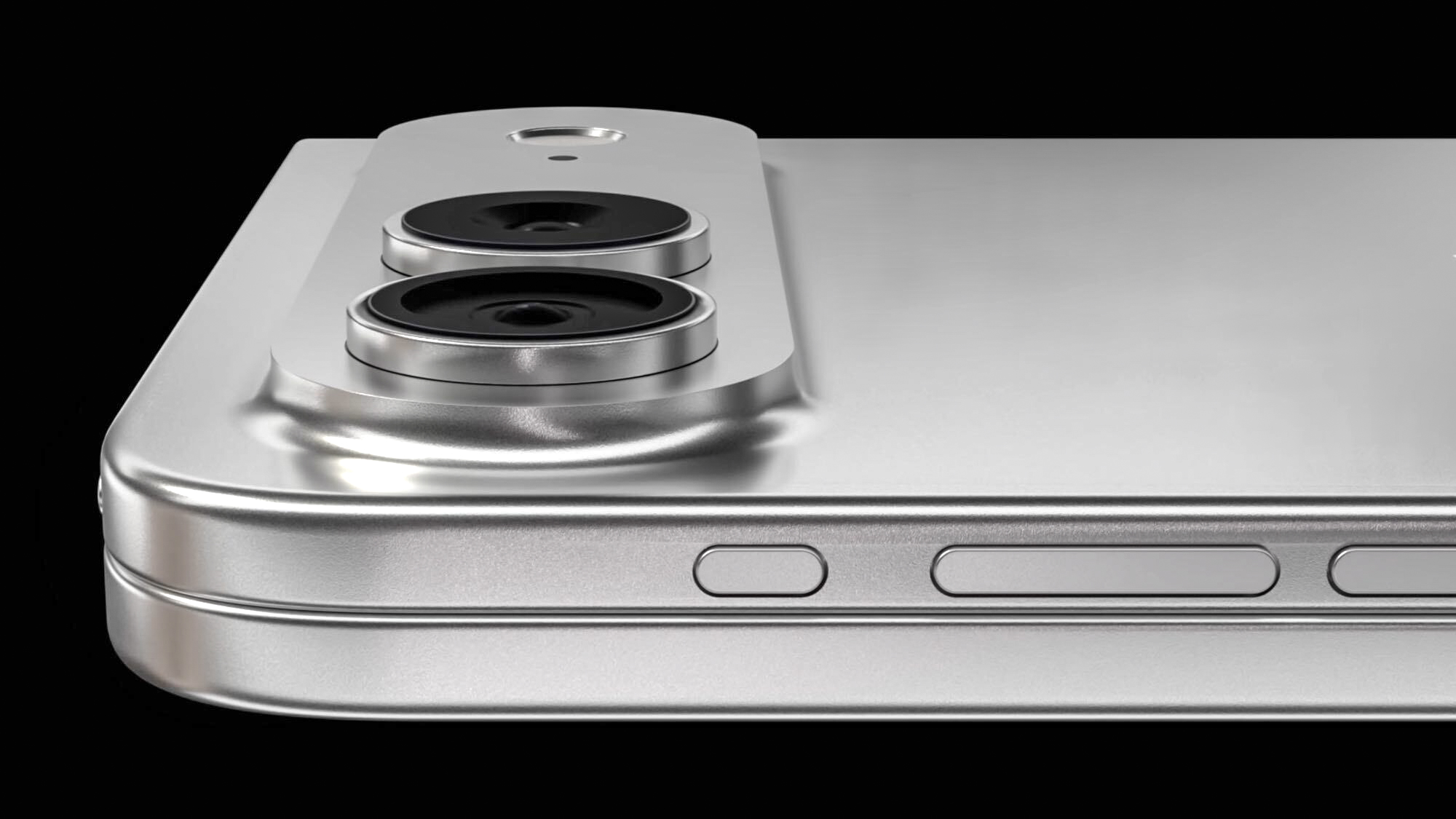
While the iPhone Fold could be a super strong first entry for Apple, the Galaxy Z Fold 8 should have some advantages of its own. The biggest should be the camera setup, as the iPhone Fold is tipped to sport only two rear cameras: a wide and ultra wide camera with no telephoto lens.
Meanwhile, the Z Fold 8 should have a dedicated 12MP telephoto lens, so Samsung should win the zoom battle.
Samsung could also win on price. While the Z Fold 8 will likely cost $2,000. But Apple’s foldable has been rumored to cost anywhere from $2,000 to as much as $2,400.
Lastly, Samsung has a huge lead in terms of AI features, from helpful tools like Nudge Now and Photo Assist to automated app actions via Gemini that can help book that Uber or make that DoorDash order for you in the background.
iPhone Fold vs Galaxy Z Fold 8: Outlook
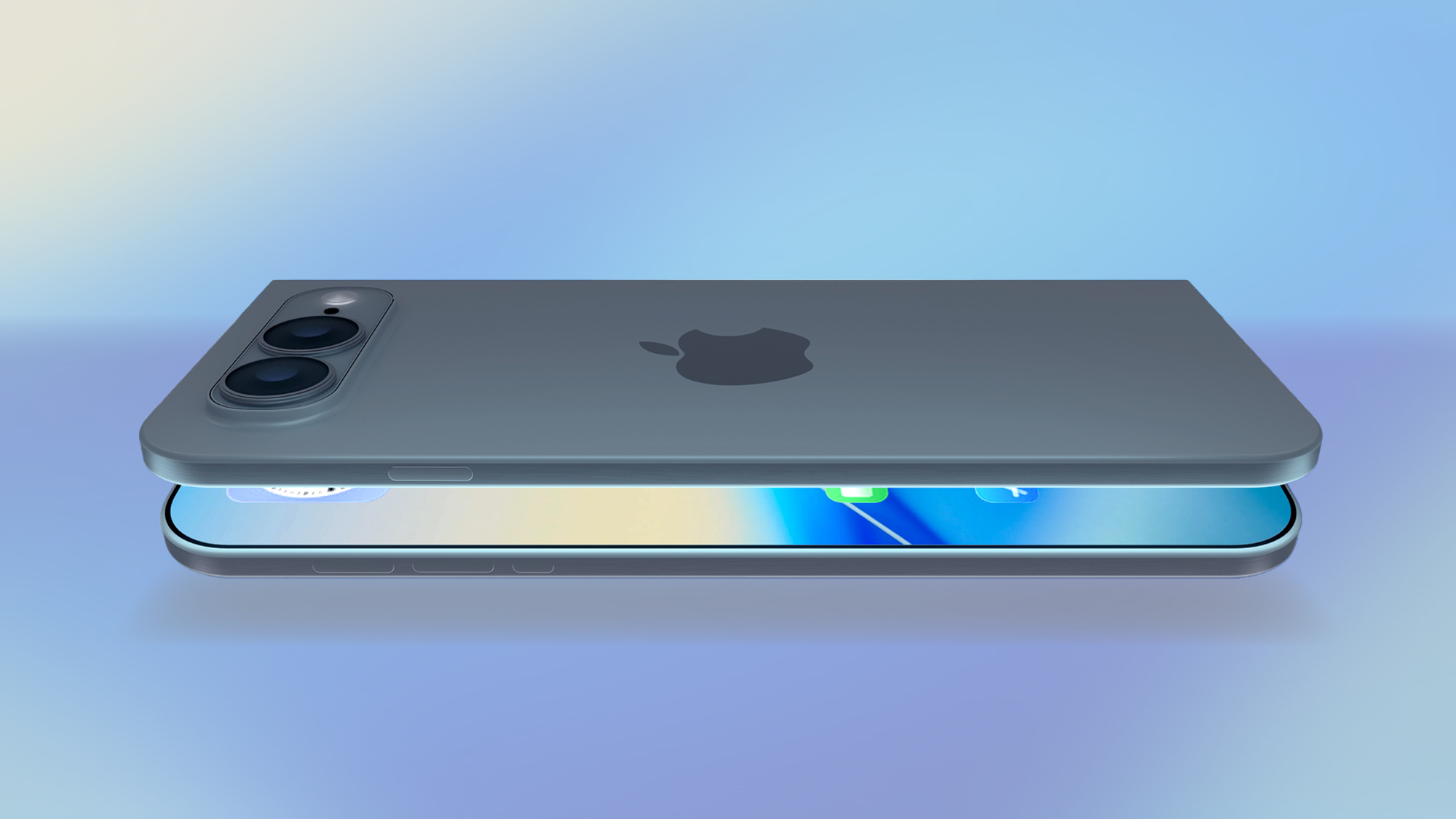
Despite being very late to the foldable phone party, Apple could make a very big splash with the iPhone Fold/iPhone Ultra. The wide design, crease-free display and iPad-like interface could win over early adopters, while the large battery and durability promises could help win over shoppers from the Samsung side of the fence.
I wouldn’t count out Samsung, which reportedly has a widescreen version of the Z Fold 8 in the works, but Apple’s very first foldable phone could wind up being the one to beat.


Follow Tom’s Guide on Google News and add us as a preferred source to get our up-to-date news, analysis, and reviews in your feeds.