Aamir Siddiqui / Android Authority
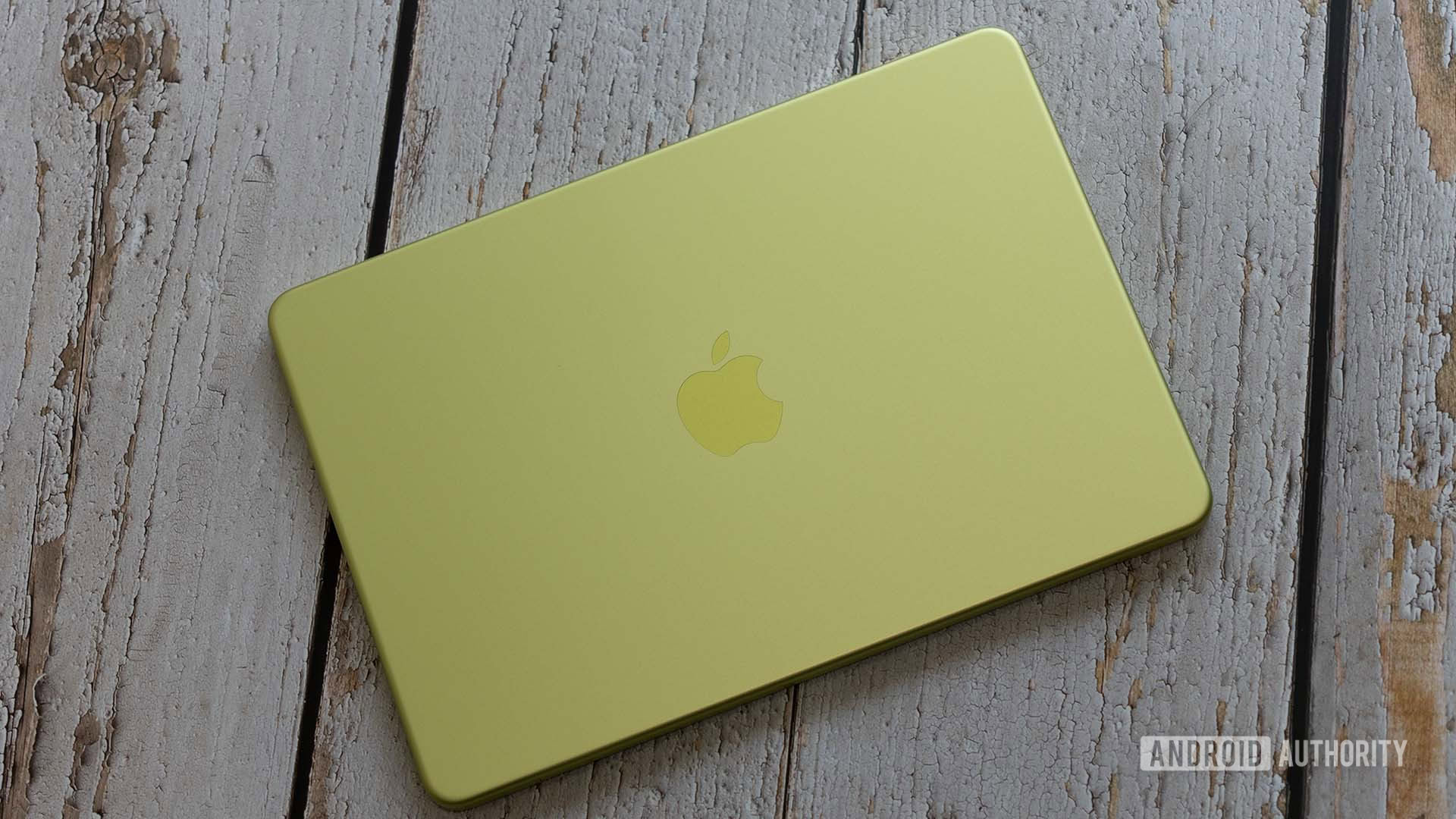
Pixels have always been criticized for being flagship phones that prioritize “experience” over “raw specifications.” I’ve been one of those vocal critics, as the hardware package on most Pixels (especially the A-series) has always been underwhelming for my needs and tastes. But with the arrival of the MacBook Neo, I can’t help but draw parallels between Google’s Pixel lineup and Apple’s laptop strategy. Maybe Google is onto something?
Does “experience” actually matter more than raw specs to you?
0 votes
Experience matters more than specs

Aamir Siddiqui / Android Authority
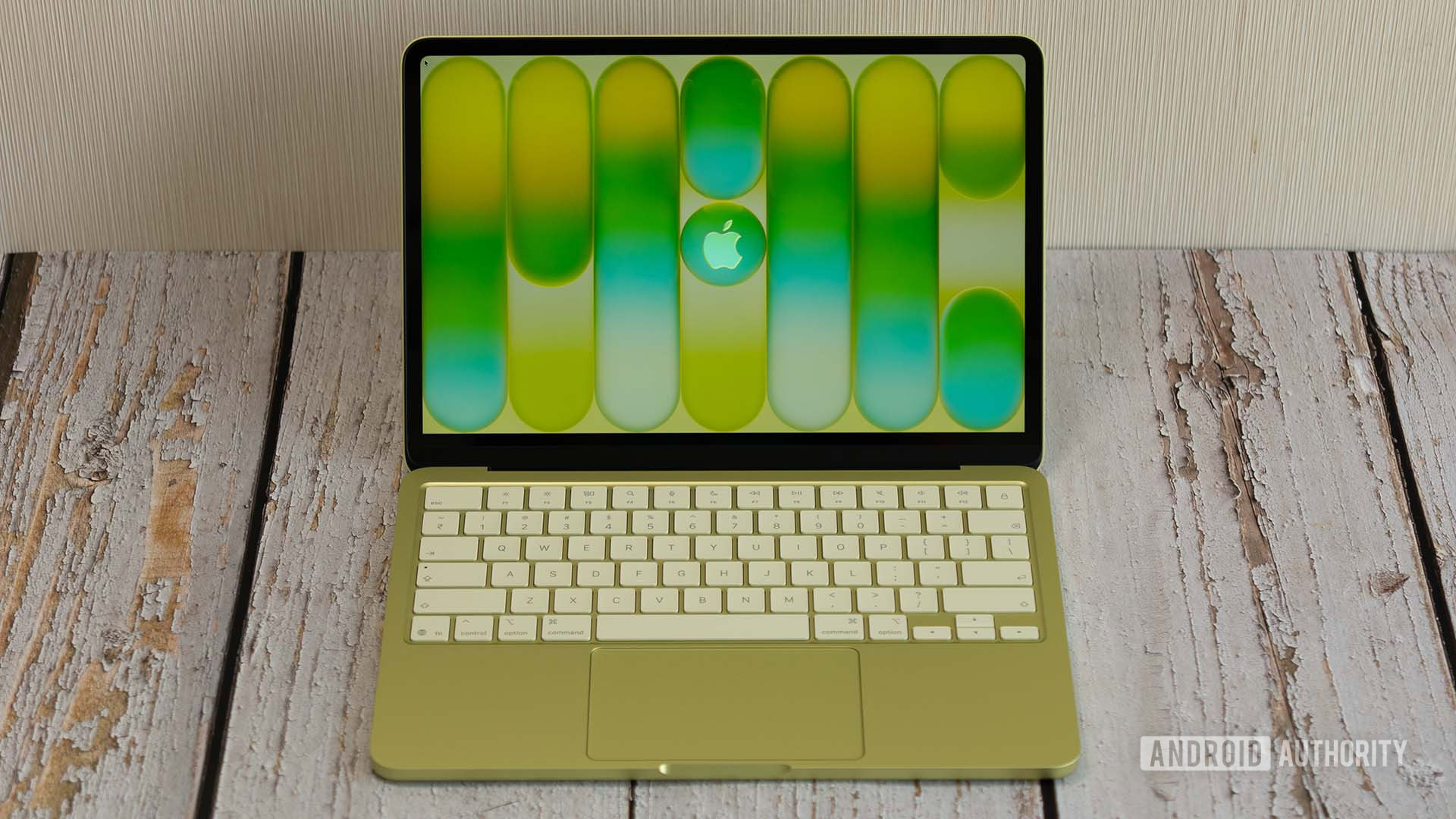
I’ve been using the MacBook Neo as my primary work machine for the past three weeks, and the laptop feels like a masterclass in the “Good Enough” revolution.
At $599, Apple has stopped trying to convince everyone they need a Liquid Retina XDR display or a cooling system capable of rendering a 4K feature film in seconds. Instead, they’ve built a product that feels great to use for the things most people actually do: browsing, writing, and streaming.
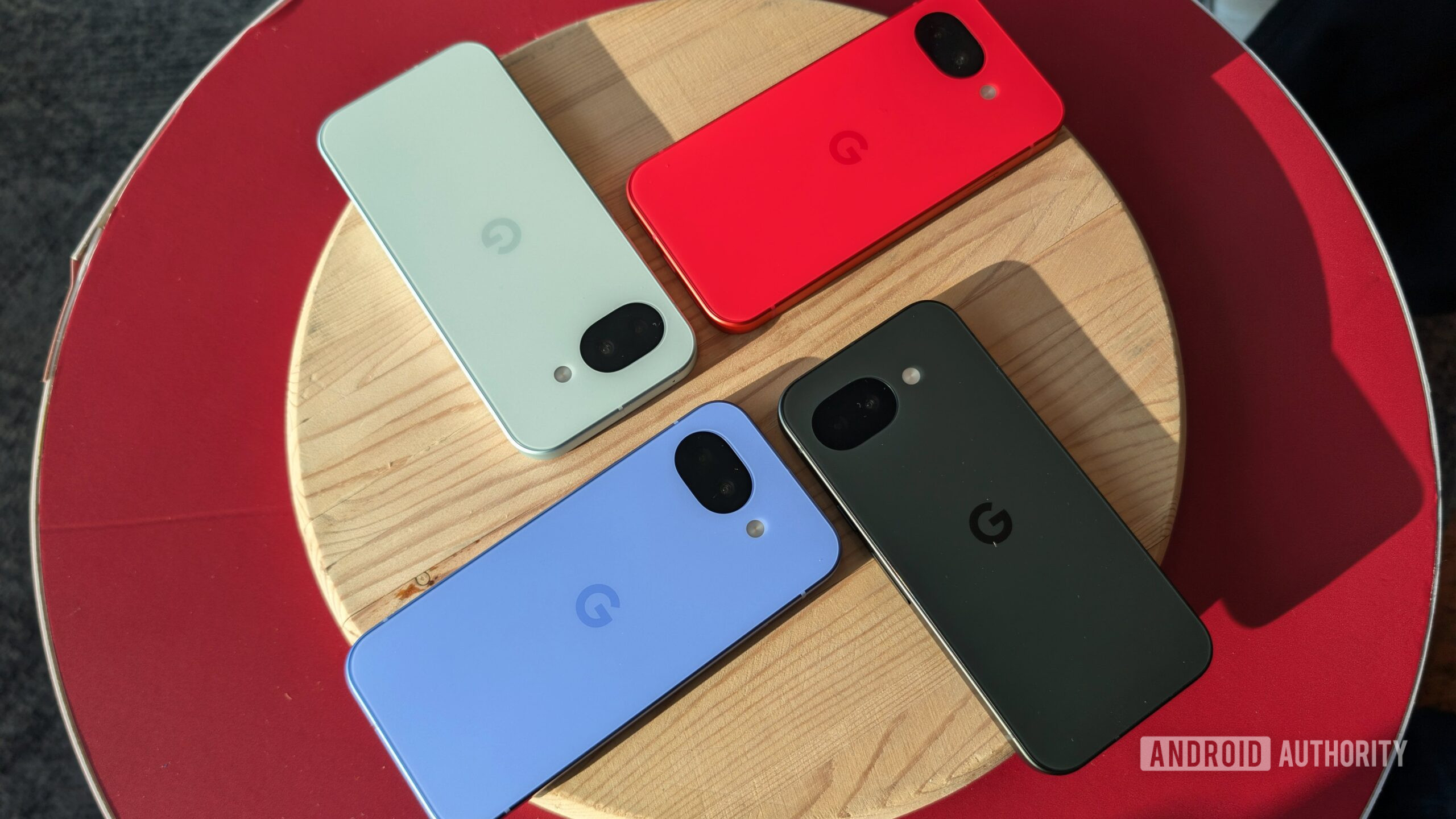
This is exactly where the Pixel 10 and Pixel 10a live. Google realized long ago that if the display is bright and saturated, the haptics are crisp, the software is fluid, and the camera takes a great photo on the first click, users don’t care if the screen has a few extra millimeters of bezel, if the back is plastic, or if there’s one less camera.

Adamya Sharma / Android Authority
Neither the MacBook Neo nor the Google Pixel lineup is perfect. No doubt, a lot of raw specifications can be improved across the board. But both Apple and Google are dancing a delicate dance, trying to balance the needs of their target audiences with the prices they are willing to pay to have those needs served. As a result, both companies give us hardware that proudly accepts its compromises in return for a price tag that doesn’t burn a hole in your pocket.
For those who need more and are willing to pay more, there are better options from both Apple and Google. Apple has the MacBook Air and the MacBook Pro for users who need more raw power and more ports, while Google has the Pixel 10 Pro, Pixel 10 Pro XL, and the Pixel 10 Pro Fold for users who need a bigger, more powerful phone that can do more.
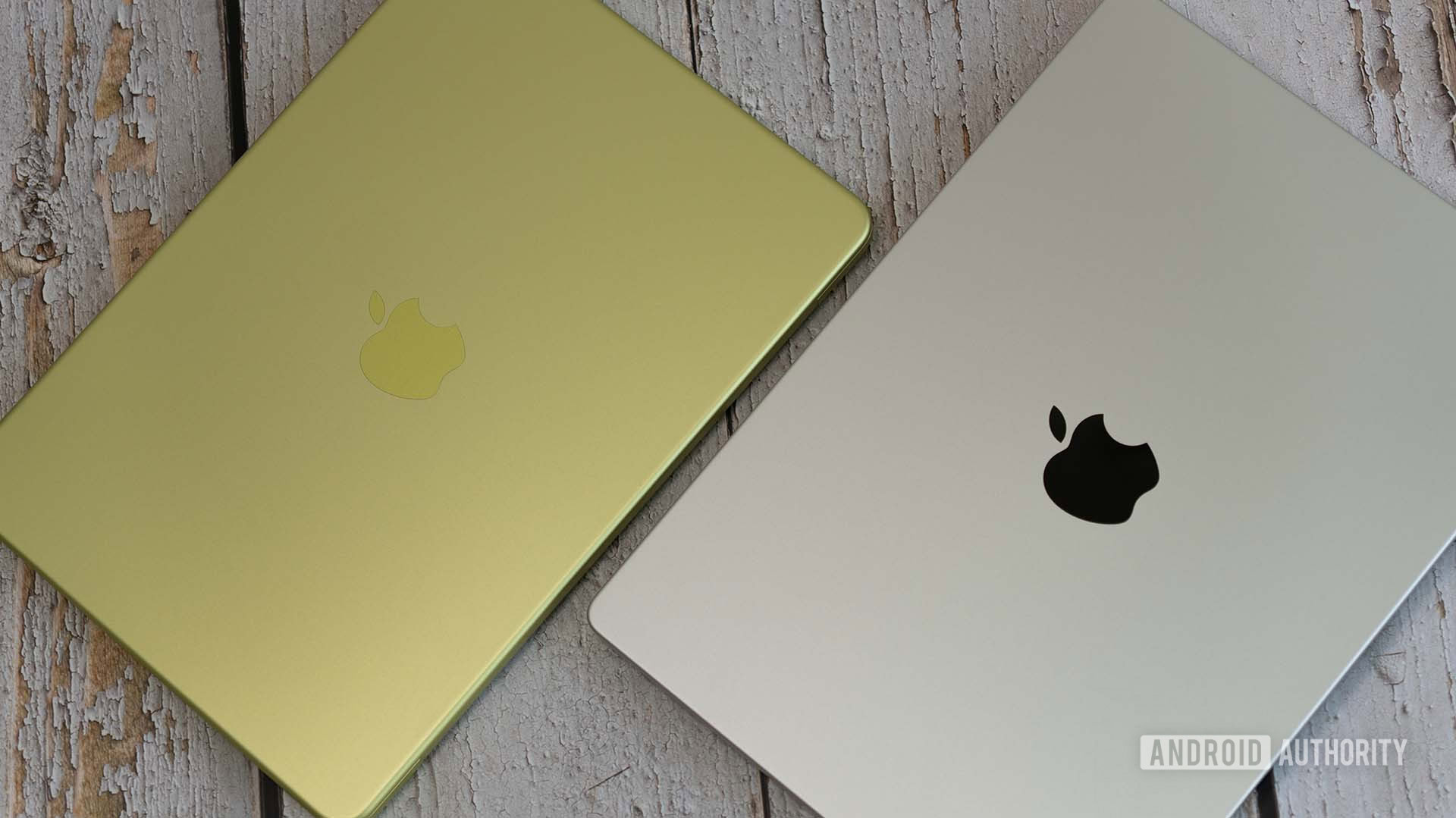
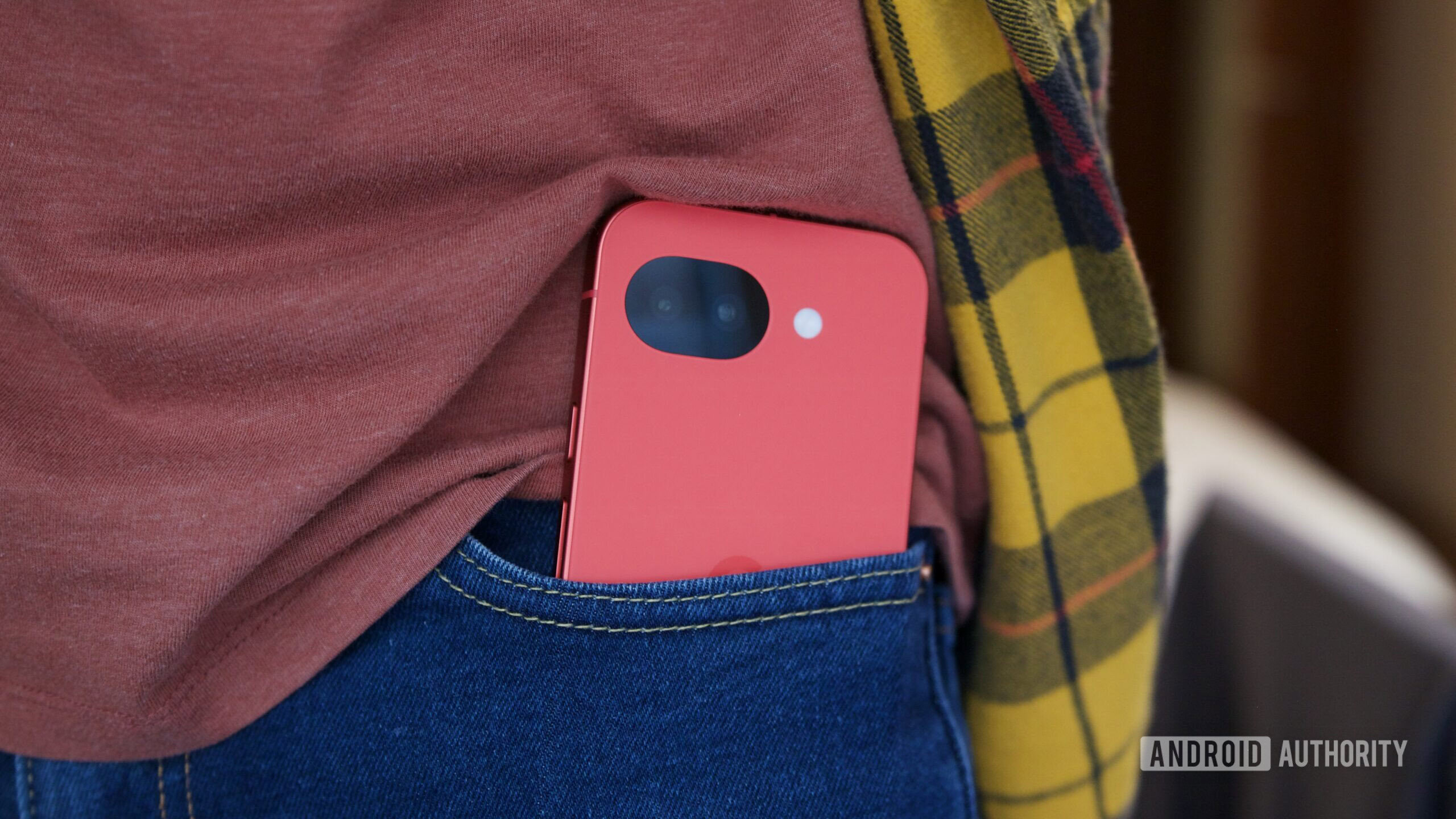
The parallels surprisingly extend to aesthetics as well. Google frequently adopts “fun” colors for the base Pixel and Pixel A-series, while reserving the “serious” and muted tones for the Pro phones. Apple’s doing much of the same with the MacBook Neo and MacBook Pro, and it’s a clear signal for who these devices are primarily for. These fun phones and laptops are lifestyle accessories for students and casual users who care more about how a device fits their personality than its thermal throttling limits.
The chipset ties it all together
Robert Triggs / Android Authority
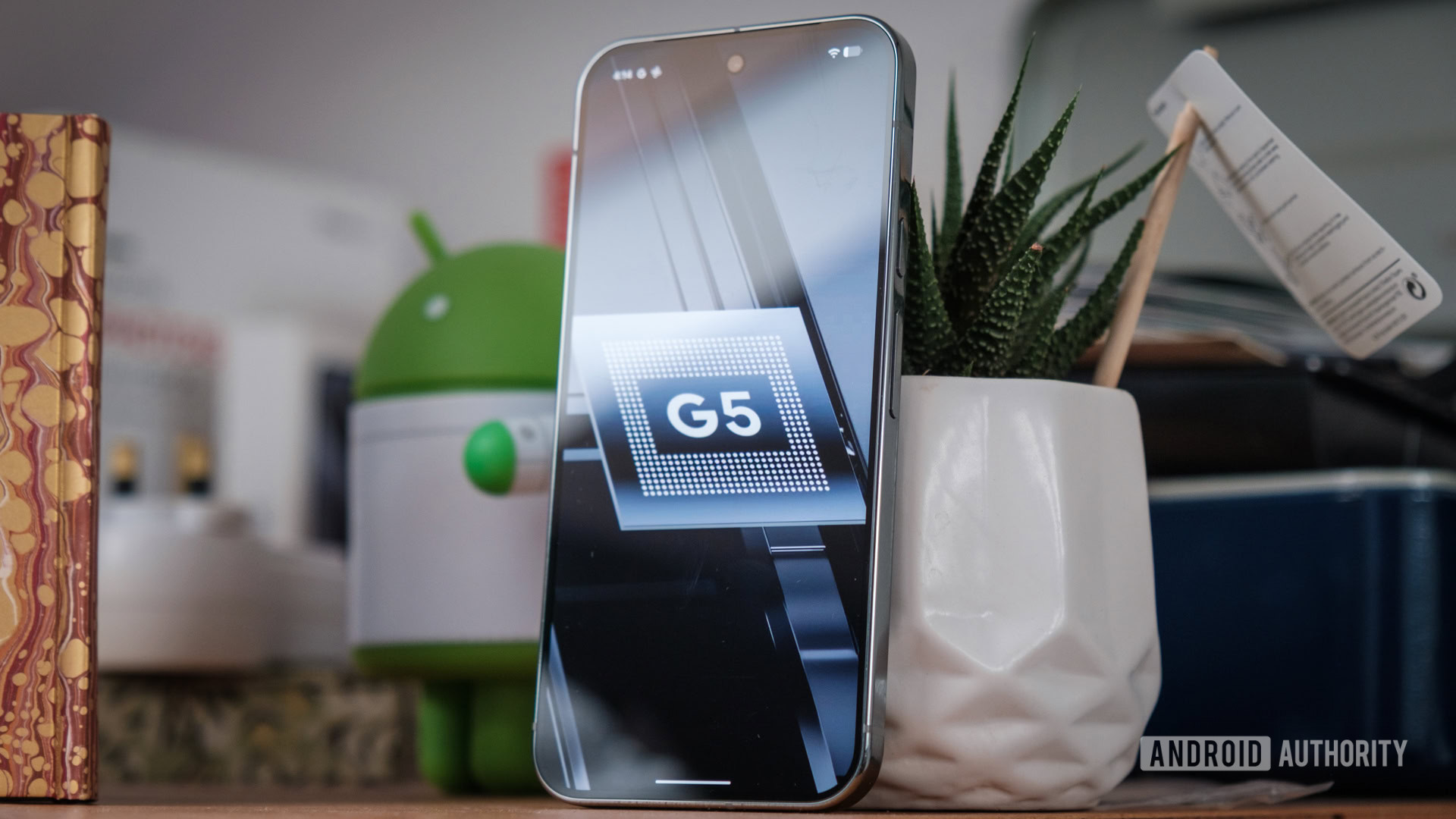
While the Google Pixel lineup uses Google’s flagship Tensor SoC, it’s inarguably not the best SoC out there. We’ve seen the likes of Qualcomm, MediaTek, and Samsung deliver better raw performance on flagships over the years, to the point where anyone who cares about numbers on a graph is unlikely to advocate for a Pixel.
But most users don’t care about numbers on a graph — for them, the Pixel gets the job done and goes back into their pocket. It’s a great phone for texting your friends, for the occasional phone call, for the group selfie and the food photos.
Google’s argument has always been that Tensor is ‘powerful enough’ to deliver the specific experiences they want.
Google’s argument has always been that Tensor is “powerful enough” to deliver the specific experiences they want. We’ve seen Google’s vertical integration at play with meaningful experiences like Call Assist, Call Screen, Hold for Me, Scam Detection, and more — all of which are genuinely useful features that make your life easier.
The MacBook Neo takes a surprisingly similar approach. It uses Apple’s ex-flagship iPhone SoC, the Apple A18 Pro from the iPhone 16 Pro. Apple has better SoCs in newer iPhones, and the M-series SoCs in the MacBook Air and MacBook Pro are in a league of their own. But the performance headroom of this A18 Pro mobile SoC is so good that Apple could build a full-fledged macOS laptop experience around it without it feeling like a cheap cop-out.

Aamir Siddiqui / Android Authority
Apple hasn’t built any MacBook Neo-specific features into macOS, but it doesn’t even have to. The entire USP of the MacBook Neo is that it can run the unadulterated macOS experience, one that doesn’t discriminate between an A-series iPhone SoC and an M-series SoC. You get all the Apple ecosystem features like AirDrop, Handoff, Universal Control, and more.
Compared to Windows, macOS also gets out of your way enough for you to forget about the OS and focus on the task at hand — you’re not wrestling with a forced update-reboot or a blue-screen-of-death in the middle of work or school — and that’s exactly what people want from products that are tools at the end of the day.
A stepping stone into the larger ecosystem

Joe Maring / Android Authority
Of course, neither the Pixel 10 and 10a nor the MacBook Neo exists in a vacuum. These are gateway drugs into larger service ecosystems.
Both devices use strategic limitations — most notably in storage — to pull users deeper into their respective service webs. A 128GB MacBook Neo or Pixel 10a is a push toward the cloud. When you buy these “entry-premium” devices, you aren’t just buying hardware; you’re being nudged towards a conveniently adjacent Google One or iCloud subscription.
The goal isn’t just to sell you a laptop or a phone; it’s to sell you a habit.
While you’re at it, how about an Apple Music or a YouTube Premium subscription? And if you’ve already pulled the trigger on a few of these subscriptions, an umbrella bundle like Apple One and Google AI Pro just makes more sense, right?
Don’t want to miss the best from Android Authority?


With a $500-$600 price tag, the goal isn’t just to sell you a laptop or a phone; it’s to sell you a habit. Once you’re comfortable with macOS or Android/Pixel UI at a lower price entry, the “switching cost” becomes too high to leave. The Neo is Apple’s way of ensuring that the next generation of students becomes lifelong iCloud customers, just as the Pixel 10a ensures Google remains the center of a user’s digital life even if they can’t spend on a Pro.
Google was right all along
Joe Maring / Android Authority
We’ve long reached the point of “peak spec” for most tasks for most users. Barring the push towards AI — which is very directionless as everyone is experimenting to see what sticks — most users don’t need more raw power. Instead, they need better value and a more cohesive experience.
The MacBook Neo proves that Google didn’t retreat from the spec race without reason — they just saw the horizon before anyone else.
The MacBook Neo proves that Google didn’t retreat from the spec race without reason — they just saw the horizon before others, and it’s not in the direction where everyone else was racing towards. Apple’s decision to finally launch a “budget” MacBook that prioritizes efficiency and experience over raw horsepower is the ultimate validation of Google’s Pixel strategy.
Thank you for being part of our community. Read our Comment Policy before posting.