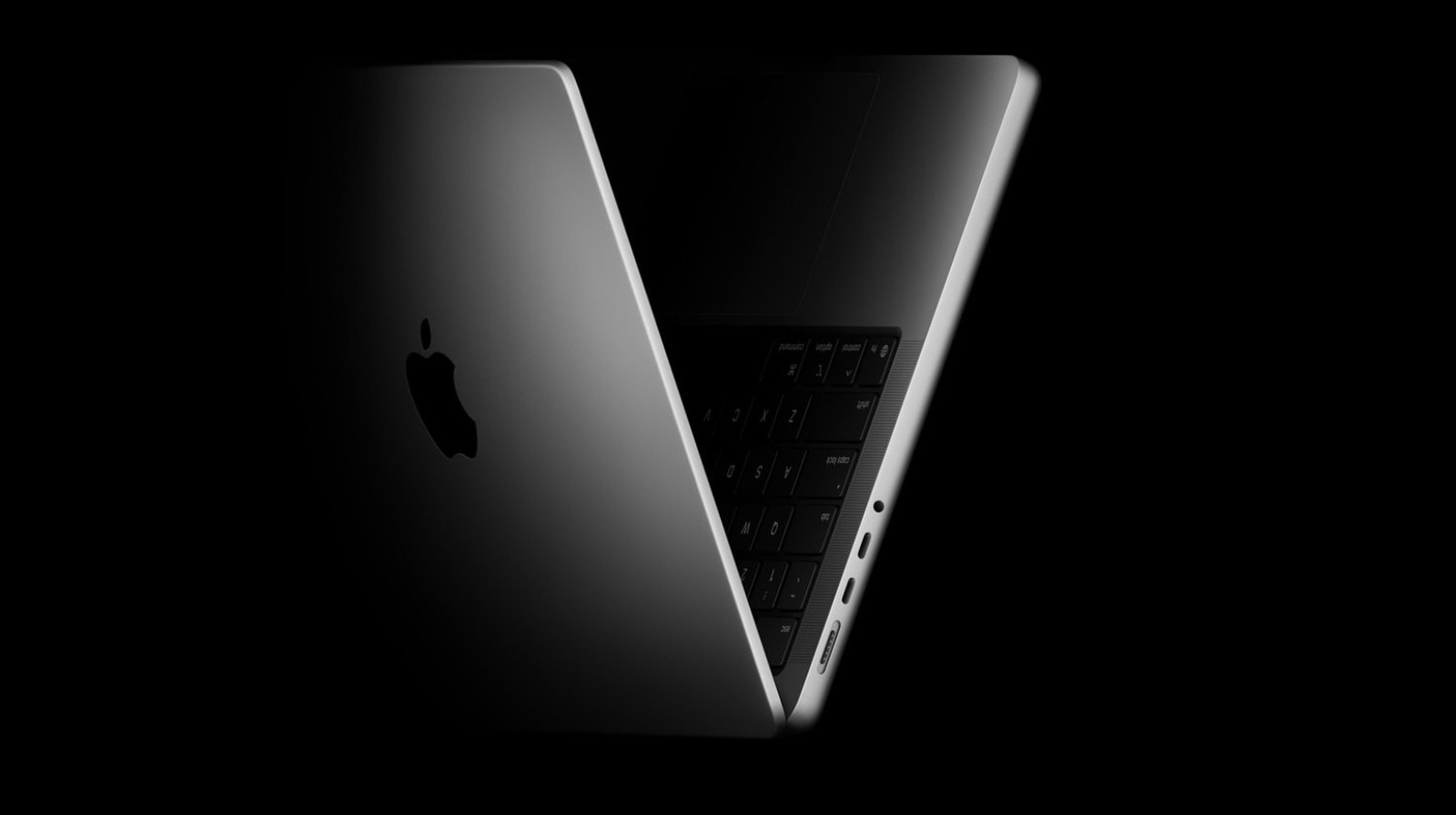
Around every four to five years, Apple redesigns the MacBook Pro. At least, this is how it has been for the past 14 years. In 2012, the company introduced a Retina Display MacBook. In 2016, it unveiled the controversial MacBook with the infamous butterfly keyboard, only USB-C ports, and a Touch Bar. Then, in 2021, Apple finally released the all-new MacBook Pro with a display notch, more ports, and the M1 Pro chip. 2026 marks the 20th anniversary of the MacBook Pro, and while Apple usually only celebrates iPhones’ landmarks, the timing could be perfect for a redesign of the MacBook Pro.
Over the past few years, we’ve heard several rumors about the new and updated Mac. But what started as an OLED display upgrade has possibly become a completely new paradigm for Apple’s computers, as the company has been unifying its operating systems with similar nomenclature, the same Liquid Glass design, and common features — all while the once very noticeable line between macOS and iPad OS is getting blurry. Here’s what we know so far about Apple’s plan to redesign the MacBook Pro.
An OLED display and processor improvements are some of the main changes
While it’s unclear if Apple will move away from the industrial design introduced with the 2021 MacBook Pro, one of the main changes expected is an OLED display. As explained by display analyst Ross Young, Apple is expected to use the eighth generation of the OLED panel — an improvement over the M4 iPad Pro’s display, which uses a sixth-generation OLED screen. With this display change, Bloomberg reports that Apple might add a hole-punch design for the camera, making it similar to the Dynamic Island on the iPhone — finally ditching the notch. Apple may also add a touch-capable display, further blurring the lines between the iPad and the Mac.
These display rumors perfectly align with another Bloomberg report that says Apple wants to make thinner products, which could mean this MacBook Pro may be lighter and thinner than current models. Another important change is the upcoming M6 chip series. While Apple has yet to unveil the more powerful processors of the M5 family, the new generation of MacBooks will most likely get the newer generation of chips. With the company expected to use a 2nm manufacturing process for the M6 family, Apple will be able to make even smaller chips that are more powerful and power-efficient.
There’s even more that could be coming to the new MacBook


If a touchscreen display looks like a huge departure from the MacBook Pro we are used to, Macworld reported in 2025 that Apple plans on making a 5G-capable MacBook Pro. According to the publication, macOS’ internal code references a Centauri chip, which is the codename for the company’s C1 chip. As Apple now makes its own connectivity modems with proprietary 5G, Wi-Fi, and Bluetooth chips, it’s only natural that if the company plans to make a cellular MacBook, it will use an in-house chip. As of now, the M5 MacBook Pro features the N1 modem for Wi-Fi and Bluetooth connectivity. A new C2 modem is expected to debut with the iPhone 18 models later this year.
That said, the only thing that is still unclear is whether Apple will release the redesigned MacBook Pro with an OLED display in late 2026 or early 2027. Since the company hasn’t unveiled the M5 Pro/Max models, it’s hard to tell if it will release two high-end MacBook Pro models in the same year, or if it will postpone this launch to early next year. As always, we will let you know once Apple is ready to introduce new Mac products, including this long-awaited redesign.