




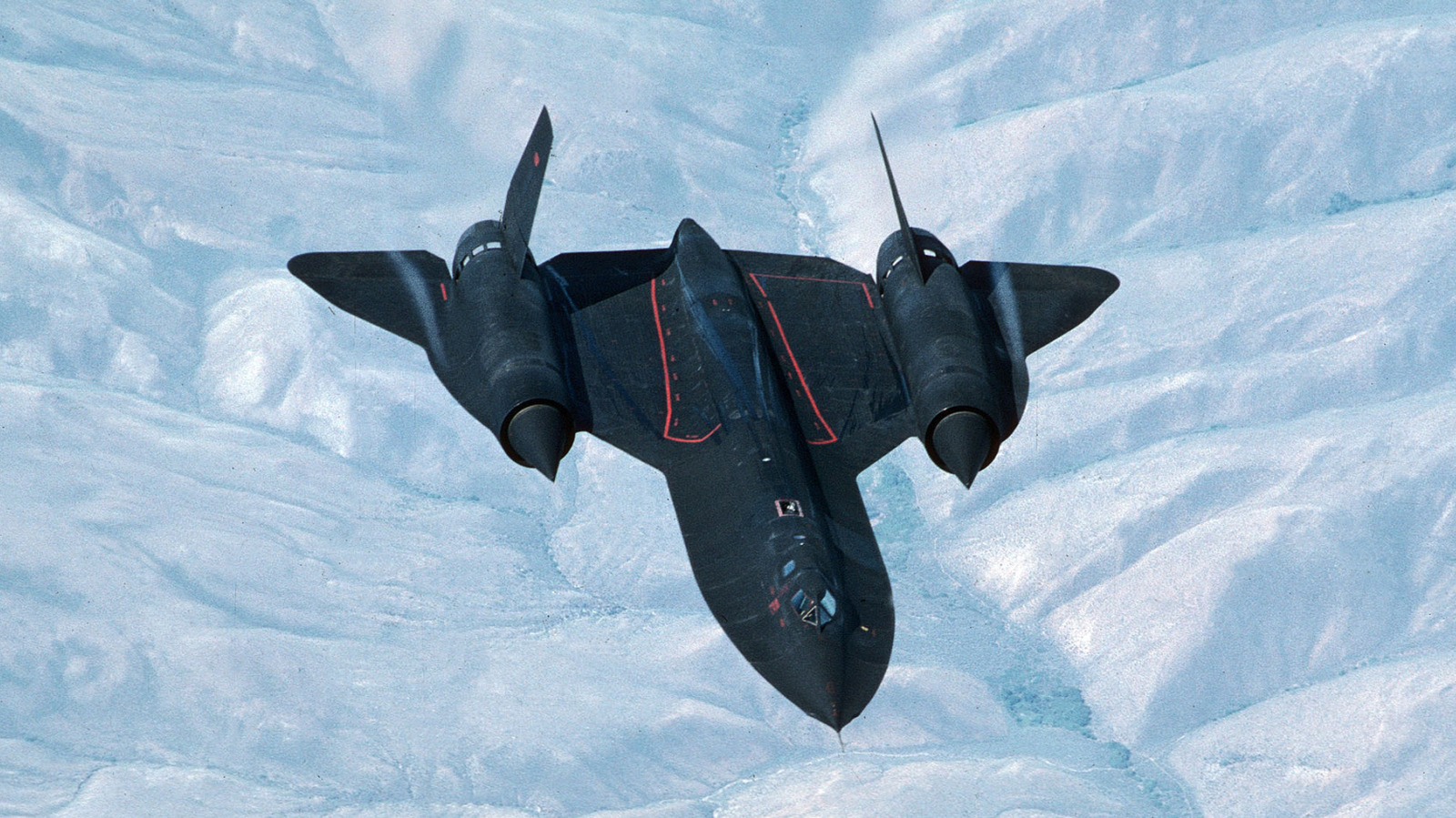
More than 60 years after it graced the skies for the first time, Lockheed’s SR-71 Blackbird remains the fastest manned plane ever developed. With the ability to hit a maximum speed of 2,193 miles per hour — about the equivalent of Mach 3.3 — the SR-71 was an unabashed speed demon designed to take surveillance photos at high altitude over enemy territory. With unrivaled speed, along with the ability to climb up to 85,000 feet, the SR-71 had no problem outflying or outmaneuvering 1970s-era surface-to-air-missiles. To give you an idea of just how fast the Blackbird was, its top speed of 2,193 mph is the equivalent of traveling 1.2 miles every two seconds.
For some additional context, consider that most commercial planes, including the somewhat problematic Boeing 737 Max, fly at speeds between 520 and 560 mph. The Boeing 737-700, which is a popular model used by Southwest Airlines and others, has a typical cruising speed of 528 miles per hour. Put differently, the SR-71 Blackbird jet is a whopping 4.1 times faster than the Boeing 737-700.
Even if we look at commercial planes outside of Boeing, the SR-71’s speed is impossible to match. The Airbus A380, for example, has a top speed of 634 mph. And while that’s close to approaching the speed of sound, it still pales in comparison to the Blackbird’s capabilities. Even with supersonic commercial flights set to return, the expected cruising speed of Mach 1.7 seems slow when stacked up against the SR-71.
Why commercial planes are slower than the SR-71

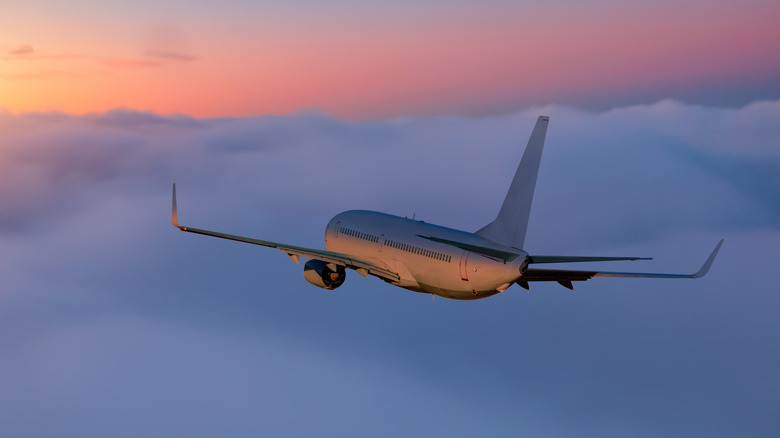
Commercial airliners are not designed for pure speed. Rather, they’re designed to transport large numbers of people with a focus on safety, reliability, and comfort. If a commercial plane approached the speed of sound, passengers would likey experience increased vibration, turbulence, and buffeting. Arguably, most passengers would rather sit comfortably in a plane at 550 mph, than endure an uncomfortable flying experience in a plane that can crack 1,000 mph.
What’s more, because incredibly fast planes require more fuel, tickets for a commercial flight with a focus on speed would likely be more expensive. Not only that, flying as fast as the SR-71 Blackbird adds more stress to the aircraft, which would drive maintenance costs up. Ultimately, the current cruising speed of commercial airliners represents the optimal balance of speed, cost efficiency, and comfort. And that most flights offer Wi-Fi and in-flight entertainment options, it might be hard to argue that going faster is always better.


