Take-Two Interactive has millions of gamers eagerly anticipating the launch of arguably the biggest game of the year, Grand Theft Auto VI. While the video game publisher has a long line of equally major IPs under its belt (NBA 2K, WWE 2K, and Borderlands, among them), the massive open-world experience known as GTA stands above them all.
And according to Take-Two CEO Strauss Zelnick, the notion that generative AI will be able to produce games on the level of GTA is simply “laughable.”
Creating assets but not hits
Watch On
During an extensive sit-down interview with The Game Business Show, Zelnick discussed several topics related to the use of AI in video game development.
Article continues below
The unveiling of Google Labs’ Project Genie tool, which has the power to generate interactive worlds simply by inputting text and image prompts, resulted in major AAA gaming companies like Take-Two’s stock prices dipping—it’s clear that video game investors feared that anyone would be able to make AAA games thanks to AI and begin putting them out at a faster rate compared to major development studios.
Zelnick made it clear that he’s not worried whatsoever about Project Genie or any other generative AI tools that promise to generate virtual worlds in mere minutes. “These tools may help you create assets, but that won’t help you create hits,” he stated. “There are loads of assets out there now. It doesn’t matter if you push a button to create an asset, or it takes you six weeks, at the end of the day, you have an asset. And thousands of mobile games are launched every year, and there are only a handful of hits.”
Zelnick also pointed out that AI can assist developers in their creation of standout gaming experiences, but the ever-evolving technology doesn’t have the power to produce anything on the level of interactive entertainment that humans make. “The notion that somehow new tools would allow an individual to push a button and generate a hit and bring it to many millions of consumers around the world, it’s a laughable notion,” Zelnick pointed out. “It’s just never been the case with entertainment.”
When presented with the idea that Project Genie could increase your everyday AI prompt writer’s capacity to create something on par with Rockstar Studios’ open-world epics, Zelnick recognized that AI could create assets “that might look like NBA 2K or EA Sports FC.” But at the end of the day, he believes that the development of mega franchises like those three “require human engagement [and] human creativity.”
DLSS 5 backlash

Watch On
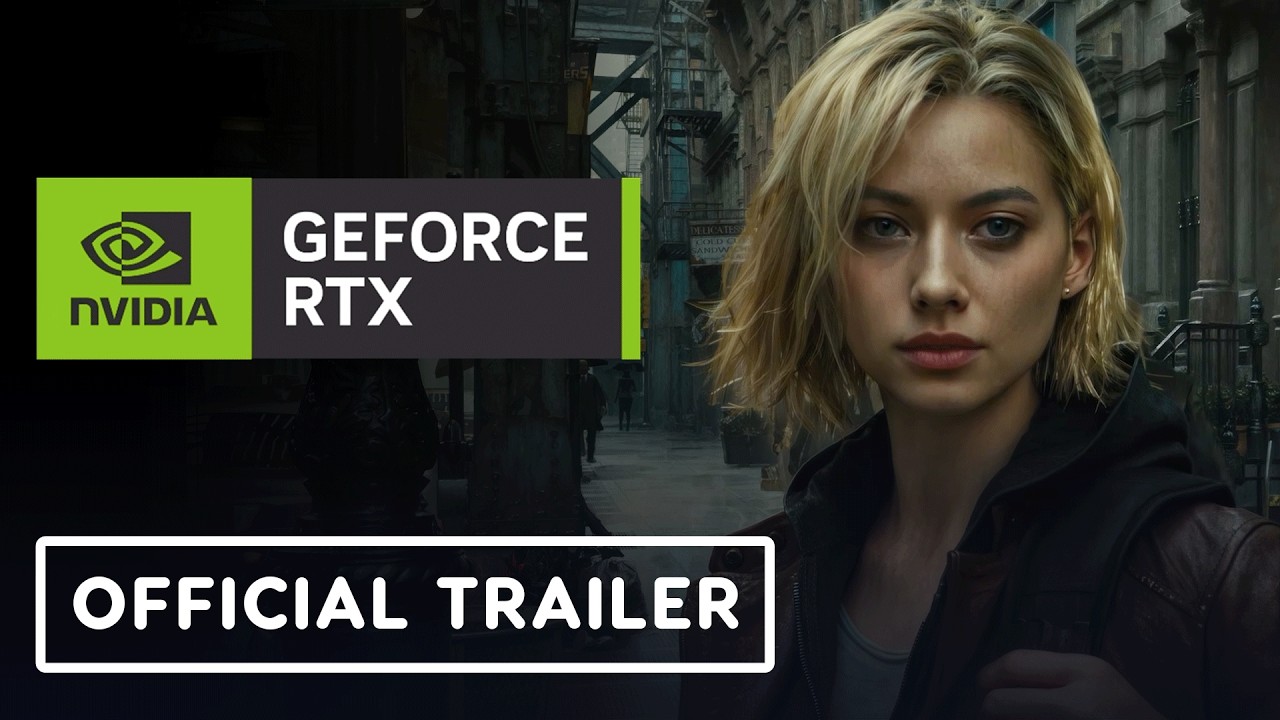
Speaking of AI’s continued involvement in the video game industry, Nvidia isn’t getting the most positive feedback for its introduction of AI software that’s meant to improve the visual fidelity of characters and environments. During a Q&A session with Nvidia CEO Jensen Huang at this year’s GTC conference, Huang downplayed the criticisms of gamers who weren’t too thrilled with the way DLSS 5 alters the visual fidelity of their favorite games.
When asked about the negative comments from gamers online, by Tom’s Hardware editor-in-chief Paul Alcorn, Huang had this to say: “Well, first of all, they’re completely wrong. The reason for that is because, as I have explained very carefully, DLSS 5 fuses controllability of the geometry and textures and everything about the game with generative AI.”
AI in video games: Outlook
Zelnick is stern in his belief that human involvement in game creation is far more valuable than generative AI, and the majority of gamers believe that to be true. While major gaming companies such as Ubisoft, Electronic Arts, and Square Enix are implementing AI into their video game development workflow, human creativity and technical know-how are still greatly emphasized in the creation of their AAA projects.
Zelnick’s statements point to Take-Two still placing importance on experienced human developers having what it takes to craft major hits like GTA and not the latest model of generative AI software.


Follow Tom’s Guide on Google News and add us as a preferred source to get our up-to-date news, analysis, and reviews in your feeds.
More from Tom’s Guide


Back to MacBook