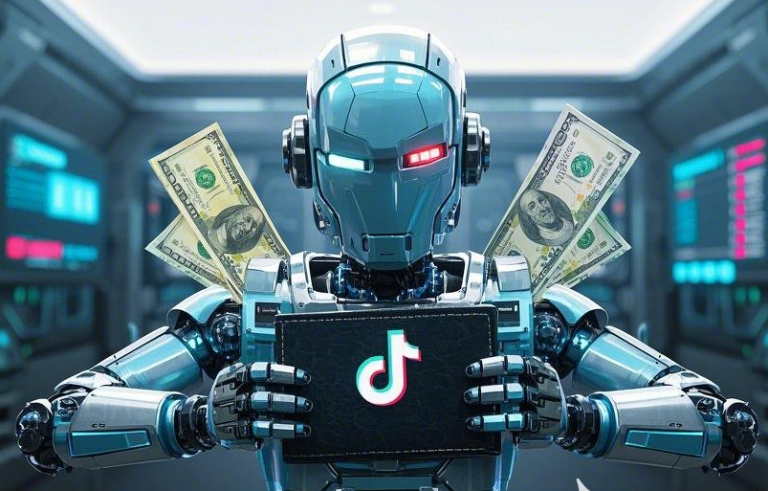
TikTok’s parent company ByteDance Ltd. has revealed plans to jack up its already heavy spending on artificial intelligence infrastructure next year as it races to catch up with U.S. technology giants, according to a report in the Financial Times.
Tuesday’s report, which cites two people familiar with the company’s plans, said it’s expected to increase its capital expenditures to 160 billion yuan (around $23.1 billion) in fiscal 2026, up from approximately 150 billion yuan it spent on AI infrastructure this year. More than half of the proposed amount would be spent on acquiring advanced semiconductors that will be used for training AI models and running AI applications in production, the people said.
ByteDance is best known as the company behind the immensely popular TikTok app and its Chinese counterpart Douyin, but its business expands well beyond video sharing. In China, it also develops a popular news aggregator called Toutiao, a video editing application called CapCut and a lifestyle-focused social media platform known as Lemon8.
The company has integrated AI features into all of its main applications and also offers a standalone chat application called Duobao, which is similar to ChatGPT and has more than 100 million users in its home country. In addition, it’s the creator of a widely used text-to-video generator app called Jimeng, an AI image generator called Xinghui and an emotional support app called Maoxing.
Given its interest in AI, it’s not surprising that ByteDance has emerged as one of China’s biggest spenders on AI infrastructure, though the $23 billion figure is still a lot less than many of America’s biggest technology firms, which have collectively spent more than $300 billion on data center buildouts this year.
The Financial Times said ByteDance has set aside around 85 billion yuan for AI processors in 2026, although that number could change as there’s still a lot of uncertainty over its ability to access high-end graphics processing units from Nvidia Corp. While U.S. President Donald Trump recently said he has eased export controls on Nvidia’s previous generation H200 GPUs, China’s government has not yet allowed any Chinese companies to buy them, as it also wants to protect its own, nascent chipmaking industry.
However, Nvidia has reportedly told some Chinese companies that it’s hopeful it will be able to ship its first batch of H200 chips to them by February 2026 at the latest. It’s also hoping to gear up production of the H200s to ensure it can meet the expected demand from China’s leading AI developers.
The Financial Times said ByteDance may even increase the amount it spends on AI processors if the restrictions on Nvidia’s chips are eased. As a backup plan, the company is also expected to step up its leasing of overseas data centers in order to access more advanced AI chips.
Image: News/Dreamina
Support our mission to keep content open and free by engaging with theCUBE community. Join theCUBE’s Alumni Trust Network, where technology leaders connect, share intelligence and create opportunities.
- 15M+ viewers of theCUBE videos, powering conversations across AI, cloud, cybersecurity and more
- 11.4k+ theCUBE alumni — Connect with more than 11,400 tech and business leaders shaping the future through a unique trusted-based network.
About News Media
Founded by tech visionaries John Furrier and Dave Vellante, News Media has built a dynamic ecosystem of industry-leading digital media brands that reach 15+ million elite tech professionals. Our new proprietary theCUBE AI Video Cloud is breaking ground in audience interaction, leveraging theCUBEai.com neural network to help technology companies make data-driven decisions and stay at the forefront of industry conversations.