Robert Triggs / Android Authority
I don’t know about you, but I miss the days of a burgeoning and diverse smartphone market — not the hegemony of copy-paste phones we see today. News that ASUS hit pause on smartphone development, quite possibly for good, has perhaps just ruined our chance at seeing another novel and brilliant compact smartphone. It’s genuinely disappointing.
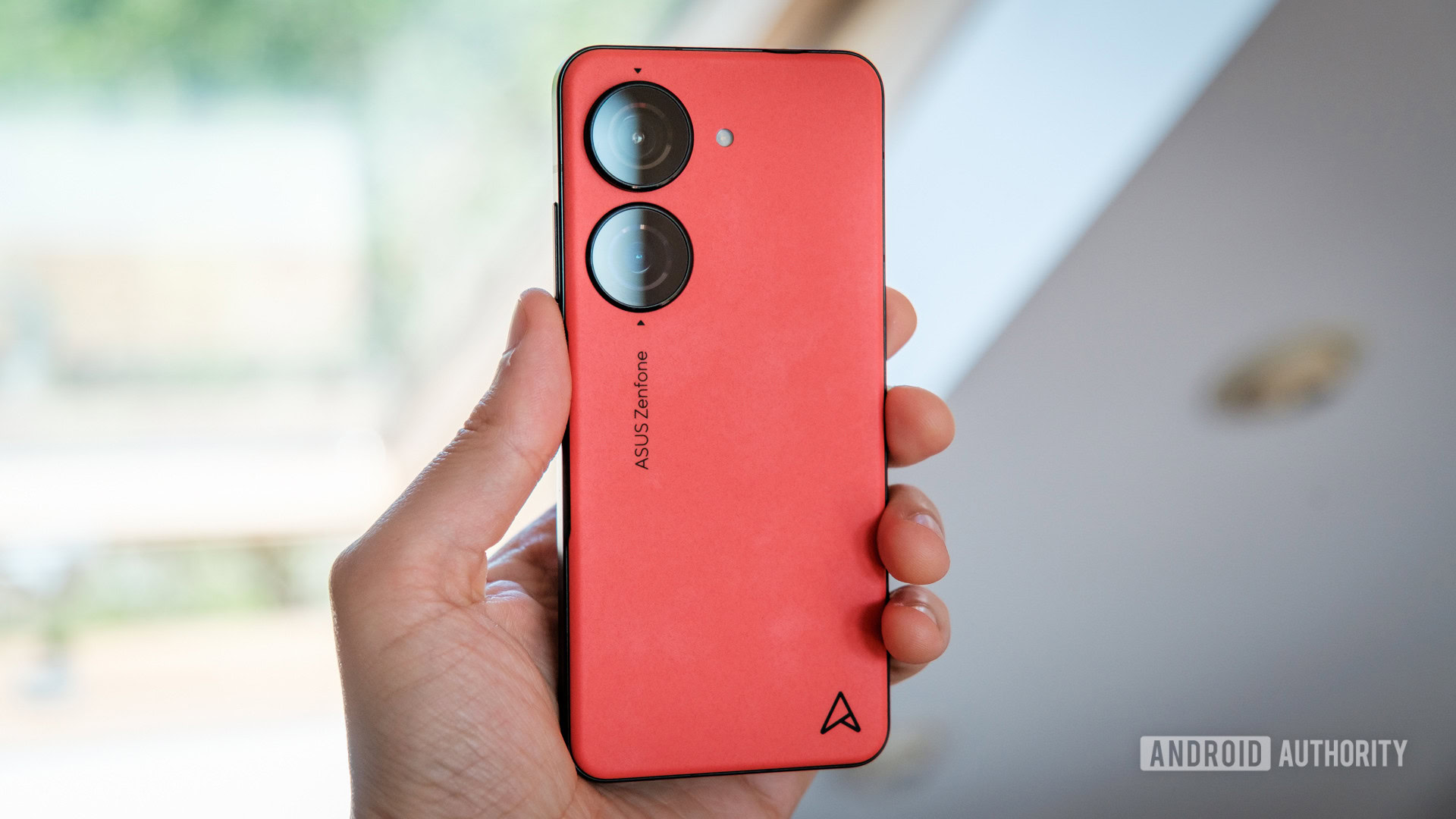
Ever since the colorful little ASUS Zenfone 10 launched back in mid-2023, fans (myself included) have wondered if we’ll ever see another compact phone of this quality. 2024 slunk by with little more than a teaser of future possibilities. Instead, ASUS banked hard on the gargantuan Zenfone 11 Ultra. 2025 passed with virtual silence, and now it seems that any residual hope has been snuffed out.
Will we ever see a compact smartphone worth buying ever again?
18 votes
ASUS finally nailed the compact formula

Robert Triggs / Android Authority
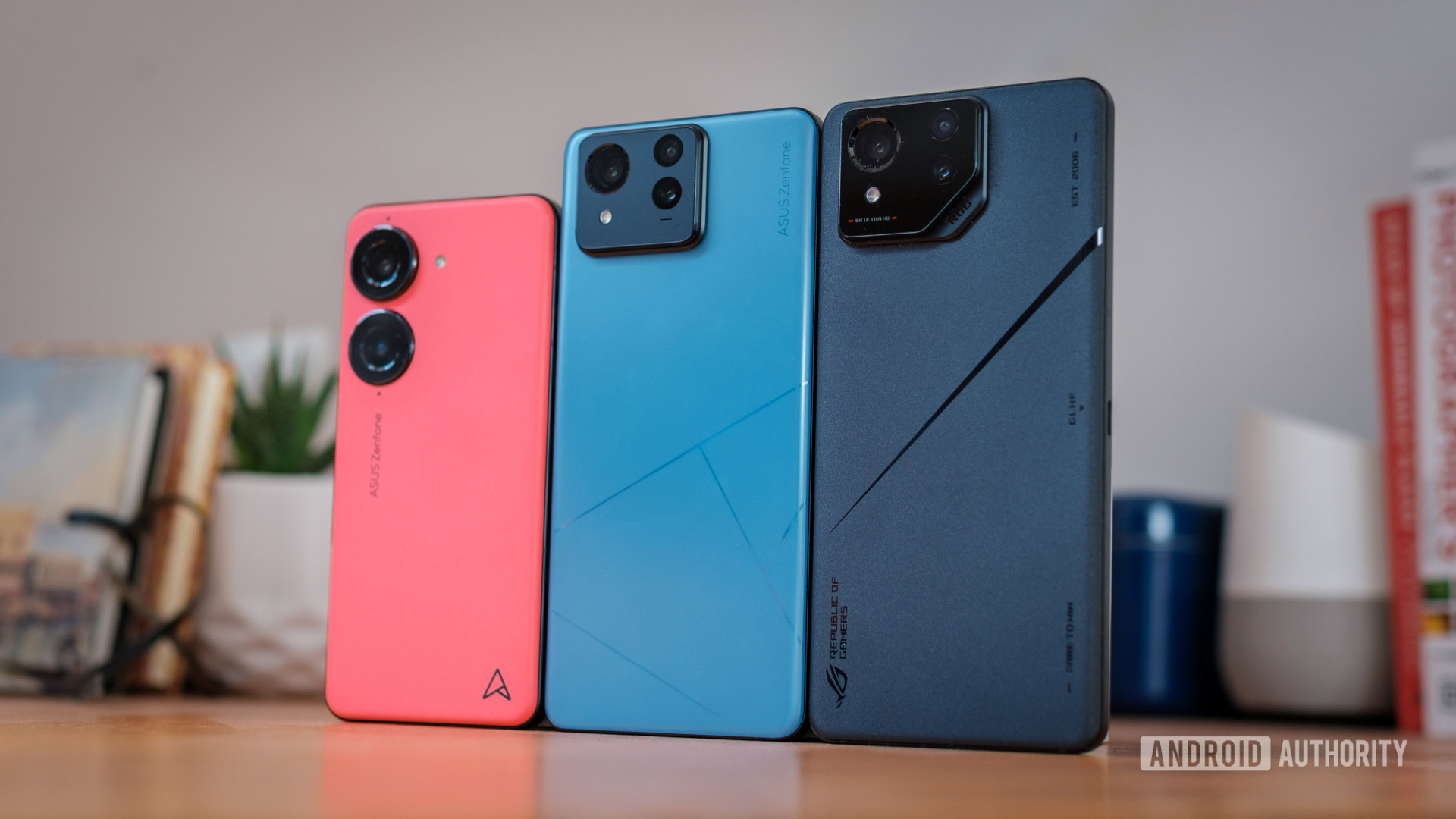
At 5.92 inches across, the Zenfone 9 and 10 weren’t a lot smaller than Samsung’s smallest Galaxy S entry or Apple’s baseline iPhone model. However, it’s the little things that ASUS packed into the series that help it make the most of its small stature and, in this reviewer’s opinion, helped set it apart from the competition. The Zenfone 10, in particular, really wrestled with the small form factor compromises and came out on top.
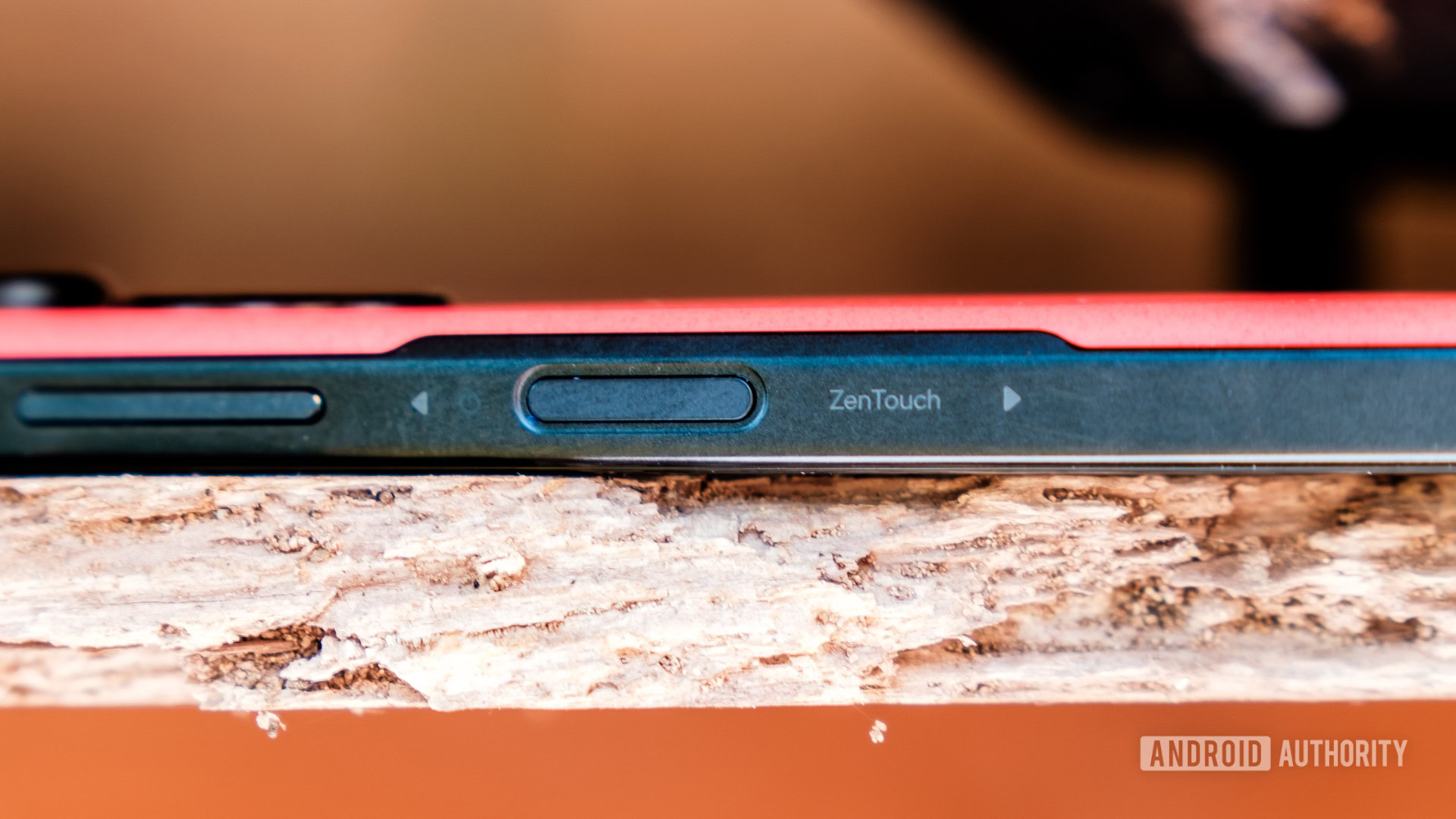
The magic was customization: ZenTouch smart key, Double Tap on the back, and a selection of gestures made accessing your favorite features effortless. Rather than shying away from its small stature, ASUS encouraged you to get hands-on with it, and what the phone lacked in screen real estate, it made up for in useful tools you’d rarely find on rival handsets. Spend a little time with the phone, and you could easily make it feel like your shortcut-infused, micro-powerhouse.
Powerful, colorful, and feature-packed, the Zenfone 10 was one of a kind.
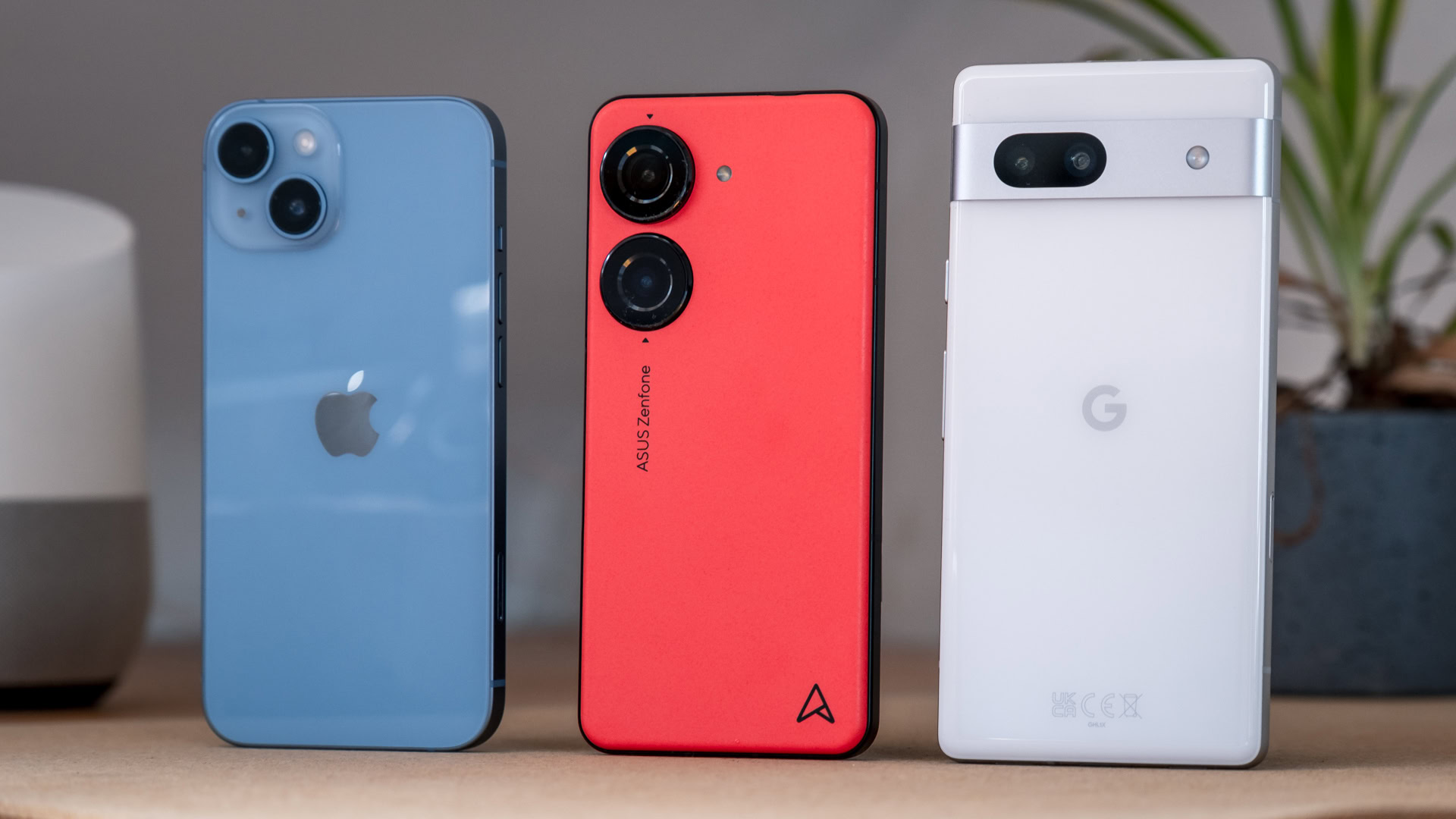
The colorful grippy back options were also a big point in the phone’s favor. I still can’t get enough of the phone’s vibrant Eclipse Red colorway, but the Aurora Green and Starry Blue were lovely too. A little phone that makes a big statement is far more fun than the desaturated, gray slabs that everyone else puts out.
Then there were the more familiar hardware features; the compact handset still found room for a 3.5mm headphone jack with Hi-Res audio, up to 16GB RAM, dual-SIM capabilities, and the usual smorgasbord of IP68 rating, the toughest Gorilla Glass Victus, and 30W wired charging that was faster than most of the competition. Although photography lovers would probably feel a little light in the camera department, the little Zenfones offered a solid hardware package — and starting at $699/€799 wasn’t bad either.
Having reviewed both of the most recent compact Zenfones, it definitely felt like the brand was onto something uniquely its own.
Everyone loves a compact, but who buys them?
Robert Triggs / Android Authority
Of course, other brands have tried small flagship phones over the years. Sony’s Xperia Compact series was somewhat popular almost a decade ago, but, like the rest of the Xperia range, it ended after struggling with global sales. You’d have to go all the way back to 2019’s Galaxy S10e for the last compact Samsung flagship.
The most notable mainstream small phones this side of 2020 were Apple’s 5.4-inch mini series and ultra-tiny 4.7-inch iPhone SE. However, neither has endured, suggesting Cupertino’s formula isn’t quite so popular in a compact package. When small phones do occasionally come around, they are often cheaper and far less capable than everyone else’s $799 6.1-inch flagship, so few end up buying them.
Are clamshells the new compacts?
Last year, Apple and Samsung dabbled with ultra-slim phones in a bid to take the idea in a new direction, but that ended even more disastrously. Instead, compacts have essentially been replaced by fashionable clamshell foldables. Some of these are pretty great, yet despite years of hardware improvements, I can’t bring myself to spend significant sums of cash on far more delicate bendy displays. I’d rather have something that’s still very much a traditional slab, only smaller. This is especially true when it comes to travel; I don’t want an Ultra flagship jabbing me in the pocket during a long commute or flight. The ASUS Zenfone 10 filled that void pretty much perfectly.
Sadly, it really doesn’t look like any other major brands are willing to risk anything smaller than the 6.1-inch flagships and mid-range models they make.
We shouldn’t give up on the small phone formula
Robert Triggs / Android Authority
ASUS’s problem wasn’t really hardware but rather getting its best wares in front of enough consumers to achieve a breakthrough for the brand. Unfortunately, smaller companies don’t have the same resources as the industry’s biggest players. Whether that’s bargaining power to buy the best components at affordable prices or the clout to get your hardware through the door at the biggest carriers.
This was often the Zenfone’s undoing. ASUS struggled to offer the same long-term software support as its bigger rivals, for instance. Its smaller R&D department was constantly chasing rather than leading the very best in imaging and, later, AI. Despite its hardware prowess, it’s tough to stand out against brands with huge ecosystems to leverage. This might well be why ASUS has decided to focus its development efforts on new markets with more headroom for fast growth.
Despite a vocal following, small phones have always been a niche that seemingly everyone has struggled to make popular enough to justify the investment. It’s high-risk, low-reward.
Improved battery and chipset tech could remove the biggest pain points of small phones.
Still, I don’t think that means the form factor can’t work. Brands shouldn’t give up on making smartphones that are more pocketable. If anything, modern technology should make this even more feasible than ever before — silicon-carbon batteries for increased capacity in the same size, cooler sub-flagship chips with blistering performance, and improved AI voice assistants that let us spend less time interacting with larger screens to do what we need.
Paired with everything that ASUS’s Zenfone nailed about the compact formula, there’s surely a recipe for a really great phone in there. Unfortunately, today’s risk-averse market — and ASUS’s apparent exit — means we’ve probably lost our best shot at anyone even attempting to make such a handset. That’s a bitter pill for us compact phone fans.
Don’t want to miss the best from Android Authority?


Thank you for being part of our community. Read our Comment Policy before posting.