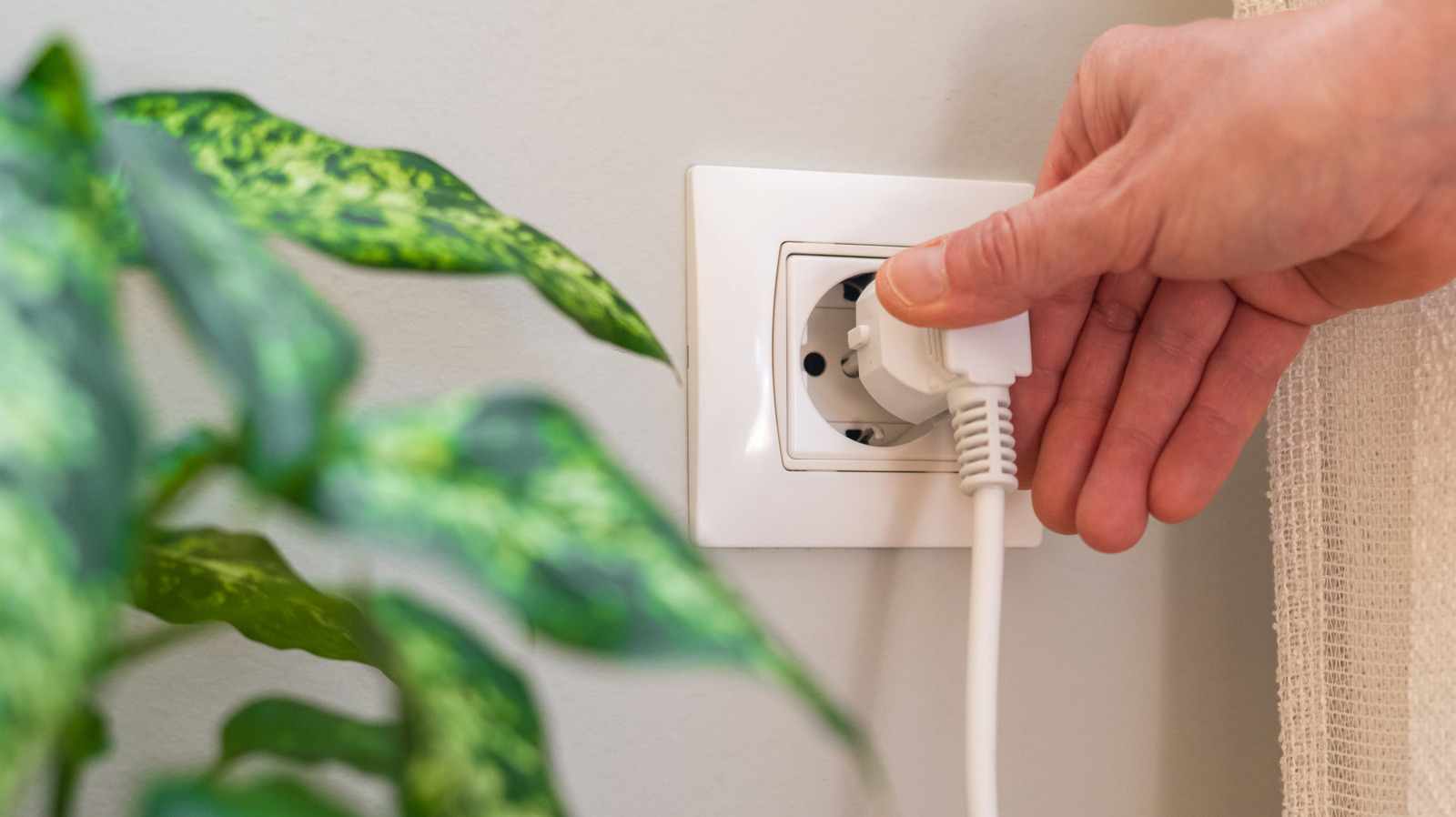
If you’ve ever watched a movie or show from across the pond — or even traveled there yourself — then you’ll probably have noticed that European electrical plugs are vastly different in appearance from those found in America. Even here in America, some plugs might look different, with many having three metal pins versus the usual two. But don’t be too confused, as those plugs all basically do the same thing — the third pin is simply a safety feature called a grounding pin. Overseas, in Europe, though, things are very different to the point that you’ll not only need to check that your electronics are rated for certain voltages, but that you’ll also need to buy adapters capable of handling the voltage transition. It’s honestly a bit inconvenient, so why are all these plugs so different and why isn’t there just a single international standard? Well, to understand that we have to take a trip back to the creation of the first electrical grids.
The first commercial power plant in America opened in 1882, lighting up Manhattan’s financial district. The first transformer followed in 1886 and from there the grid slowly expanded as America’s electrical revolution set in. Over in Europe, the first “commercial power plant” didn’t take off until 1891, which meant technology had evolved some, allowing engineers to come up with more efficient designs. As the grids expanded, different regions created plugs that made sense for their customers, leading to 15 different domestic outlet types which can be found throughout the world, with at least four that are used throughout various parts of Europe alone.
Different development times means different designs


Because many of the world’s different electrical grids were built up within individual regions, at different times in history, their designs took on different forms. For example, when the first home electricity began to make its way into buildings back in the early 1900s, there were no global standards set for how these plugs should look or work. As such, many companies simply adopted what worked best locally. North America fell into its standard pretty early on, which is why we adopted the simple flat-bladed plugs and lower voltage outputs that we have today. We’ve even seen some remnants of past standards still existing today, like the holes in electrical plug prongs.
Europe, on the other hand, developed its electrical grid using higher voltage outputs that made it easier to transmit electricity. This also led to different plug geometries that made sense to the creators of those plugs. And because international travel wasn’t nearly as prevalent then as it is now, the idea of creating a global standard never made much sense, especially since many of the items that needed electricity at the time were not overly travel-friendly.
The International Electrotechnical Commission (IEC) formed in 1904 to consider the standardization of ratings and even naming conventions for electrical components. This has helped some, however, the committee could never standardize plugs because many countries had already invested both time and money into extensive infrastructures that would be costly to replace.
It’s about more than just looks, though
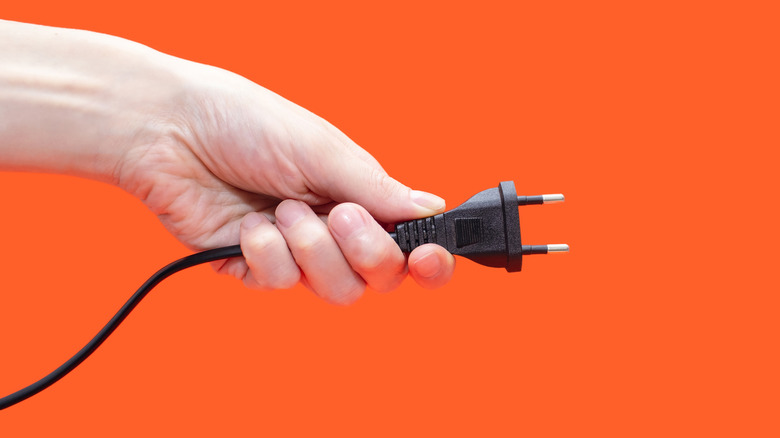
Another reason you need to understand the difference between American and European plugs is because the power grids in each country deliver electricity at different frequencies, as well as different voltage levels. The biggest difference — beyond the looks — between American and European plugs is voltage output. Unlike the American grid, which was built on a voltage of 110-120 volts, the European grid was established to rely on much higher voltages, between 220 and 240 volts. Additionally, many consider the uninsulated plugs found on American electronics to be far less safe than the insulated options often found in Europe.
Additionally, Europe’s electricity runs at 50Hz versus the higher 60Hz of American systems, and while the difference isn’t huge, it does mean that some clocks or motors might not work correctly, as they may run at the wrong speed due to the change in the electrical frequency. Sure, it would be nice if countries standardized electrical plugs the same way electronics have standardized USB-C, but it’s probably best not to hold your breath waiting on that to happen. Dealing with the different plugs in other countries can be inconvenient. Thankfully, though, there are plenty of useful travel gadgets that can help nullify these concerns. Just make sure they are all rated to work with the country you are visiting.