





Ryan Haines / Android Authority
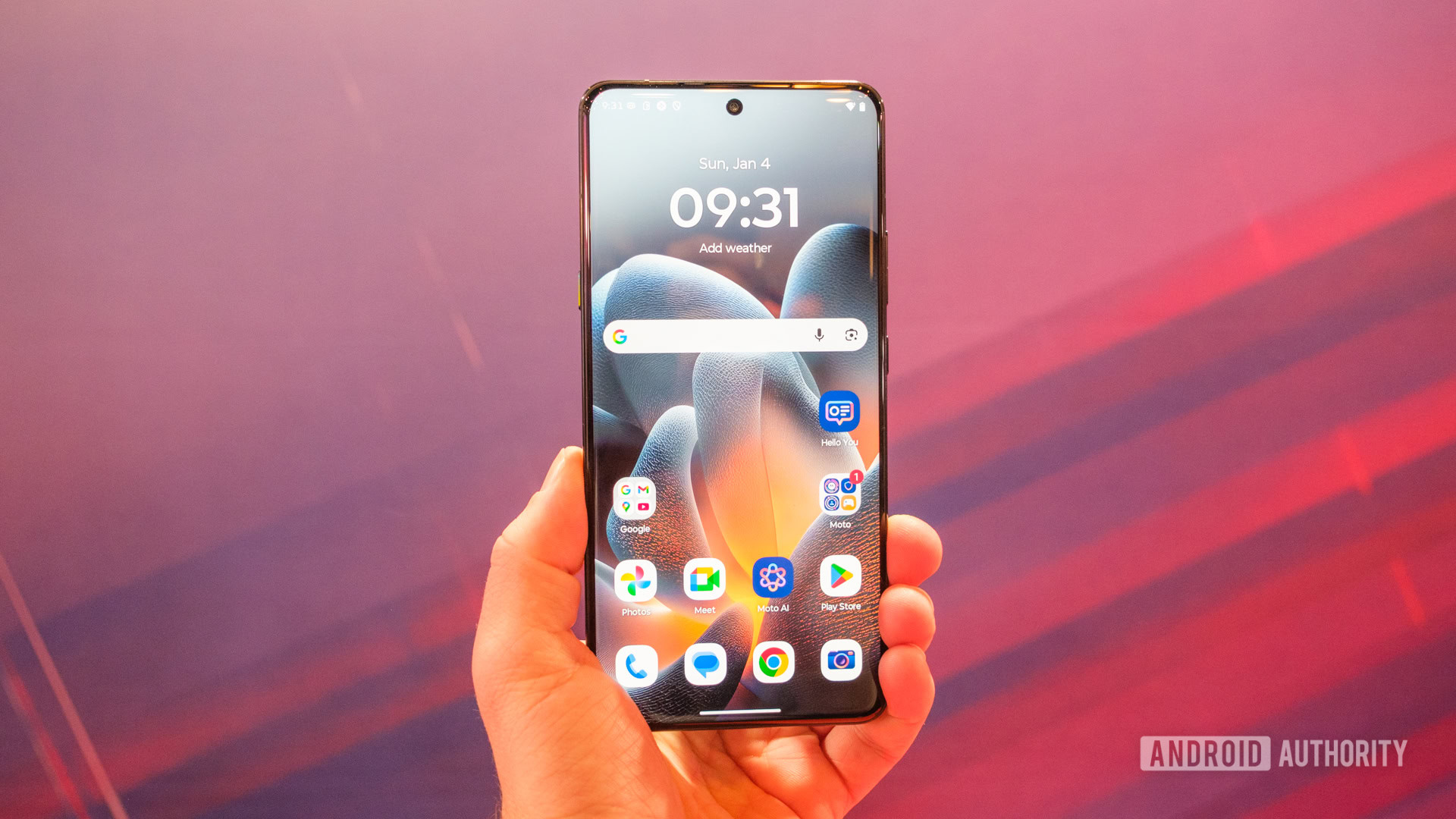
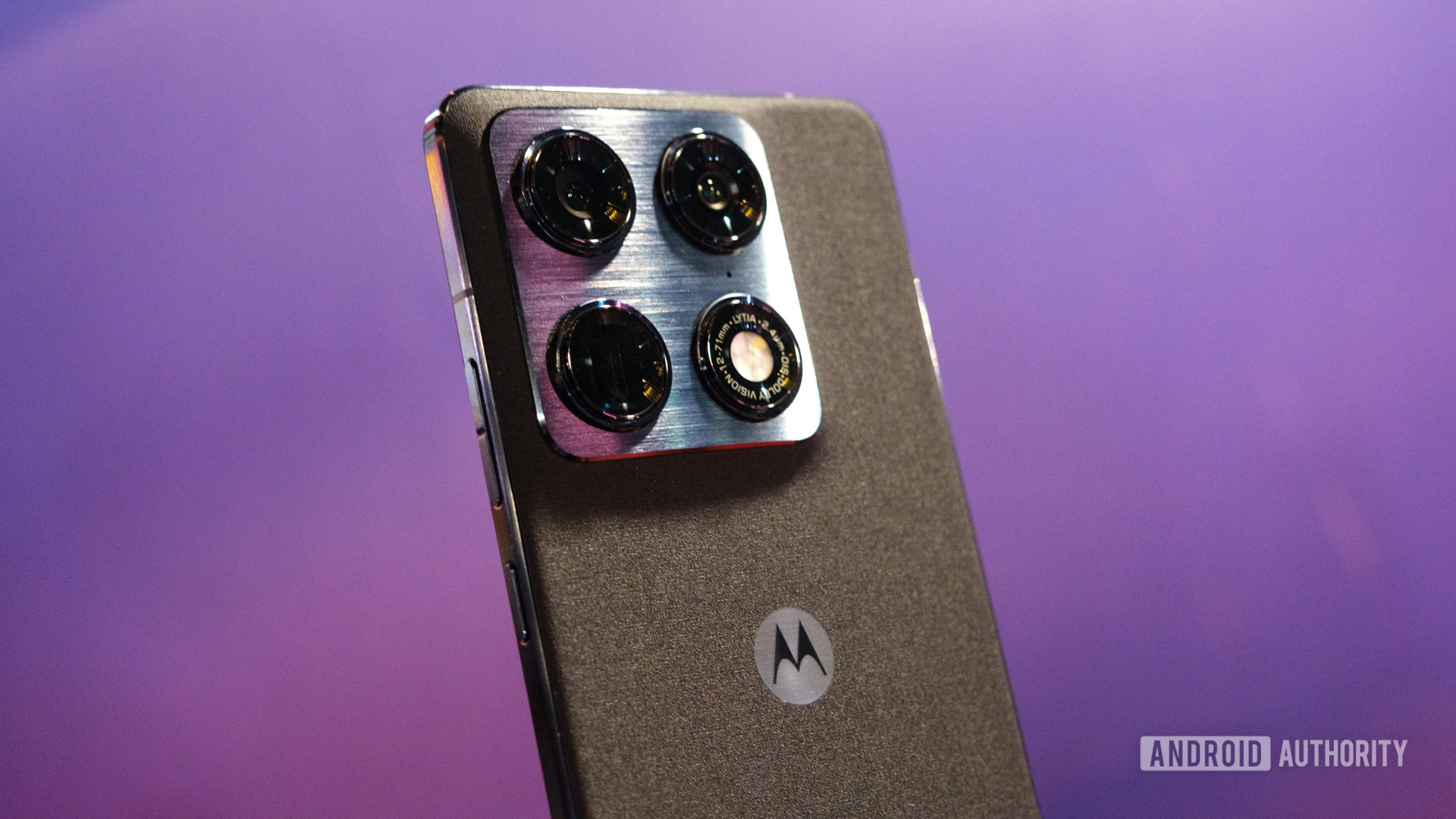
But a new Motorola foldable wasn’t the only bit of Moto news from last week. The company also announced its new Motorola Signature handset. In addition to a sleek design and flagship specs, the Signature stands out for offering something never before seen on another Motorola smartphone: seven years of guaranteed Android updates.
This is a big deal for Motorola and addresses one of the biggest issues facing the company’s Android phones today. But as exciting as it is, I’m worried it may not be enough.
What do you think about the Motorola Signature’s 7-year update policy?
0 votes
An important step in the right direction

Ryan Haines / Android Authority
I’ll explain that worry in a minute, but I first want to give Motorola credit where it’s due.
Lacking software updates has been a persistent pain point for Motorola. Motorola gets so much right with its Android phones, yet time and again, the company just can’t figure out how to support a phone with more than a small handful of Android OS upgrades. This has been true of Motorola phones for a while now, and even as recently as last year’s $1,300 Motorola Razr Ultra — Motorola’s highest-end flagship foldable, which shipped with just three years of guaranteed Android updates.
Given that context, Motorola’s decision to announce the Motorola Signature last week and promise seven years of Android updates for it was a huge deal.
Motorola seems to have taken years of criticism to heart, and the Motorola Signature is the result.
Not only is this the longest update support we’ve ever seen for a Motorola phone, but it also puts the Motorola Signature on par with phones from Samsung and Google. In one fell swoop, Motorola is going from one of the worst at Android updates to one of the best.
That doesn’t happen by accident. Motorola seems to have taken years of criticism to heart, and the Motorola Signature is the result. Do I wish we had seen this level of software support sooner? Of course. But the fact that we have a Moto phone with seven years of updates is incredibly significant, and I applaud Motorola for getting to this point.
The Motorola Signature can’t be a one-off
Ryan Haines / Android Authority
If that’s all true, what do I have to be worried about? I’m worried about where Motorola goes from here. The Motorola Signature is a good first step to correct Motorola’s update woes, but what the company does next is equally important — if not more so.
First and foremost, Motorola needs to prove that the Motorola Signature isn’t a one-off. When the 2026 Razr models likely launch later this summer, they all need to have the same seven-year update promise as the Signature. It would be easy to assume that the 2026 Razr family is a natural next candidate for Motorola’s seven-year guarantee, but recent history suggests otherwise.

Motorola Edge 50 Neo
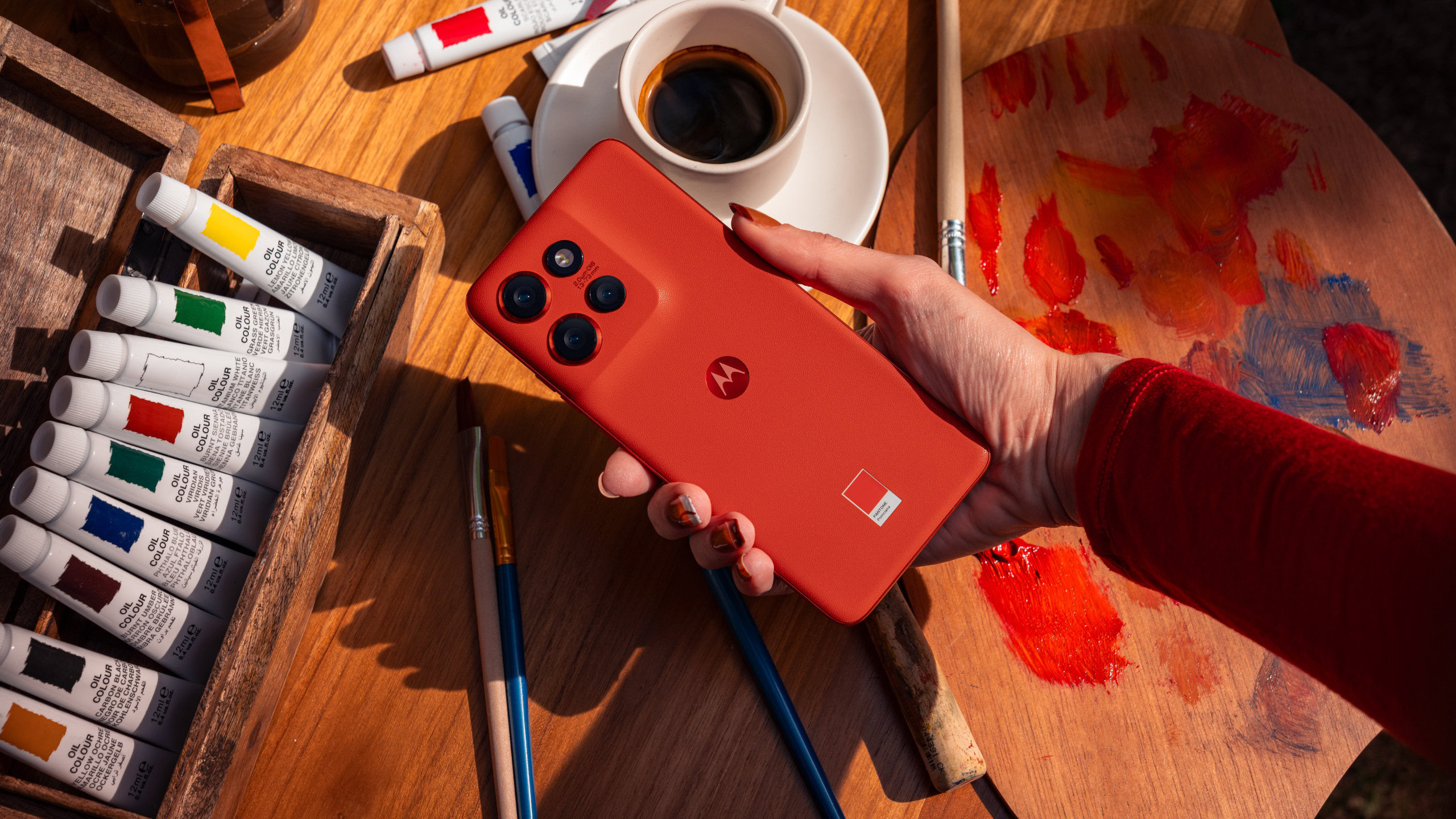
In September 2024, Motorola launched the Edge 50 Neo, the company’s first phone to offer five years of Android updates. At the time, we were hopeful that other Moto phones would follow, and that a five-year update guarantee would become the new norm for Motorola. However, that’s not what happened.
While Motorola released a handful of additional phones with the same five-year promise, the company continued to offer just two or three years of Android OS upgrades for the vast majority of its phones. In other words, nothing had really changed.
If Motorola truly wants to be taken seriously about Android updates, the Motorola Signature can’t follow the Edge 50 Neo’s path. That long-term update support needs to expand to most, if not all, of Motorola’s smartphone portfolio.
Ryan Haines / Android Authority
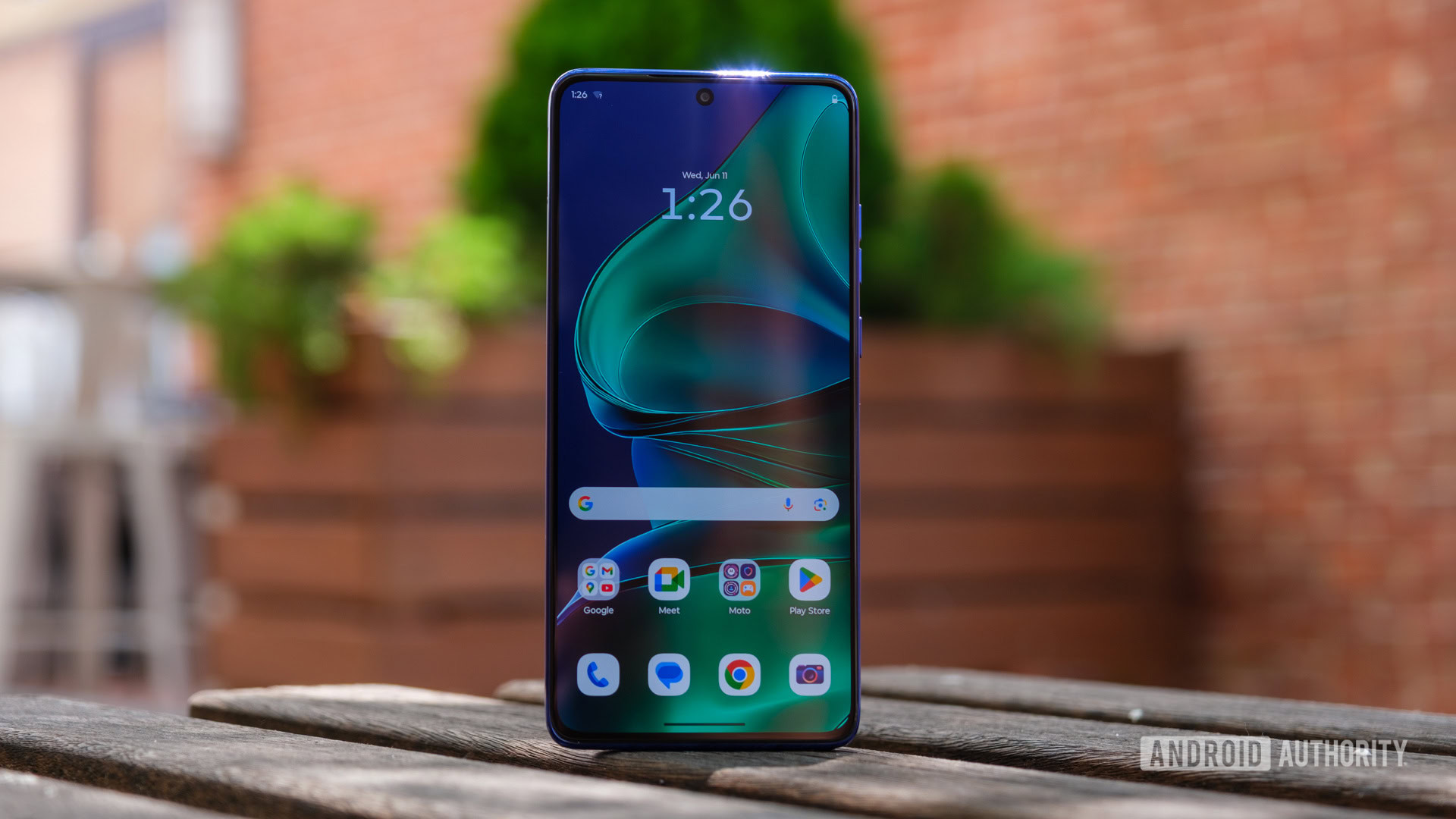
Importantly, that needs to include Motorola’s budget phones as well. While this year’s expensive Razr phones absolutely deserve the same seven-year update guarantee as the Signature, Motorola can’t then ignore its lower-cost Moto G lineup.
For as much as I like some of Motorola’s Moto G models, it’s always tricky to recommend a phone that’s only promised two major software updates — especially when similarly-priced phones from Samsung and Google offer six or seven years of updates. Even if Motorola didn’t commit to the full seven-year treatment for its Moto G phones, six or even five years of updates would still be a dramatic improvement.
Is this the start of a new era for Motorola?
Ryan Haines / Android Authority
Now comes the critical question: Will any of this actually happen? Right now, it’s really a matter of waiting and seeing.
The Motorola Signature doesn’t currently have a firm release date beyond launching in the “coming months,” and we likely won’t see any broader changes to Motorola’s software update policy until closer to the Signature’s release. The first real test of whether the Signature is a one-off will likely come with the 2026 Razr family, which is expected later in the summer.
As a longtime Motorola fan, I’m hopeful that the Signature is the start of a new chapter for the company, one where Android updates are finally taken seriously. Simultaneously, as someone who has covered Motorola for years and has seen how the brand operates, I wouldn’t be shocked if this ultimately leads to nothing.
Prove me wrong, Moto. Please.
Don’t want to miss the best from Android Authority?


Thank you for being part of our community. Read our Comment Policy before posting.


