Can a retail trader compete with a hedge fund at 3 a.m. without touching a keyboard?
That is the question NickAI is answering with its public launch this week.
The New York-based company has introduced what it calls the first agentic operating system for autonomous financial strategies. The premise is straightforward, even if the technology underneath it is not: users build AI agents through a visual interface, connect their existing exchange accounts, and let those agents run strategies across crypto, equities, and prediction markets around the clock, without writing a single line of code.
Before unpacking NickAI’s launch, it helps to understand what “agentic AI” actually means, because the term is appearing everywhere in 2026 and carries real weight in this context.
Traditional trading bots follow fixed rules. If price crosses X, buy Y. Agentic AI is different. An agentic system can perceive its environment, set goals, plan multi-step actions, learn from outcomes, and execute without constant human instruction. Think of the difference between a thermostat and a building manager who monitors weather forecasts, energy prices, and occupancy data to decide when to heat or cool a building. The thermostat reacts. The manager reasons and acts.
NickAI applies this logic to financial markets. Its agents do not just trigger on price levels. They ingest market data, run analysis across multiple large language models simultaneously, apply conditional logic, and execute across connected venues. The company calls this “multi-model consensus,” where several AI systems check each other’s reasoning before a trade goes live. For a retail trader, that is the equivalent of having several analysts in a room who have to agree before a position is taken.
https://x.com/getNickAI/status/2032080522781081892?s=20&embedable=true
The Architecture: Non-Custodial and Platform-Agnostic
One of the more significant structural choices NickAI made is what it chose not to do. The platform does not hold user funds. It does not touch user assets directly. Users connect their existing trading accounts and wallets via API integration, and agents execute wherever those accounts already sit.
This matters because custody is where most trading platforms introduce both friction and risk. When a platform holds your funds, you are trusting them with your capital, their security practices, their solvency, and their regulatory standing. NickAI sidesteps that entirely. Agents operate on Hyperliquid, Coinbase, OKX, Polymarket, and other major venues without assets ever leaving the user’s existing accounts.
Harry Jeremias, Founder of NickAI, explained the thinking directly:
“Financial markets are entering the age of autonomous agents. NickAI is designed as the operating system for that future. Instead of trusting opaque trading bots, users can build transparent AI agent swarms that analyze data, reason across multiple model consensus, and execute strategies simultaneously across all tradeable markets without the human trader emotions.”
The word “swarms” here is not hyperbole. The platform allows multiple agents to run concurrently, each assigned a different strategy or market, coordinating from a single interface. That architecture mirrors how institutional desks operate, with specialized teams running parallel books, except NickAI makes it available without a Bloomberg terminal or a quant team.
Galaxy Digital and the Signal That Backing Sends
NickAI is backed by Galaxy Digital, the digital assets financial firm founded by Michael Novogratz, which manages assets exceeding $17 billion on platform as of Q3 2025. Galaxy is not a passive technology investor. Its business lines span trading, asset management, principal investments, and advisory services across digital assets. When Galaxy backs a trading infrastructure company, it signals institutional conviction about both the technology and the market structure it is designed to serve.

Galaxy’s investment sits in a broader context where institutional capital is moving rapidly into agentic AI infrastructure. The firm itself reached record adjusted gross profit of $728 million in Q3 2025, driven in part by crypto trading volumes that climbed 140% quarter over quarter. An investment in a company building the automation layer for those same markets is not incidental.
The Market They Are Building Into
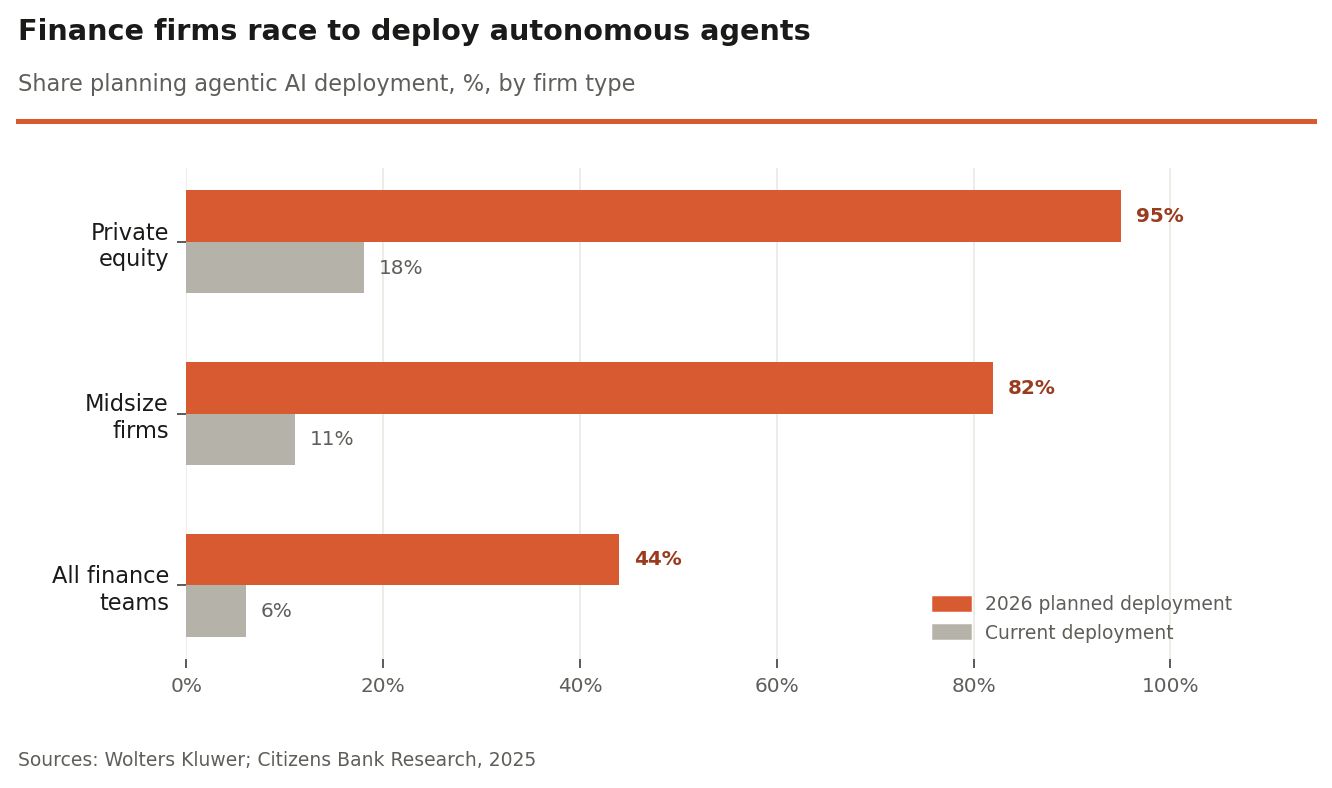
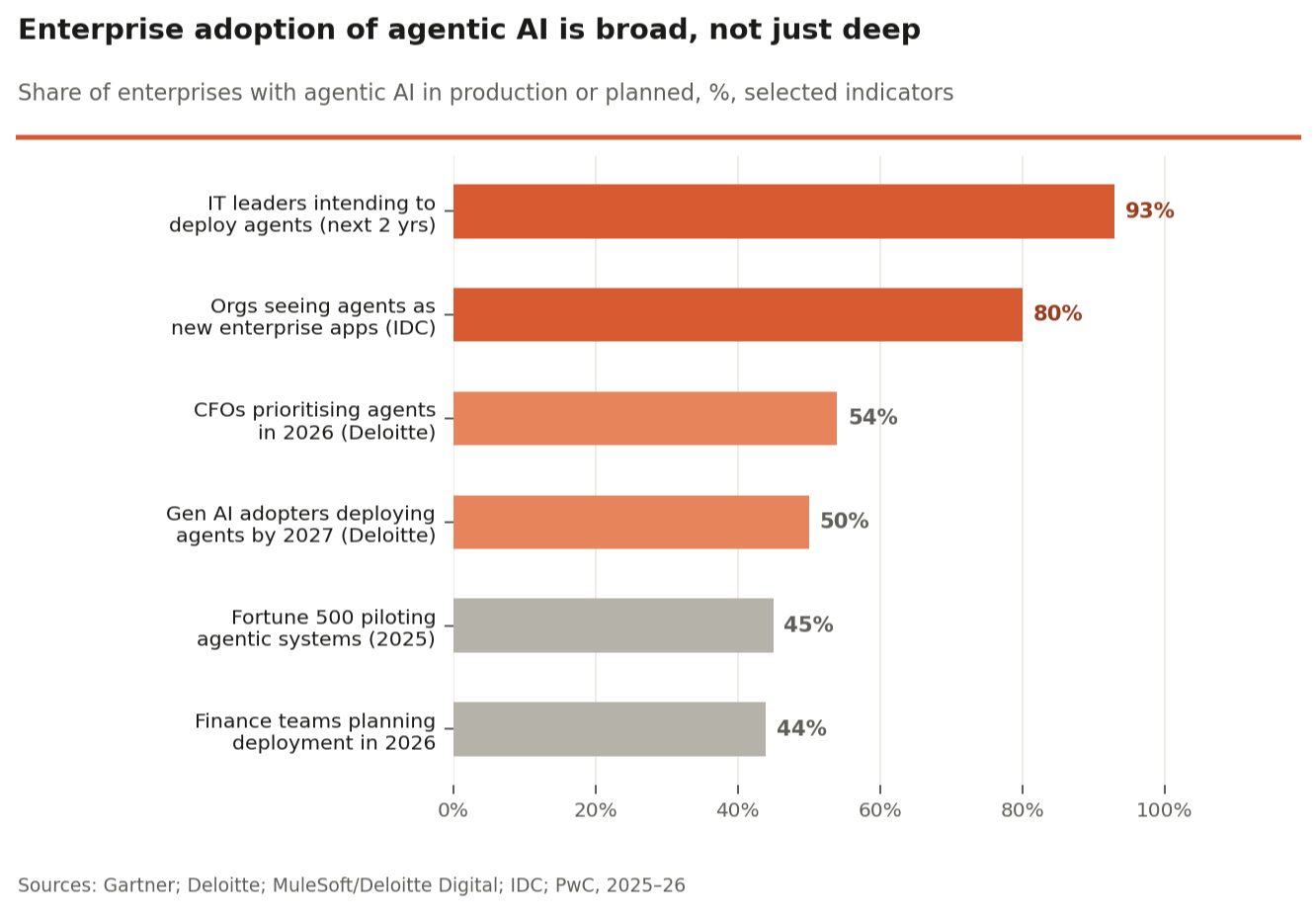
The timing of NickAI’s launch is not accidental. The global agentic AI market was valued at $7.29 billion in 2025 and is projected to reach $139.19 billion by 2034, at a compound annual growth rate of 40.5%. Fortune Business Insights Within that, finance is leading adoption. A Wolters Kluwer survey found that 44% of finance teams plan to deploy agentic AI in 2026, up over 600% from 6% at the time of the survey, with private equity firms at 95% planning implementation according to Citizens Bank research.
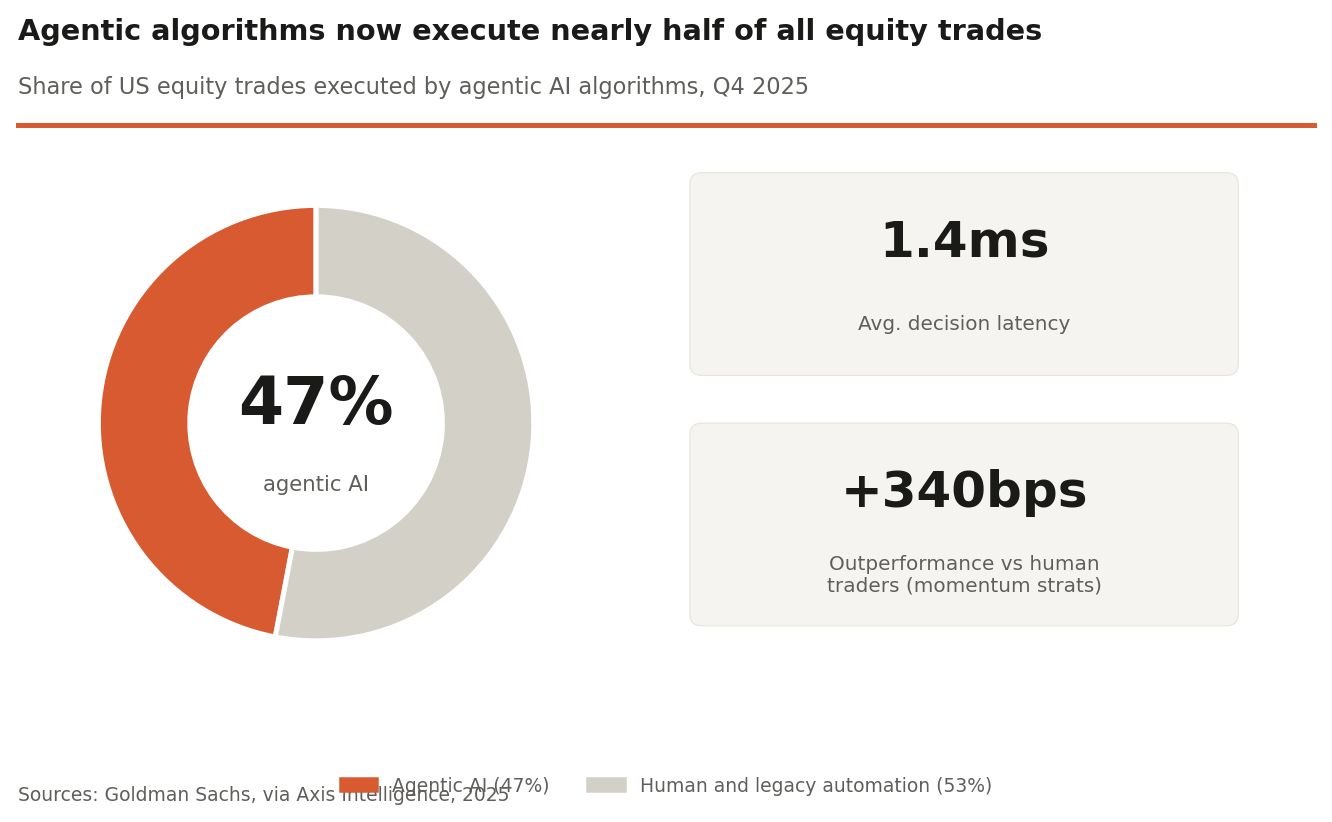
The trading vertical specifically is already seeing structural change. Goldman Sachs reported that agentic trading algorithms executed 47% of equity trades in Q4 2025, with decision latency averaging 1.4 milliseconds and outperforming human traders by 340 basis points across momentum strategies.

For retail traders, these numbers have a direct implication. The counterparties they are trading against are increasingly automated systems running at millisecond speeds with access to more data than any individual can process. The question is not whether to use automation, but which automation, and who controls it.
Risks Worth Acknowledging
No coverage of an autonomous trading platform is complete without addressing the risks that come with it. Agentic systems that operate without human intervention during market stress events, flash crashes, or unexpected macro shocks can amplify losses faster than a human can intervene. The platform offers notifications when agents act, but real-time monitoring of multiple concurrent agents running complex strategies is a genuine operational challenge.

The non-custodial architecture protects against platform insolvency risk but does not protect against strategy risk. An agent running a flawed strategy will execute that flawed strategy efficiently and continuously. The transparency NickAI emphasizes in its workflow design is important precisely because users need to understand what their agents are doing well enough to shut them down when conditions change.
Regulatory treatment of autonomous trading agents is also still developing. The SEC and CFTC have not issued comprehensive guidance on AI-driven retail trading, and platforms operating in this space are navigating rules written before this technology existed.
Final Thoughts
NickAI is entering a market that is moving faster than most participants realize. The infrastructure for autonomous finance is being built now, and the companies that establish the tooling layer early tend to define the standards that follow. The non-custodial architecture is the right call, the multi-model consensus approach addresses a real risk in AI trading, and Galaxy Digital’s backing brings both credibility and network access that early-stage fintech companies cannot easily replicate.
The platform’s success will ultimately depend on whether retail traders can build strategies that actually perform, not just run, and whether NickAI can maintain that performance edge as larger competitors enter the agentic trading space. Those are not small questions. But the launch itself marks a genuine inflection point in who gets access to autonomous financial infrastructure.
Don’t forget to like and share the story!