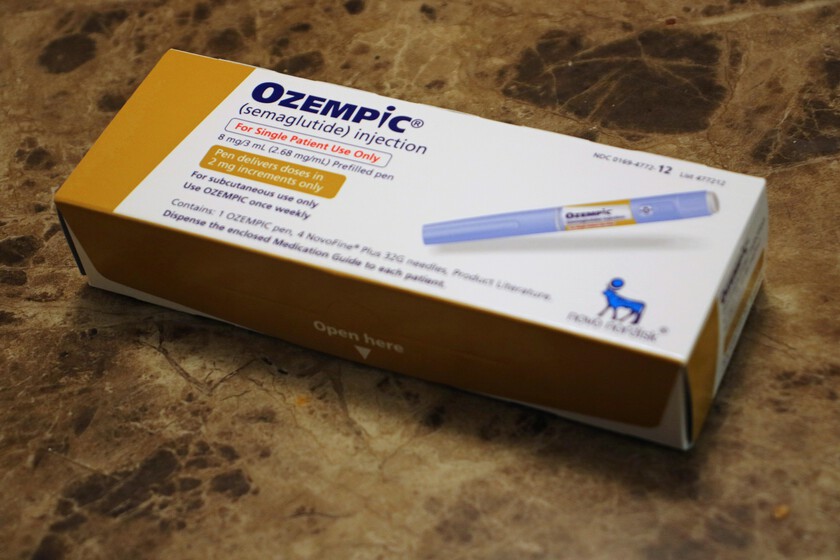
In the last two years, GLP-1 receptor agonists such as Ozempic or Wegovy have gone from being diabetes drugs to becoming the cultural and medical phenomenon of the decade to fight obesity. And such was its impact that it was thought that surgery for obesity had come to an end, but the reality has been very different.
The premise. The idea is quite clear: if I can take medication twice a month to lose weight… Why would I go into an operating room? A logical idea, especially given the risks that one always has when entering surgery, no matter how well controlled they are.
But this enthusiasm for abandoning the scalpel is slowly fading, since according to the latest research, bariatric surgery is still superior to GLP-1 agonists and achieves much better results.
The devastating fact. The study that has shaken the table comes from NYU Langone where researchers compared patients undergoing interventions such as a gastric bypass with those who had taken Ozempic.
The result was quite clear. Those who had undergone surgery managed to lose between 24 and 26% of their body weight, while patients on drugs lost an average of between 5 and 6%. A result that does not agree with what was expected by pharmaceutical companies with their clinical trials in hand. But the problem is that the variable of adherence to treatment is once again a big problem in medicine.
More data. The University Clinic of Navarra also wanted to investigate in this field, conducting a large study with 20,000 patients, concluding exactly the same: bariatric surgery surpasses GLP-1 agonists in total weight loss, reduction in BMI and body composition.
The human factor. The great failure of a pharmacological treatment is undoubtedly the humans who are going to take it. And it is quite common in medicine for patients to forget to take a dose of their medication or even abandon treatment halfway through without any type of control. But luckily, the big difference between a pill (or injection) and surgery is that the second cannot be “forgotten.”
The studies are clear in this sense: between 60% and 70% of patients abandon treatment with GLP-1 before the first year. Something that causes a great rebound effect that makes a patient return to their original weight, especially if they return to having the same eating habits as before starting treatment with Ozempic or others.
The difference. The reasons for reaching this point in treatment are varied: from persistent gastrointestinal side effects to the high monthly cost of treatment or shortages. But the thing is that while stopping pricking yourself causes a rebound effect, bariatric surgery, although invasive, offers much more stable long-term results. Although logically he has many other problems behind him.
Beyond the scale. The superiority of surgery is not measured only in waist centimeters. Science points out through a systematic review published in JAMA Network Open This 2025 suggests that surgery is associated with lower overall mortality and a more drastic reduction in major cardiovascular events compared to drugs.
And although GLP-1 has shown great benefits, the truth is that science indicates that surgery is still better in remission of type 2 diabetes with a minimal risk of mortality. Furthermore, despite the initial cost of the operation, in the long term surgery is cheaper for health systems than chronic drug treatment that costs hundreds of euros per month for life.


A combined therapy. Despite all this, we are not in a war of one against the other, but the future points to an integration of both elements. In this way, strategies are already being explored where GLP-1 is used before surgery to reduce surgical risk in patients with extreme obesity, or after surgery as a rescue tool if the patient begins to regain weight years later.
Even the WHO has begun to include these drugs in its comprehensive treatment guidelines, but emphasizing that they are one more piece of the puzzle, not a universal substitute.
Images | David Trinks
In WorldOfSoftware | We have more and more research on the effects of Ozempic. And the problem is that we have more and more doubts