




Ryan Haines / Android Authority
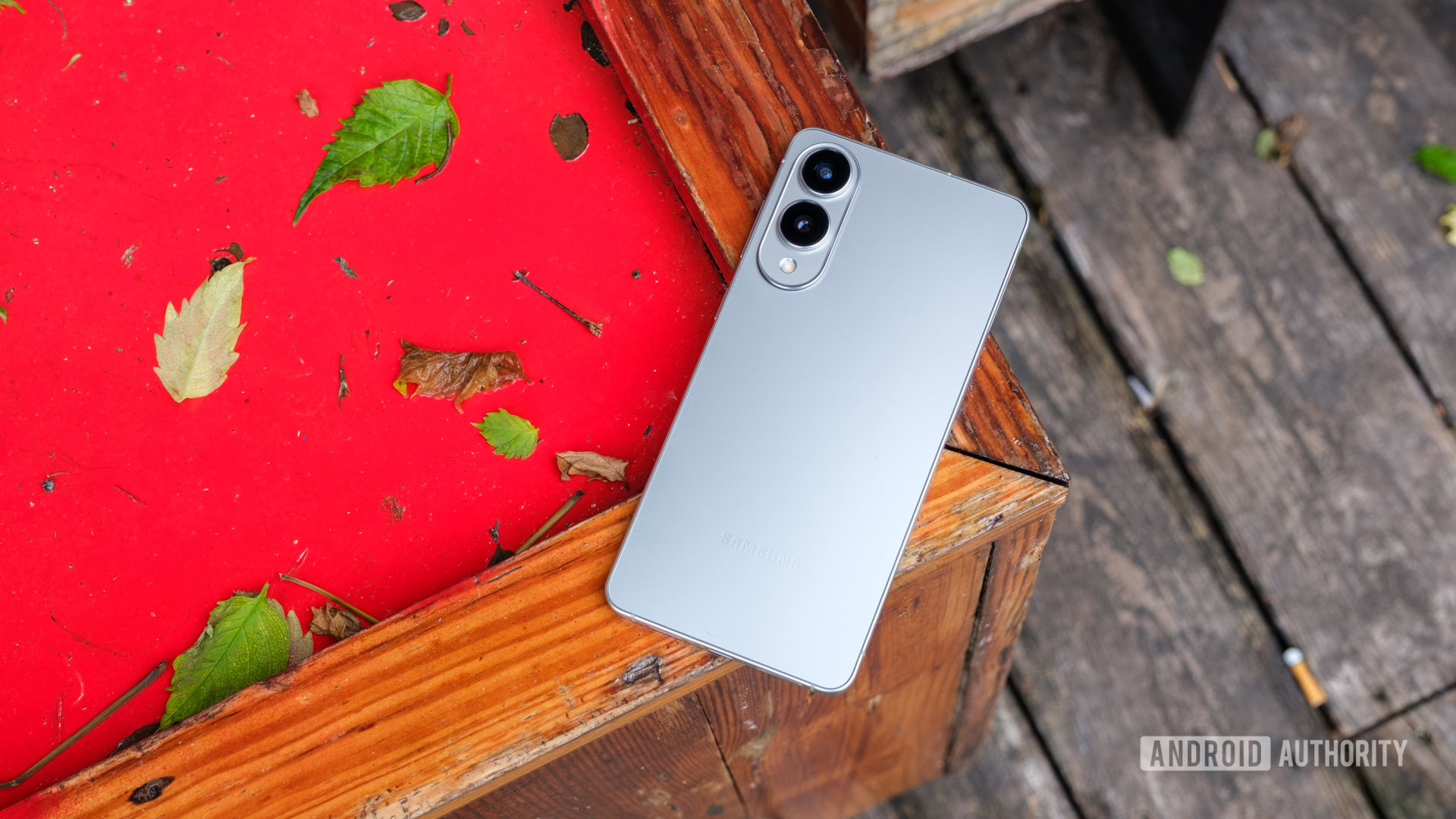
I will wear two hats today — one as a reviewer and one as a consumer. That’s because I’ve been on both sides and know exactly how the two brains function, and perhaps make sense of how differently they each perceive the same product. This is exactly what we need today, because the device in focus is perhaps as polarizing in acceptance as those two minds themselves.
When choosing a phone, what influences you more?
0 votes
The comparison fatigue

Ryan Haines / Android Authority
I thought it would be a good thing that being a reviewer gets me to test out so many phones throughout the year. While writing this story, though, I’ve come to realize that it might actually be working against me.
You know how it goes — when you have experience with so many phones, you end up setting several benchmarks in your head. Which phone is better, which one isn’t, and how exactly one differs from the other. And you use all that accumulated judgment to review a fresh phone.
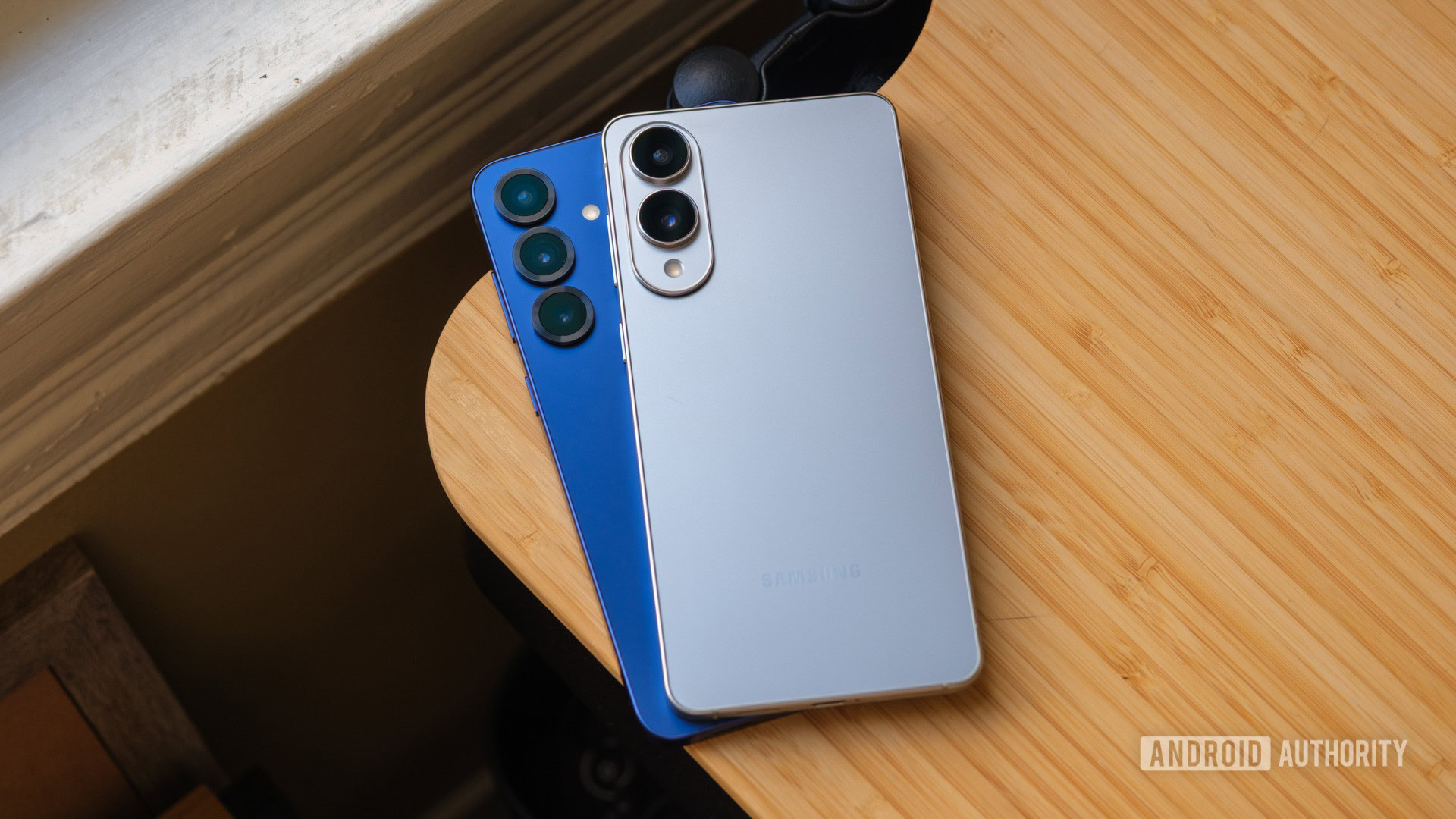
This works in most cases, but ever since smartphones essentially haven’t changed a lot in many years, when something different like the Galaxy S25 Edge comes along, that pattern falls off track. The judgments don’t align well with what a consumer might want; instead, they stem from what experience has trained you to expect.
This predictive judgment — rather than perceived judgment — often works at odds with the phone you’re reviewing and puts it in a bad light without regard for what users might or might not actually like.
Ryan Haines / Android Authority
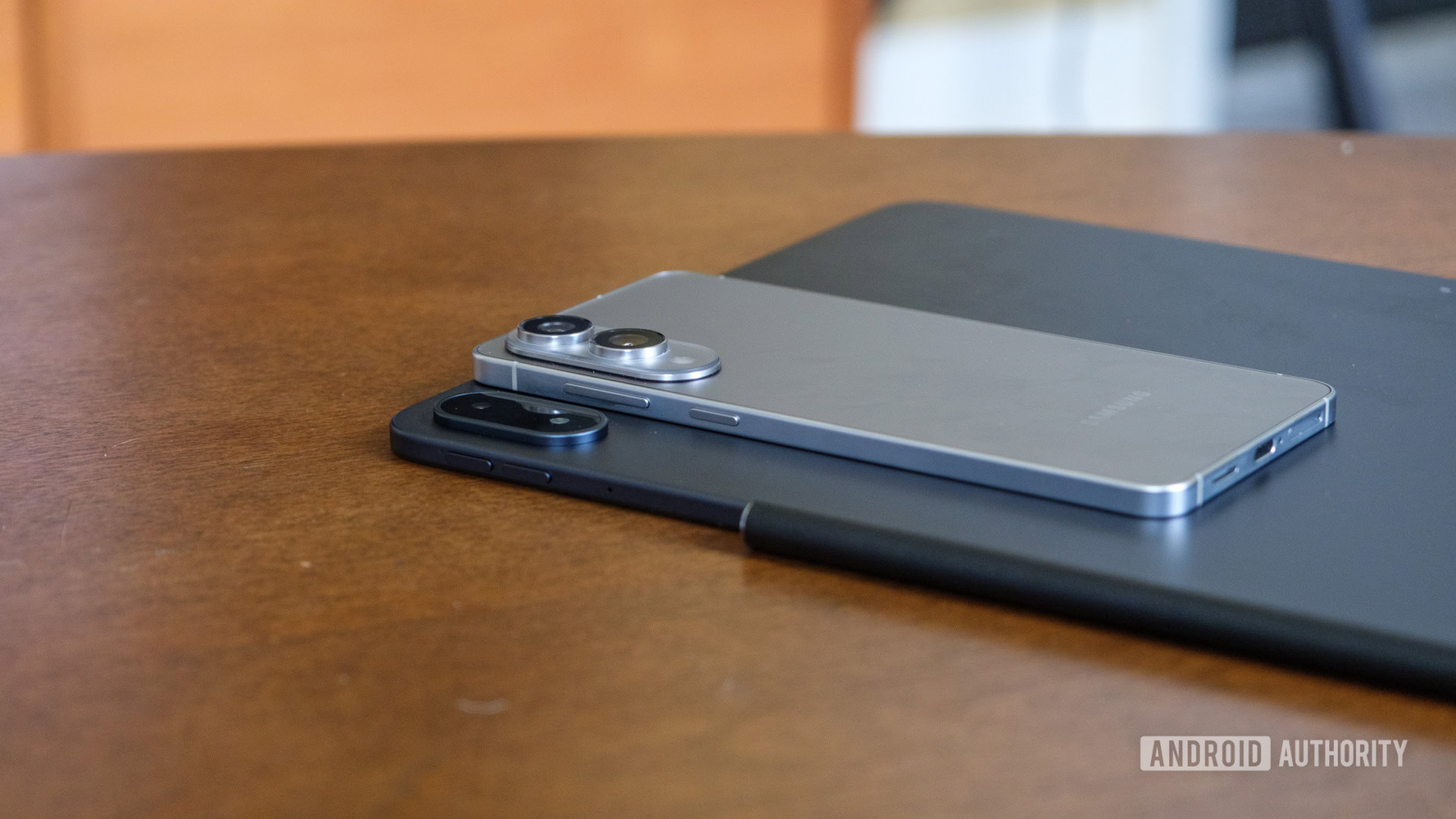
Getting to play with so many phones also dulls the exposure a bit. It makes reviewers less sensitive to the novelty a particular phone brings (in this case, the Galaxy S25 Edge) and pushes them to benchmark it against phones that may not even be in the same league. You don’t go with the extraordinary expecting the usual.
One aspect that even we reviewers sometimes neglect is that while our experience includes a lot of breadth, it severely lacks depth. Constantly switching between phones isn’t the same as using a single device for several months. My acceptance of the iPhone only grew once I lived with it long-term — a full year of use as my primary device. You can only get that kind of depth when you use a phone for months at a stretch instead of switching every few weeks.
And guess who gets that kind of depth?
Expectation vs. reality gulf
Ryan Haines / Android Authority
When your sample size is small, decision fatigue fades into the background. This happens to many of us when we’re sitting in a restaurant staring at a menu with 500 dishes and trying to pick one. It’s not an easy decision. But with a smaller, curated menu, you can make a choice quickly. The same thing applies when you’re standing in a store trying to buy a new smartphone.
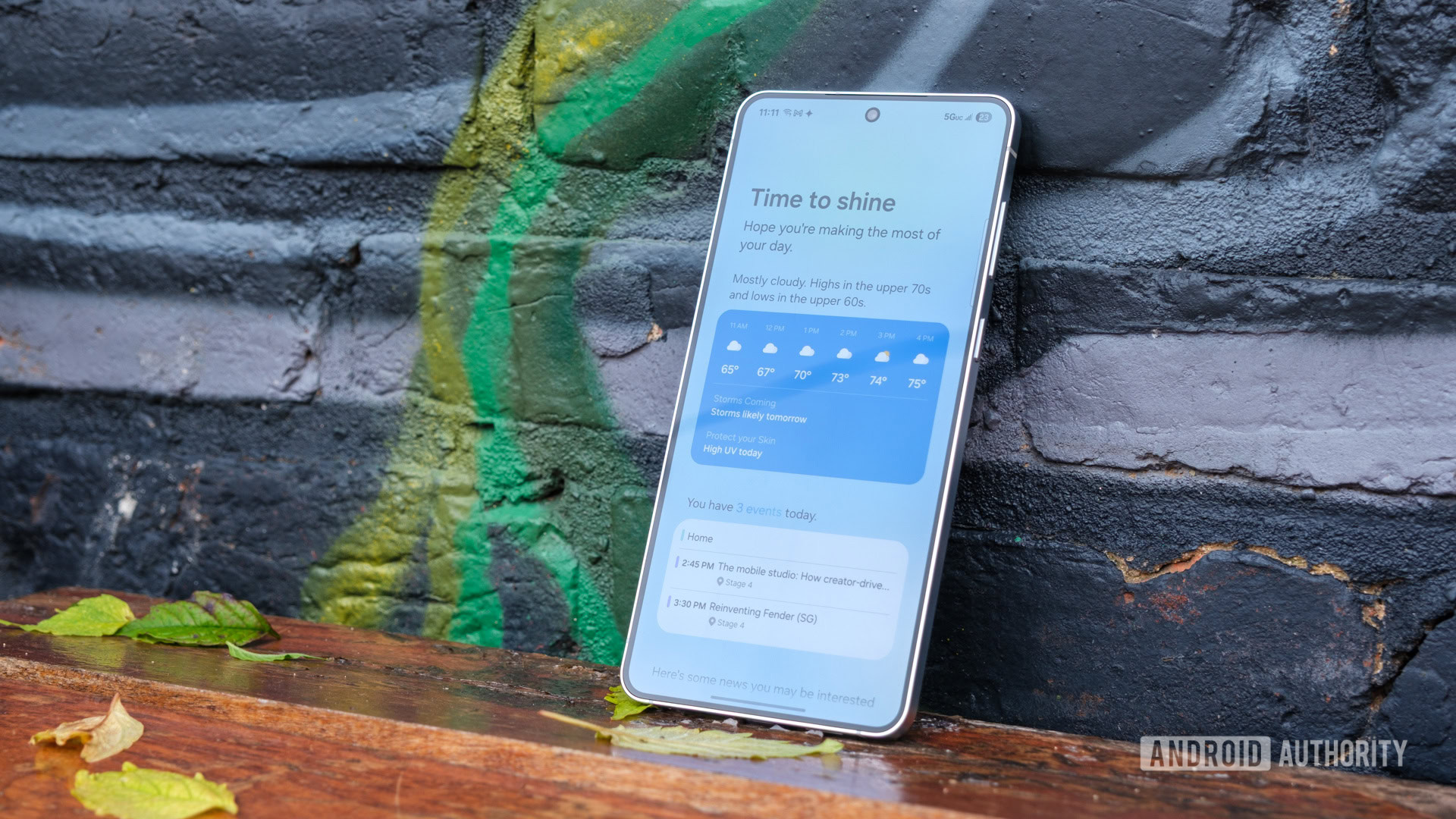
When you’re choosing between just the two phones you’re holding in your hands, you aren’t benchmarking numbers. You aren’t battling phones like YouTube fanatics trying to see which one opens an app a microsecond faster. What you’re optimizing for is real-world experience, the in-hand feel, the actual lived reality.
Your choice shrinks to those two phones, free from the expectations a reviewer might carry from testing ten different smartphones launched this year, or the knowledge that another phone is coming soon. None of that matters to you.
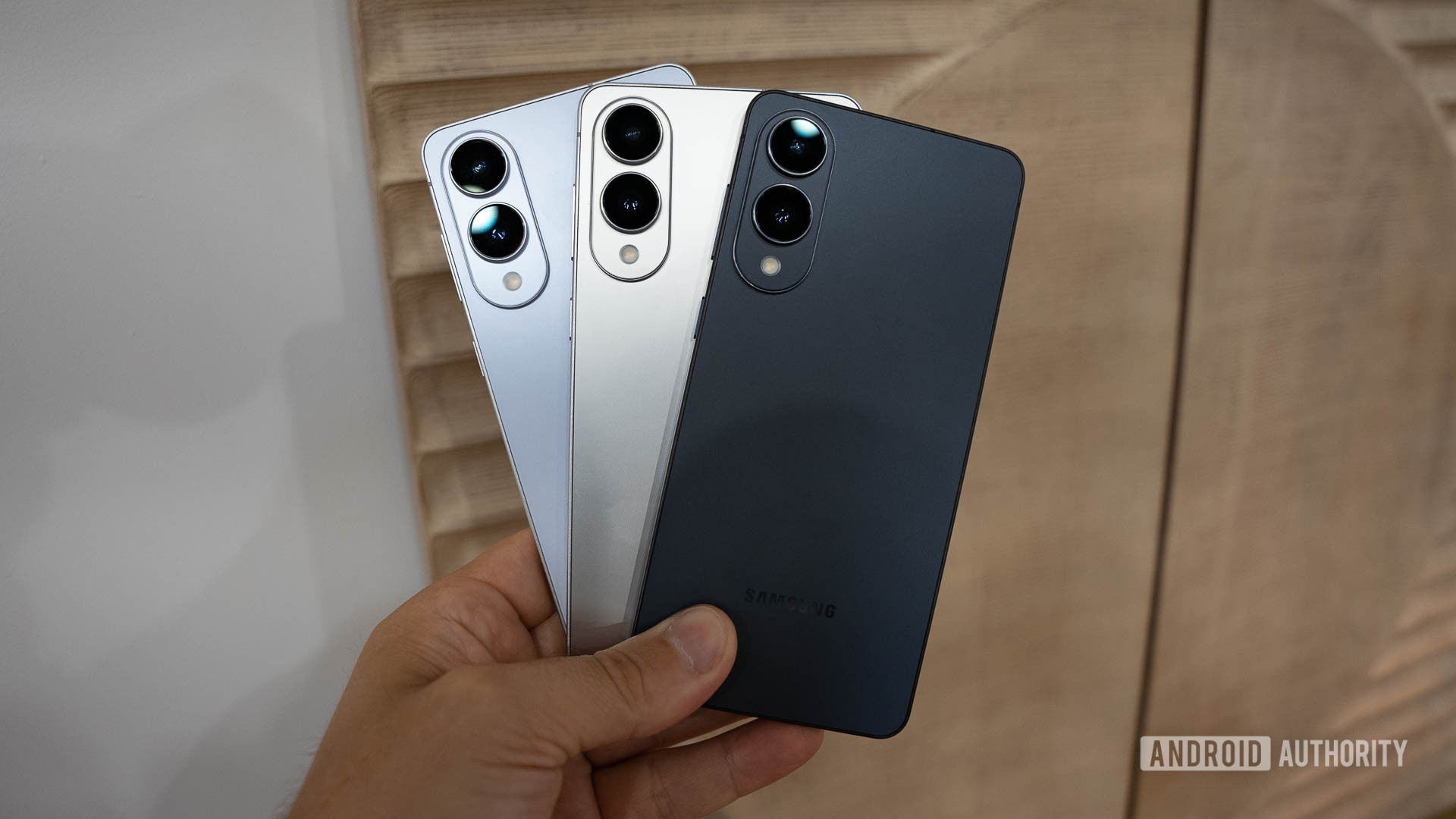
C. Scott Brown / Android Authority
The only thing that matters most is your personal context. Reviews don’t have that. They have their own context, but they don’t have yours. That’s exactly why most tech YouTubers use video editing as the ultimate pro-level workload example — because that’s their reality. As a user, you may get a sense of how a phone performs from those examples, but it won’t fully map to your use case.
Maybe you work from home and don’t stress your phone’s battery with mobile data all day or outdoor use at 100% brightness. In that case, you don’t need a beefy cell and can easily live with the Galaxy S25 Edge’s battery life while enjoying its lightness to the fullest without constantly cribbing about endurance.
The price factor
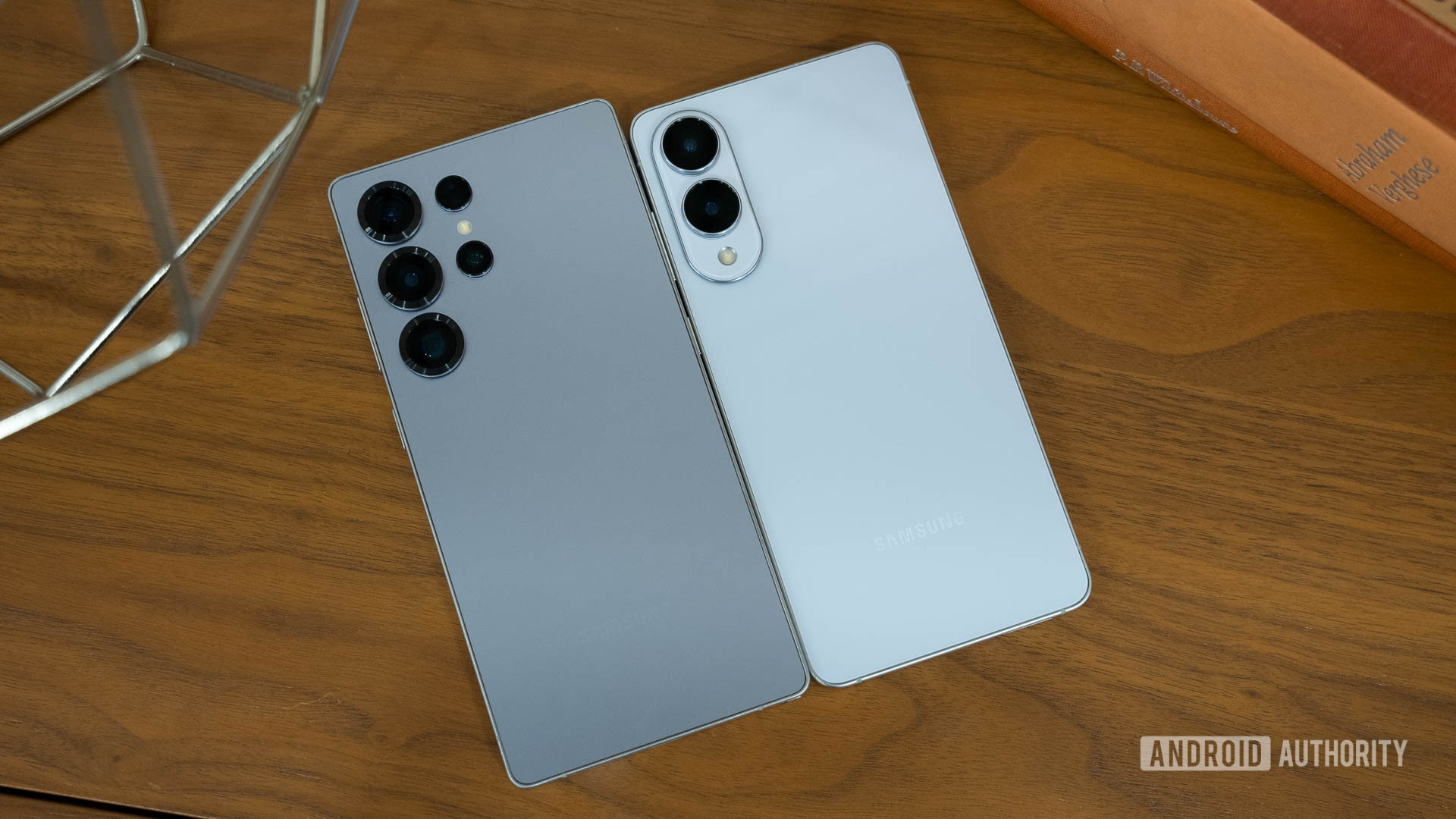
C. Scott Brown / Android Authority
The Galaxy S25 Edge was an expensive phone at launch, priced at $1,100. And it may not be that much phone for that price. But at a discounted price — say $850 or even $600 (seldom open-boxed) — it suddenly becomes a fantastic deal people want to jump on. And they did.
Even if the phone didn’t find many takers at full price, consumers have been actively picking it up and genuinely loving it at lower prices.
Even if the Galaxy S25 Edge didn’t find many takers at full price, consumers have been actively picking it up and genuinely loving it at lower prices.
Consumers — the people — are often better judges of the value they’re deriving from a device. The same phone may not feel good enough at full price, but it becomes far more enticing when the pricing is right. The Galaxy S25 Edge isn’t a perfect phone, per se. It does make compromises. But those compromises matter a lot less when you’re paying less.
Reviewers did have fair concerns, which were even right on many fronts. But ultimately, it’s the end users who have to live with the phone — not the reviewers, who have likely moved on to another device since then. When consumers consistently say a phone is great across forums and back it up by spending their hard-earned money, we reviewers should humbly recede.


Samsung Galaxy S25 Edge
Incredibly slim design • Impressively lightweight • Great materials
Ultra-thin.
The Samsung Galaxy S25 Edge is the thinnest Galaxy S device ever but still packs a 6.7-inch AMOLED display, a Snapdragon 8 Elite chip, and a 200MP main camera.
Thank you for being part of our community. Read our Comment Policy before posting.


