




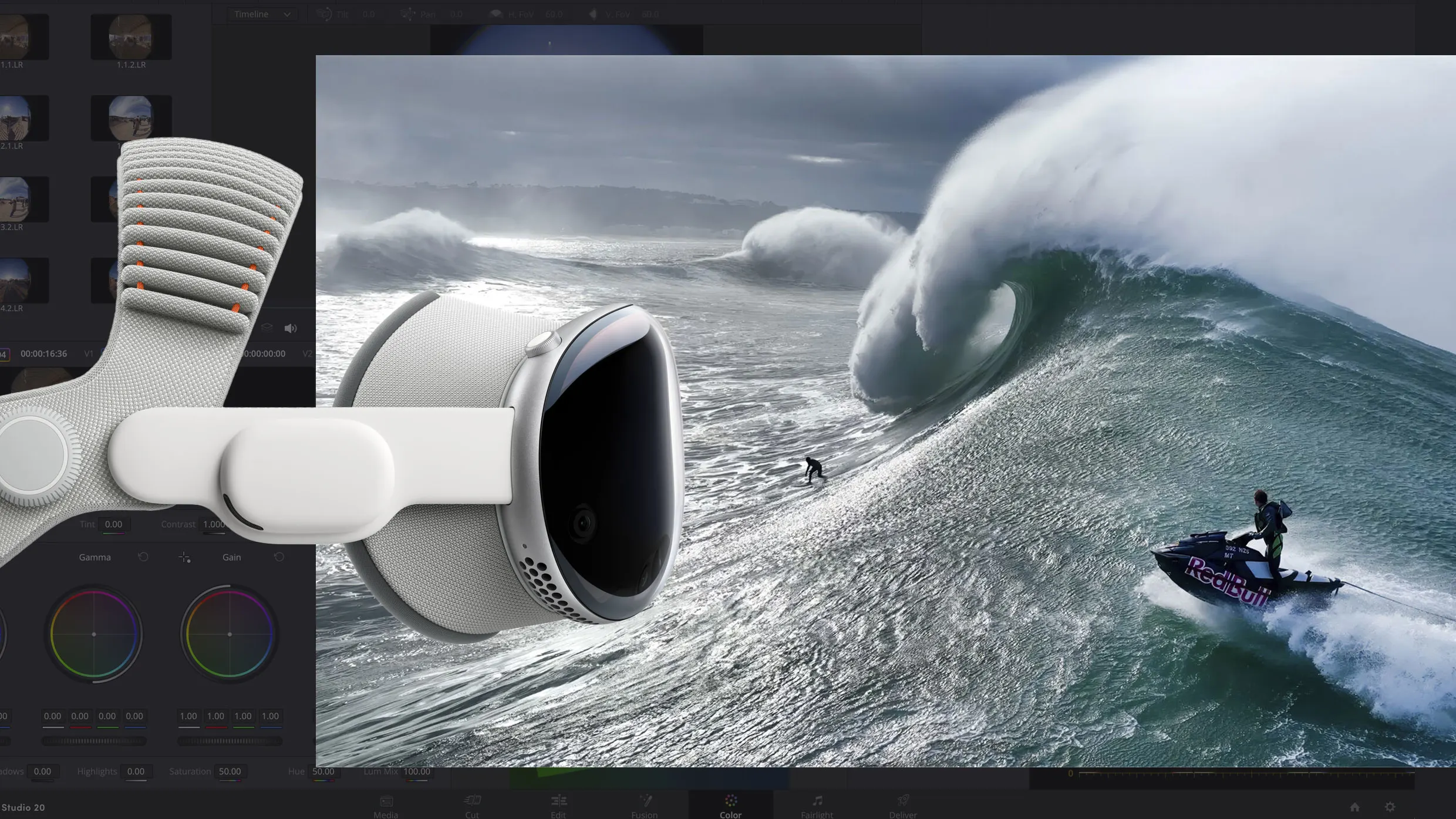
But much of the progress the Vision Pro has made hasn’t stemmed from the routine tick-tock of software and hardware updates. Apple has also been throwing itself into the equally vital work of getting third-party developers and creators to build experiences that will help the rest of us understand what, exactly, its headset is good for. That was the goal of a Vision Pro developer event the company held at its Cupertino campus in late October.
Unlike the sprawling, online-first WWDC confab, this gathering—part of an ongoing series called “Meet with Apple”—was intimate and focused. Yes, a worldwide audience tuned in via livestream, and Apple later posted videos from the event on YouTube. But in-person attendees got to mix, mingle, and witness onstage presentations in the Apple Developer Center’s Big Sur theater, a 200-seat venue named after the 2020 MacOS release. And every minute of the two-day meeting was dedicated to sharing best practices about the art and science of creating immersive media for the Vision Pro.
The fact that there are Best practices to share reflect Apple’s own growing confidence as a creator of experiences for its own device. “We’ve seen a lot of great momentum over the last several months with third-party creators,” says senior director of Apple Vision Pro product marketing Steve Sinclair. “And a lot of that is steeped in learnings that we’ve had over the last 12 to 18 months of making this type of content.”
Such advances are essential to the Vision Pro’s future. In August, Bloomberg’s Mark Gurman argued that the headset was stuck in a catch-22 situation. Without a sizable base of Vision Pro customers, Apple wasn’t incentivized to release vast quantities of content in Apple Immersive Video, its format for 3D 8K video with spatial video. But the lack of such content made the Vision Pro a less tempting purchase, even for people with a spare $3,500 to spend on it.
Gurman did say that third-party creators might help increase the amount of available content. He also noted the release of two products from Blackmagic Design: its $33,000 Ursa Cine Immersive camera and a new version of the DaVinci Resolve video editor capable of handling Apple Immersive Video. They will help independent creators tackle immersive production, a process that has historically involved, as Blackmagic business development manager Dave Hoffman puts it, “rigs that were bespoke and really kind of science projects.”


At Apple’s event, I spoke with filmmakers and developers who are already producing Apple Immersive Video and other forms of Vision Pro content. (The terminology can get tricky: Not everything on the headset that’s immersive and/or video is Apple Immersive Video, a specific technical specification.) Given the venue, it’s not shocking that they spoke highly of the assistance the company has given them. Yet they also talked about the adventure of diving into a medium that’s still finding its way.


