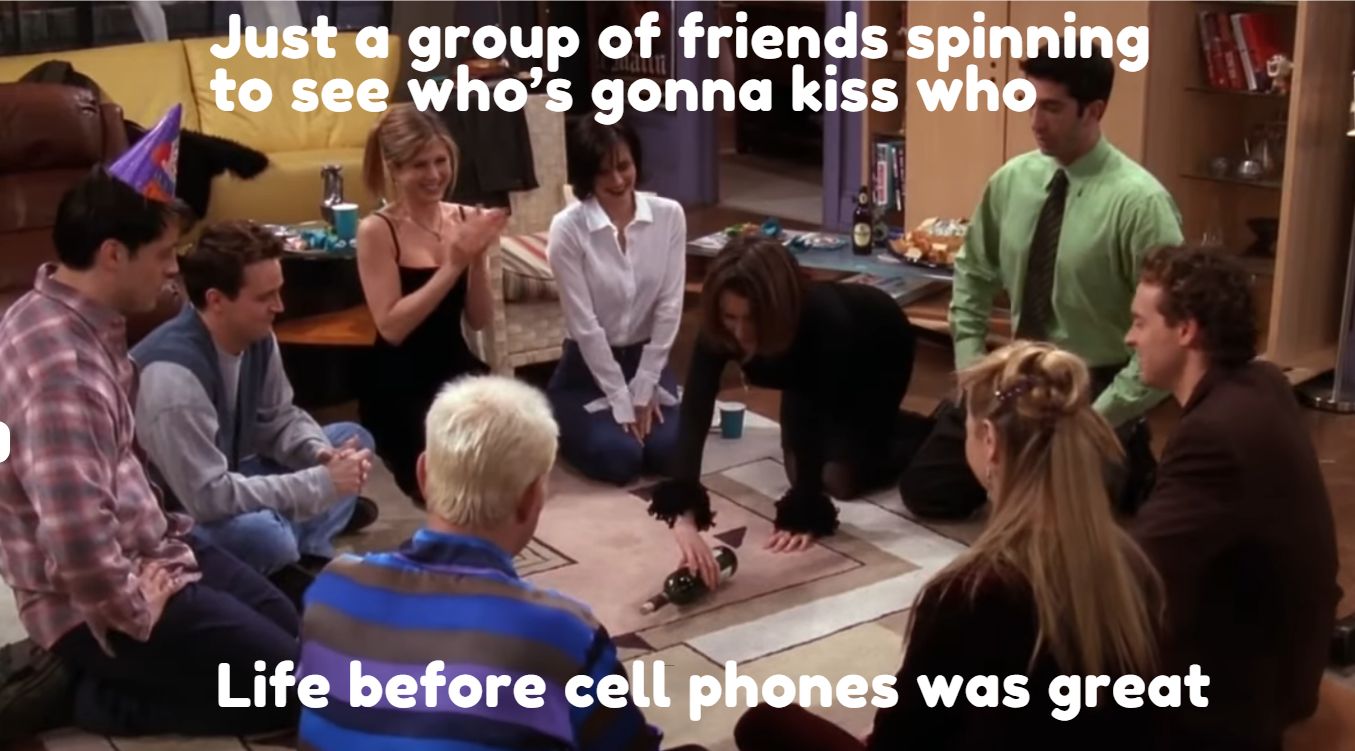
‘’Marketing Doesn’t Work’’
-Sam Ovens, in a Marketing Video from 2018
It might seem like a great idea to charge between 1,000 – 10,000 dollars for info that is already available for free online to everyone. (Yes, I’ve bought a few of these – some of them yummy, some less so…)
You just package it nicely and feed it to people who think they need what you promise & are too lazy to even complete the course after buying it.
Ever heard of the 6 needs of humans?
If not, here’s a quick run-through:
Tick 2 of these in someone, and you greatly improve the odds that they buy.
Tick 3 or more boxes in someone, and you might make them addicted to whatever you’re selling.
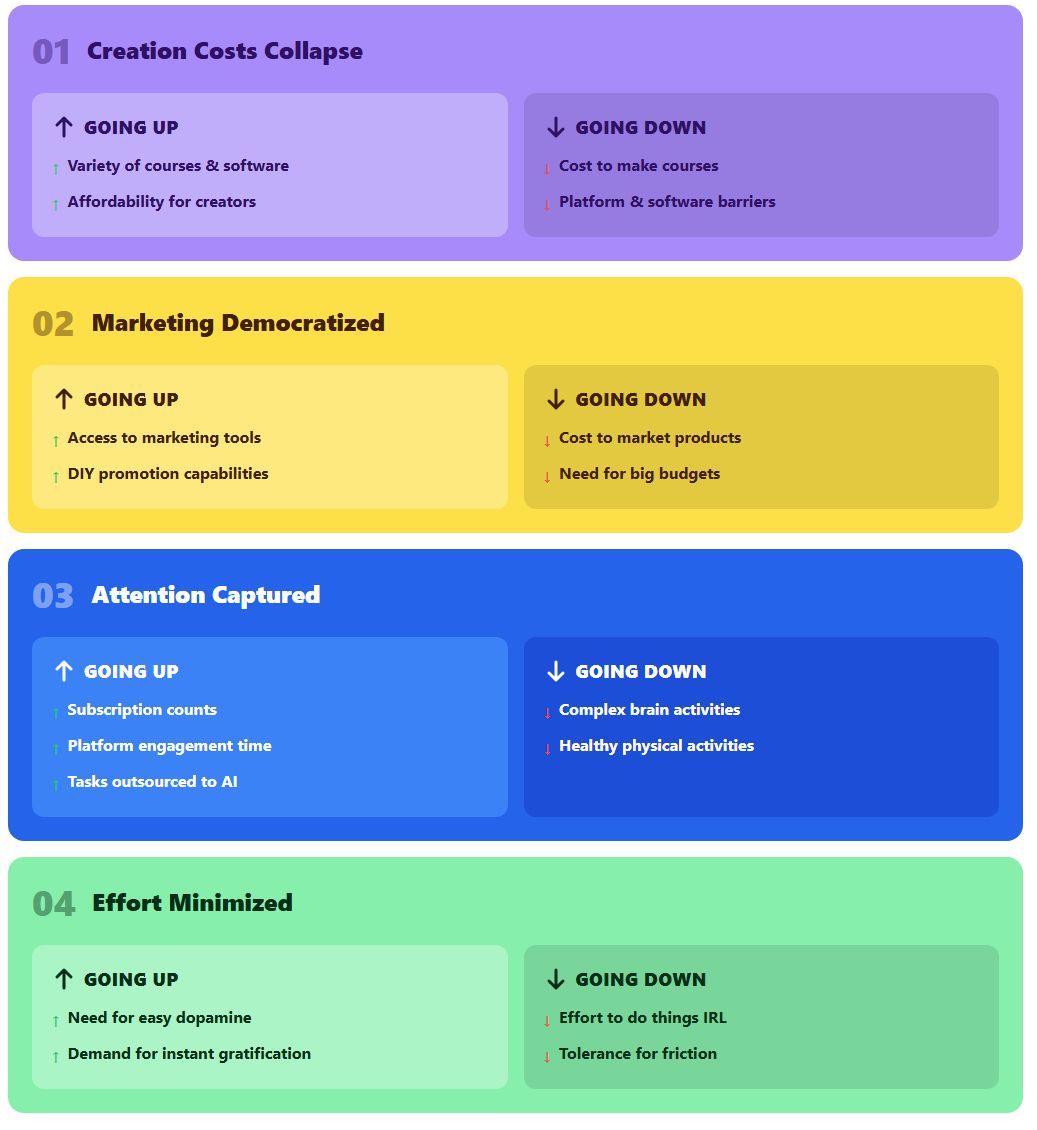
Now, the basic loop running here is:
-
Costs to make courses, platforms & software down, variety and affordability up
-
Same for marketing this stuff
-
Subscription count, engagement time on platforms & tasks-requiring-thinking outsourced per capita up, complex healthy activities for the brain & body down
-
Perceived need for even easier dopamine amongst a population up, effort to do stuff IRL down

This loop continues until there are two likely options left:
1. The road too-easy to-travel: Let algorithms control your nervous system, behavior, purchases & lifestyle
2. The path-just-unfolding: Go back to Planet Fun.
The road too-easy-to-travel: Let algorithms control your nervous system, behavior, purchases & lifestyle
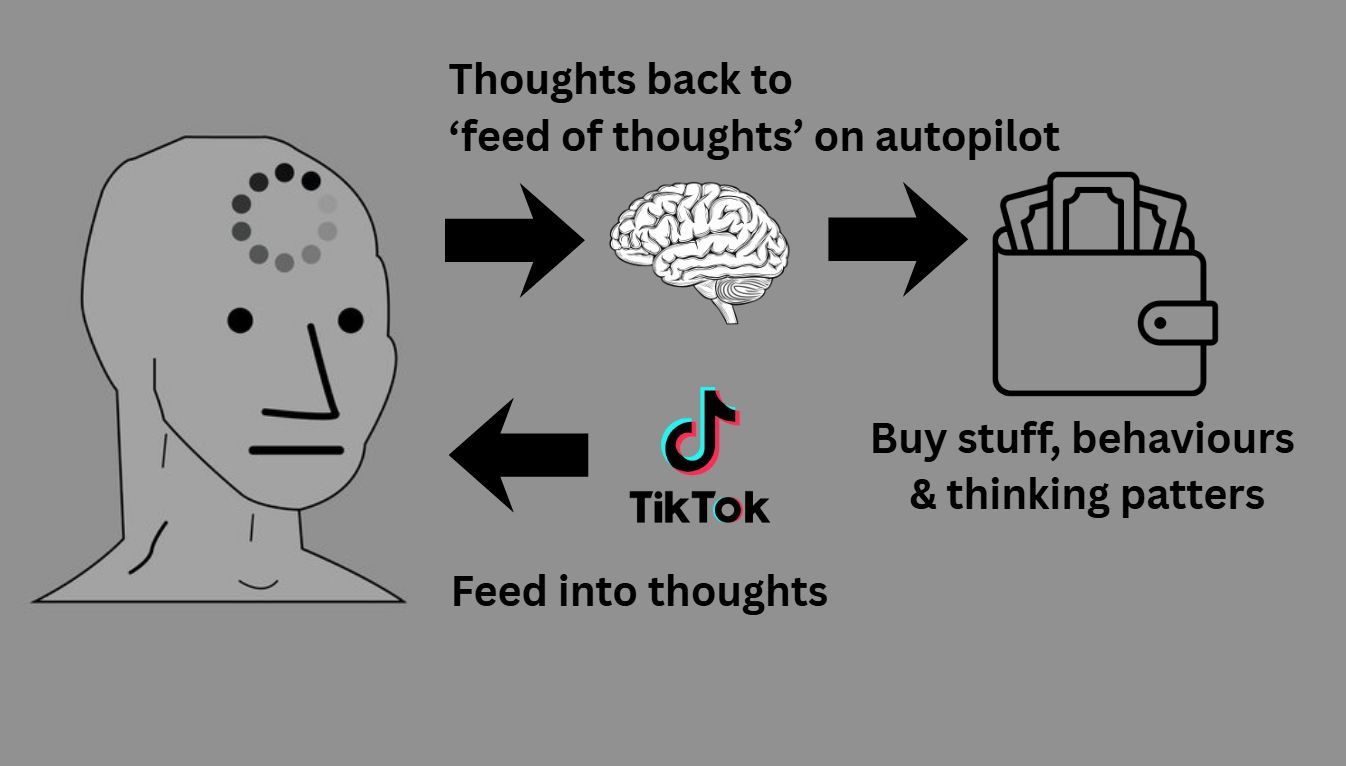
Nothing to see here, at least not consciously. Improve your NPC & autopiloting skills while leaving independent thought process behind. Each to their own?

Let’s move on to the more intriguing option:
The path-just-unfolding: Go back to Planet Fun (& Sun-Run)


The saturation point of SaaS is slowly becoming real, and the product layer is about to disappear soon.
The questions that you might ask are:
Will there be ANY software ‘product’ you can’t operate without as a business?
Will there be ANY subscriptions left for the consumers that aren’t optimized to extract the maximum energy & money out of you?
I’m betting the answer is YES to both of these questions.
Grid > SaaS
Do you have a family member or a friend who picks their power company based on what kind of dashboard they offer for users?
I don’t, yet many people will make decisions based on this in SaaS.
Once the product layer is removed, what we have left is what I call the Grid.
Grid operates with electricity and doesn’t ever ask you how many seats you need.
And it doesn’t send you to any pricing page on their funnel lol.
So, software vendors might become like power companies, and you can just use the grid for various tasks, whatever that might be for your business.
Community & Games > Courses & Corporate
“Here’s something they didn’t teach you at Stanford, Ben. Whenever you can, put a company in your mouth.”
-Boby Axelrod, Billions
While the quote above is about hedge funds eating companies for breakfast, affiliates literally put a company in their mouth while shouting on top of their lungs to get some buyers.
And with the leverage of social media, that works like a charm.
Remember how selling courses & participating in the creator economy as a one-woman or one-man shows were shilled as the hottest thing ever?
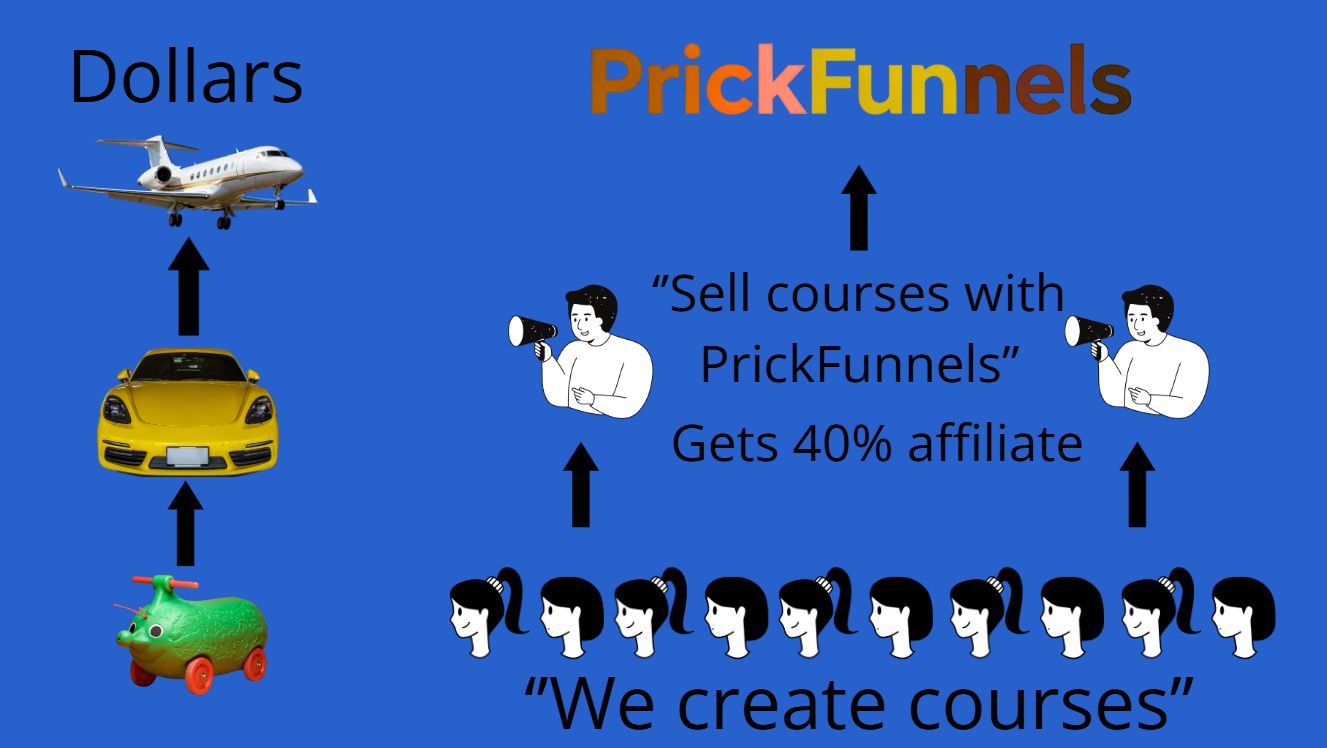
Most course creators don’t get a single buyer, but the guys & gals selling shovels for them to dig the gold make Porsche money.
The incentives that led to that situation are laid out below:

So…
…how do you STOP getting farmed by these business-opportunity-narratives?
I think we have much to learn here from Naval:
“Following your genuine intellectual curiosity is a better foundation for a career than following whatever is making money right now.”
-Naval Ravikant, the philosophobillionaire
Curiosity will lead you to all kinds of fun things…
Enter Planet Fun.
Need For Being Surrounded by Like-Minded People Vs Courses
On Planet Fun, nobody takes your attempts to educate people seriously.
Or maybe they do if you do it in an amusing way.
Nevertheless, imagine entering a house party as you saw one of your friends going and then turning up there, seeing somebody making a presentation, and people just nodding their heads.
You might grab a beer while watching it, but eventually, you’d get bored.
That’s what buying a course is like.
Now, imagine showing up to the same party, seeing there’s a bunch of people dancing to the music, someone jumping to the pool, and a few joining after them, a group of people gathered in the corner just chilling out, and someone offering you a free beer or whatever drink you fancy and introducing you to some cool folks with same interests as you have.
That’s what belonging to an online community is like.
(At least compared to buying a course!)
And no wonder that plenty of companies are aiming to take over this emerging market, including names such as Circle, Kajabi, Discord, Mighty Networks, Skool, and others.
Here’s a quick overview of how some of them have positioned themselves to win the community hosting race:
Kajabi: The Home for Coaches & Consultants
People who value simplicity and are willing to pay more to avoid dealing with plugins, custom code, and multiple integrations might find themselves at home here. Kajabi wants to attract established or growth‑stage creators with some audience and revenue already, since recent pricing and positioning skew more toward serious businesses than hobbyists.
Skool: The-Anything-Goes Community Ownerverse
On Skool, you can find some pretty niche-niche communities, such as animal care for goats & alpacas, and all kinds of lifestyles that one might be interested in.
To understand how Skool gained its current position, we need to dig a bit deeper than looking at what kind of communities there are nowadays and what shows up in Discovery.
If you take a look at some of the older Skool reviews on this website, you’ll quickly grasp that even Skool, which prides itself as a friendly community all-fun-and-games, was once filled with hustle culture and people looking to just turn a quick buck.
Skool was essentially facing a big problem as the biggest communities focused on teaching how to make money on Skool (and you can see how that’s problematic by looking at the incentives picture presented earlier!).
Luckily, they managed to tackle it by having a lower creator tier that might have cost them quite a bit of lost revenue.
Discord: The den for gamers, crypto enthusiasts & streamer audiences
Discord initially became popular by solving a very concrete problem for gamers: They came up with a free, high‑quality voice and text chat that was easier and better than incumbent tools had at the time.
Their design is extremely user-friendly, as you have customizable servers and inside them, categories for channels. Even in large communities, it’s somewhat easy to stay up-to-date on the latest events and discussions (at least if you use your notification settings in a sensible manner!)
One funny trend forming among crypto projects in the last few years is engagement farming for the sake of qualifying for a ‘Discord airdrop’, where a user expects to get free tokens for their activities. But who’s the one getting value here? Talk about farmers getting farmed…
Why The Corporate Game Might Get Replaced With Something Unexpected
Prediction of massive job losses by Anthropic’s Dario Amodey is not only very near in the future, but also something that gives room for new types of ‘work’ to emerge.
Who could have predicted all that the internet would become when it was first born?
Similarly, who can predict what are all the ways to find meaning (and have fun) if most people suddenly get kicked from the servers of Corporate?
Humans tend to get creative when bored.
And they get extra creative when bored for extended periods of time.
My bet is that whatever the replacement is, it’s going to be something unexpected, engaging, and fun.
I simply don’t buy the doom-scroll-your-eyes-out narrative.
I’m betting on the return of what is Nostalgia to some and completely new to others (mostly those who’ve never seen modems) – with some futuristic twist yet to be revealed!