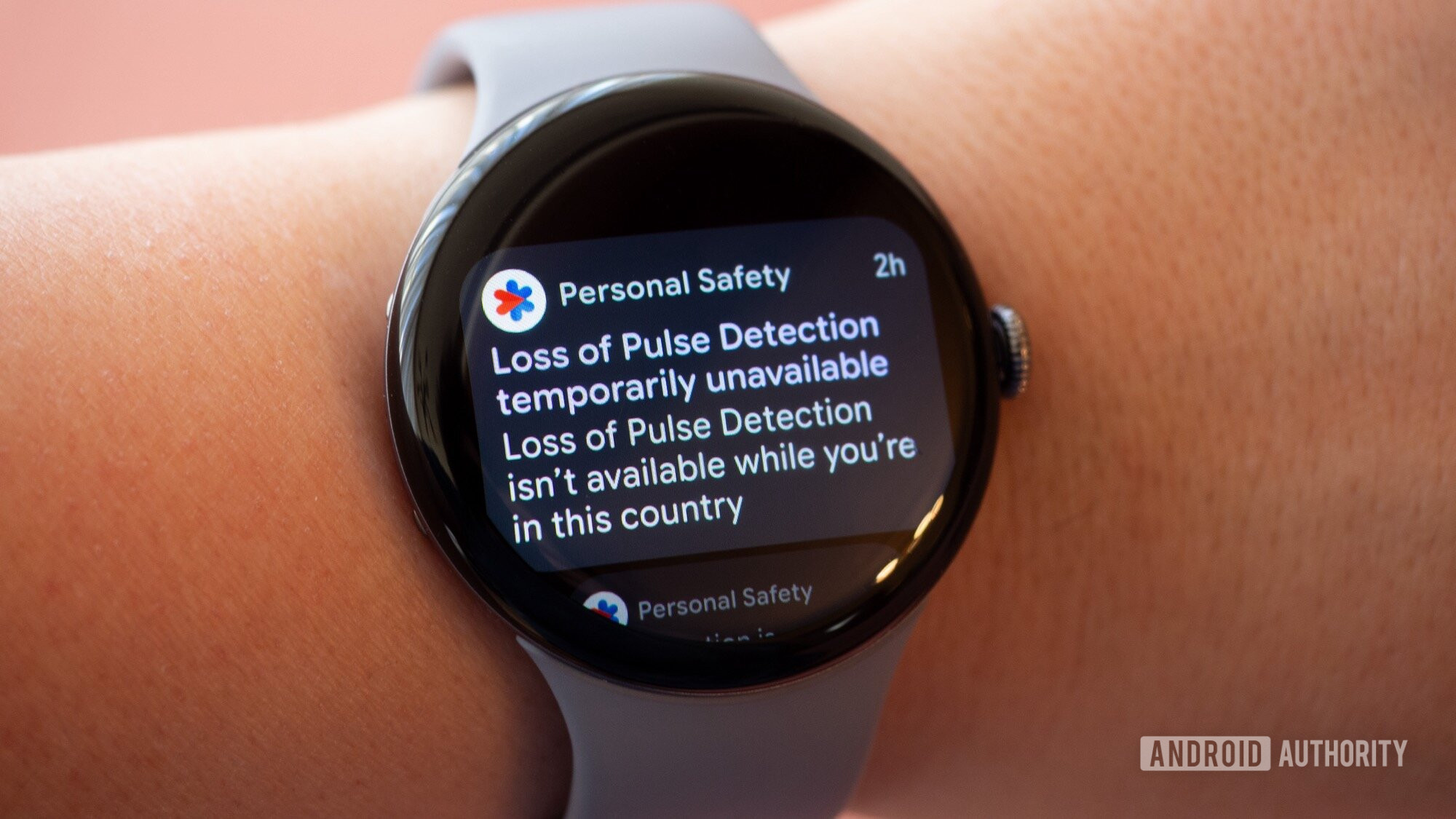
A couple of weekends ago, as I crossed the French border into Belgium, my Pixel Watch 4 greeted me with three important warnings that no longer surprise me. All of the Watch’s personal safety features — the ones that I rely on and that I wear this particular smartwatch for — are unavailable while roaming. I was literally a couple of miles away from France, but tough luck!
I’ve gotten so used to this Pixel Watch (and Pixel phone) limitation, but I still think it’s absolutely silly and should be talked about a lot more so users know what to expect when they put their money down on this watch.
Traveling? No car crash detection, no fall detection, no loss of pulse detection!
Rita El Khoury / Android Authority
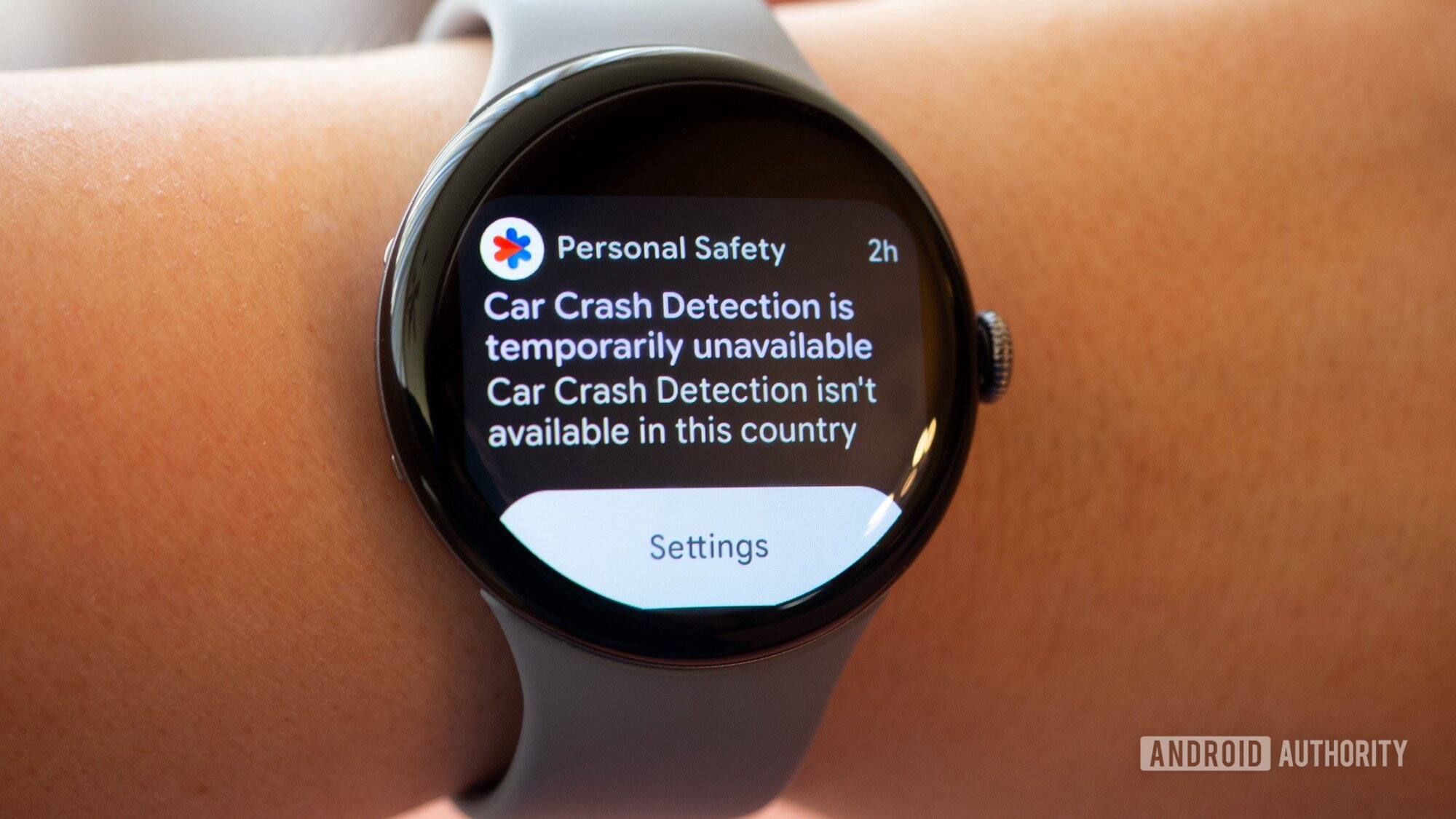
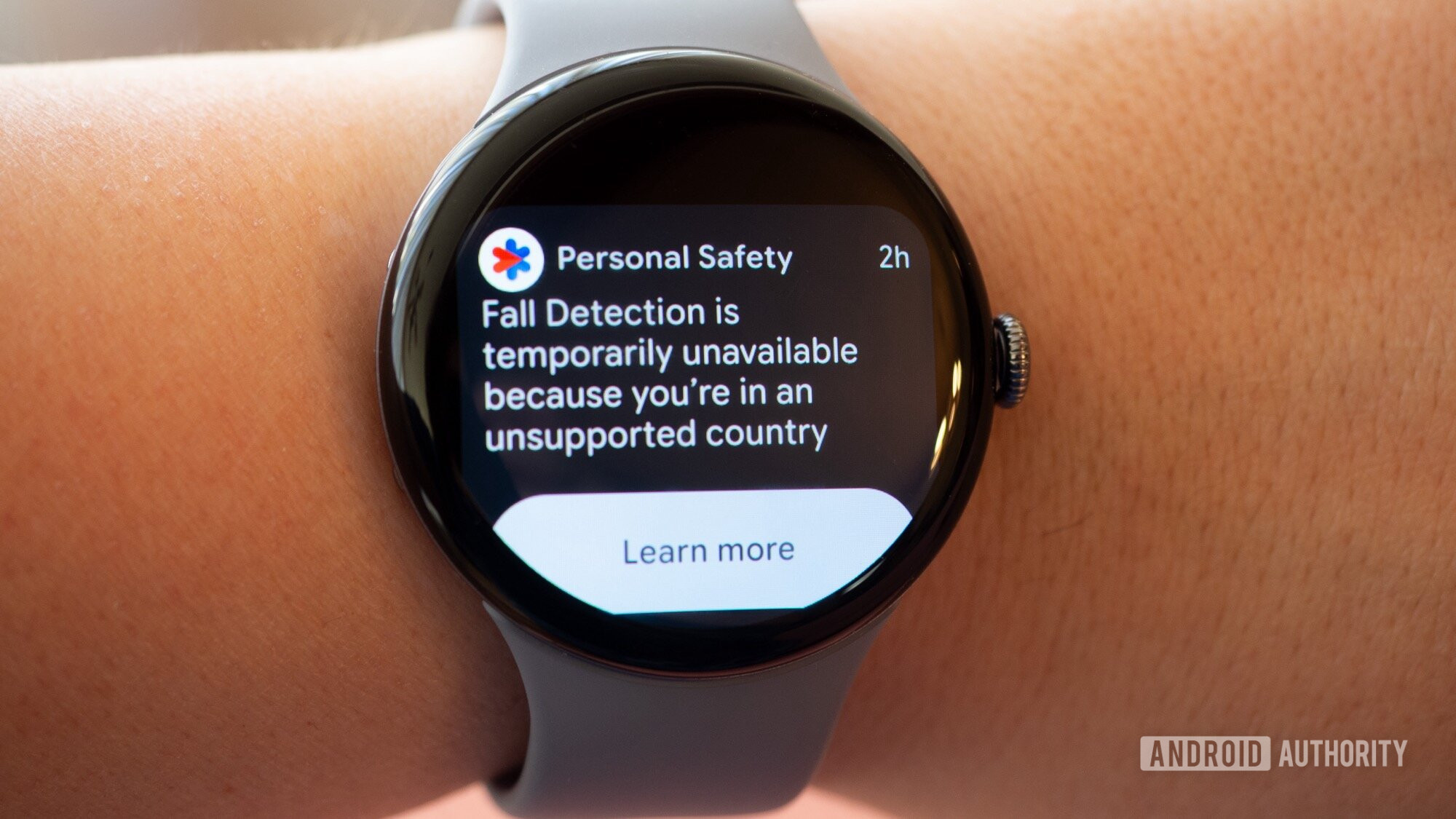
So what’s happening here? Well, I can’t be 100% sure, but it seems like every time my Pixel Watch detects that I’m roaming and no longer in the country of my phone’s main SIM card (I think it looks at the default calling SIM card), it will immediately turn off all three of its crucial personal safety features: car crash detection, fall detection, and now also loss of pulse detection.
This isn’t new; it’s been happening for years, and I’ve already talked about how my Pixel lets me down on trips, but it’s worth highlighting again for anyone who doesn’t travel frequently and hasn’t seen the three dreaded “not available” notifications yet, or for anyone planning to buy this watch thinking it’ll protect them everywhere.
The moment your phone starts roaming, all of the Pixel Watch 4’s safety features cease to function.
The safety features extend to the limits of your SIM’s official border support, not beyond. Even if you travel to a country where the feature is officially supported, like Belgium in my case, it gets turned off. And even in Europe, where roaming is free and people cross borders all the time, you lose all safety privileges.

Rita El Khoury / Android Authority
I know this because I have a French SIM card that allows me to make calls and use data for free inside the EU. I can even call 112 for emergency services in whichever country I’m in without adding any prefix or paying any extra charge. Yet, even crossing the French border for 15 minutes to Mons in Belgium results in my Pixel phone stopping car crash detection and fall detection, and my Pixel Watch deactivating both of those, plus the crucial and potentially life-saving loss of pulse detection.
Imagine you trip while walking, get into an accident in your rental car, or have a cardiac event in your hotel room. Your $350+ smartwatch, which was sold to you based on some of its safety features, can’t and won’t do anything about it. I’d argue that the solitude of travel and the incapacity you feel in a foreign country make this kind of protection and help even more crucial to have abroad, but hey, I’m not the one drawing imaginary red tape around Google services’ geographical presence.
Rita El Khoury / Android Authority
I’ve informally talked to Googlers about this during MWC in Barcelona and IFA in Berlin (the perfect opportunity to mention the silliness of a safety feature getting disabled when they travel), and no one understands why this happens. Everyone thinks it’s silly, especially when your phone is roaming and can call emergency services. There should be no geographic restriction, especially not in countries where the feature is officially supported.
Google is drawing imaginary geographical red tape around its most crucial features instead of adding a simple disclaimer.
So if you’re in the process of buying a Pixel Watch or Pixel phone of any kind, or if you already have one, and you’re about to embark on a trip, don’t be surprised to see these warnings. And don’t make the mistake of thinking you can rely on these features in the case of an accident. If you want to guarantee access to them, you need to buy a local SIM (travel eSIMs that only offer data and/or rely on roaming won’t work either).
Meanwhile, I’ll keep banging on about this every year or two until the situation changes and someone at Google with enough reach decides to see why this silly restriction exists and what they can do to remove it or at least alleviate it.
See, all of these safety features already come with disclaimers clarifying that they might not always work or they don’t replace a doctor, so I’d be happy with another disclaimer saying, “Hey, you’re roaming, this feature requires reliable phone service to work properly, so it might not work all the time, or it might cost you extra, but we’ll do our best to connect you to emergency services or your emergency contact if we detect something is wrong.” Add an agree or disagree box, and let the user decide whether they want to keep these features working or they’d rather turn them off. Problem solved. But creating an artificial barrier around them is not the solution.
Don’t want to miss the best from Android Authority?


Thank you for being part of our community. Read our Comment Policy before posting.