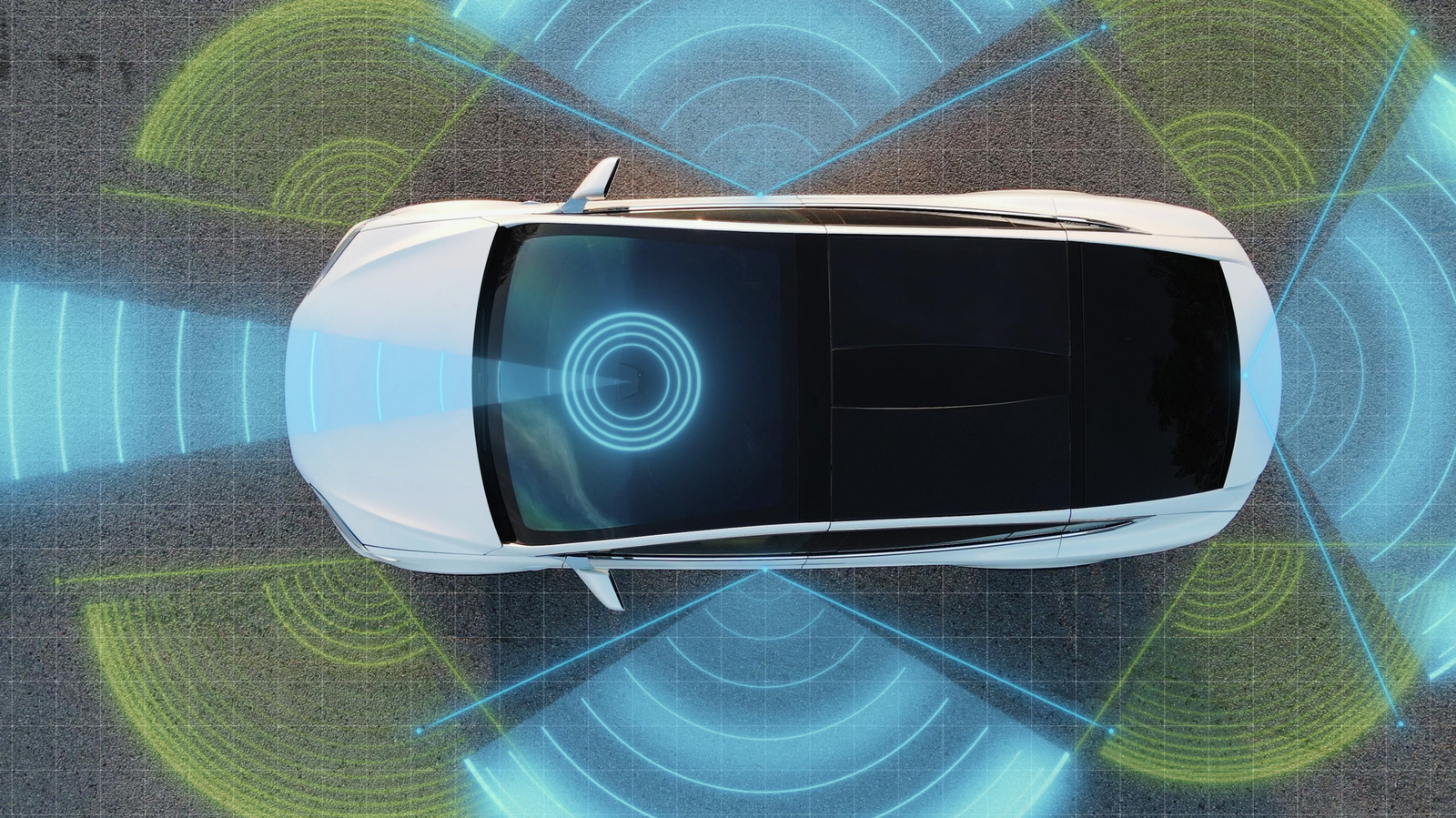
Have you ever been warned about the dangers of laser pointers, and how looking right into one can permanently damage your eyes? That’s not the only kind of damage a laser light can do if used improperly. For example, if your car is equipped with a lidar sensor, it could completely destroy the sensitive lenses in your smartphone’s camera. The lasers produced by a car’s lidar sensor may be invisible and generally harmless to the human eye, but a sensitive piece of optical equipment like your smartphone’s camera is another story.
The camera sensors, not to be confused with the lidar sensor on your iPhone, can detect this powerful laser light, and when beamed directly into the camera’s lens, the result is fried pixels. The odds of your car’s lidar damaging your phone are fairly low, so long as you don’t point your camera lens directly at your car’s lidar emitter or use a zoom lens.
Lidar’s powerful laser light can fry a camera lens

“LiDAR” is an acronym for “Light Detection and Ranging,” a form of laser-based remote sensing technology. Similar to radar, lidar is meant to gauge distances and the presence of objects around its point of origin. A lidar sensor fires off a quick burst of laser light, then measures the amount of time it takes for the light to bounce back. This technology is used on newer cars to create a 3D map of the vehicle’s surroundings, which is invaluable for autonomous vehicles driving through snow or around obstacles.
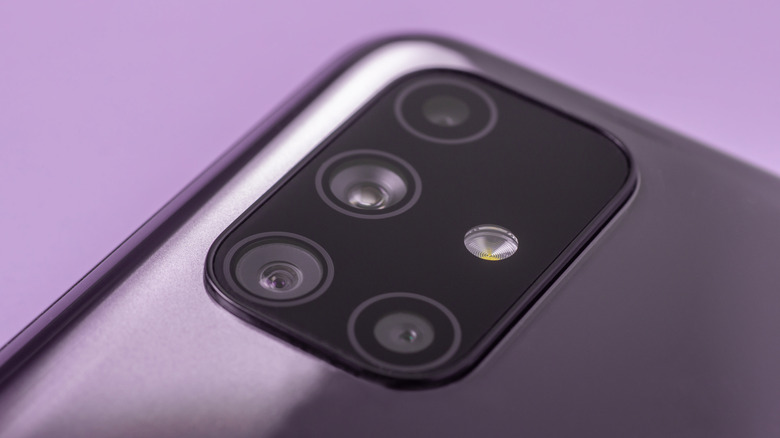
The light from a lidar sensor is in the infrared spectrum, which is invisible to the human eye. Even if you stood right in front of the unit on a car, you wouldn’t see anything without something like a thermal camera on your iPhone. However, the lenses on your smartphone camera are a different matter. The imaging sensors can perceive a lidar sensor’s lasers when those lasers are beamed directly into them. This can result in a severe burn-in effect.
You can see this happen in real-time in a video posted to Reddit, in which a user held their smartphone camera up to a Volvo EX90 and experienced fried pixels upon zooming in. This video went viral after it was posted, prompting automotive website The Drive to reach out to a Volvo representative for comment, who responded, “It’s generally advised to avoid pointing a camera directly at a lidar sensor. The laser light emitted by the lidar can potentially damage the camera’s sensor or affect its performance.”