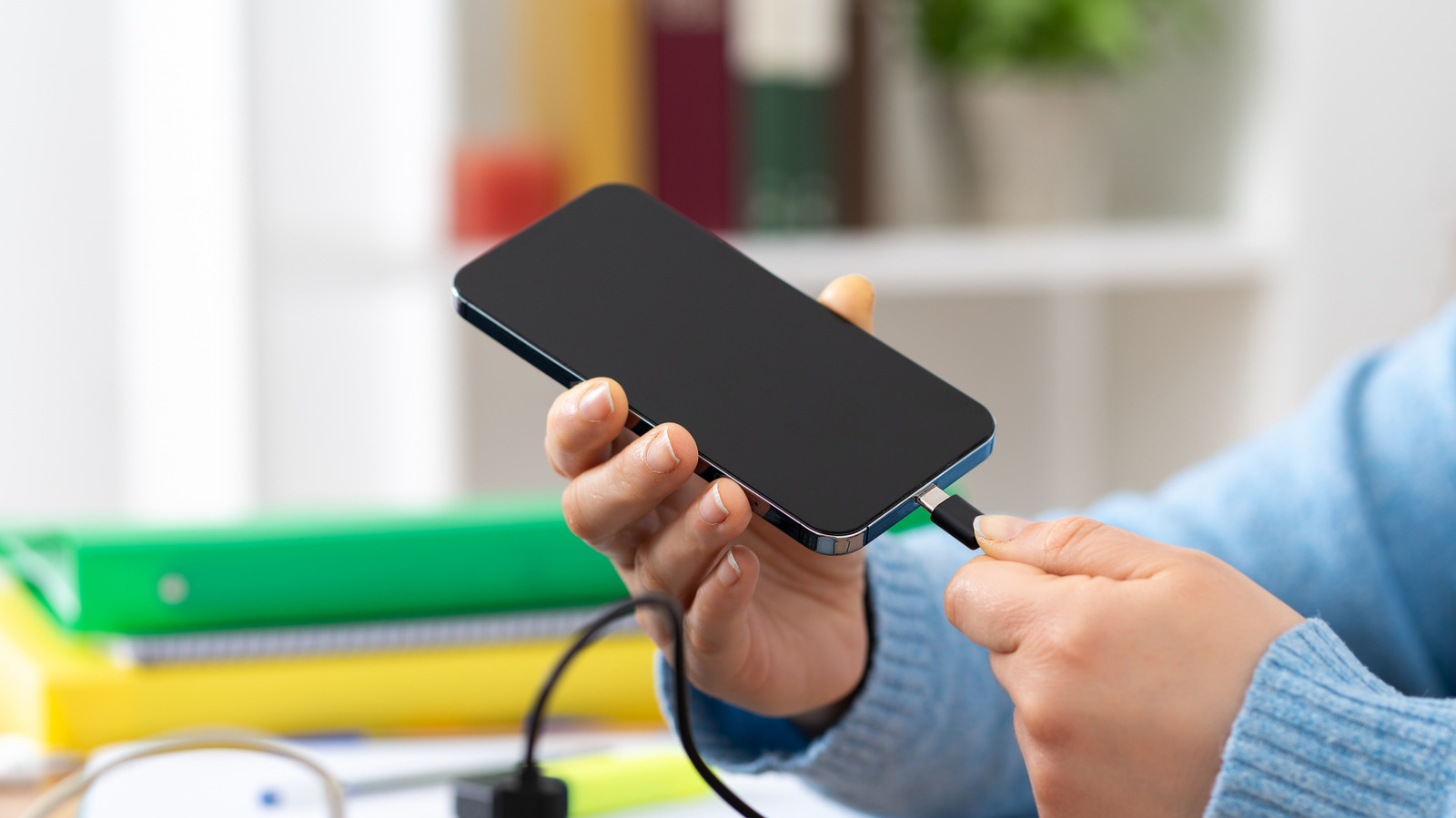
If it feels like all of your devices use USB-C now, you’re not wrong — especially after Apple switched to the standard with the iPhone 15 series. But finding the right USB-C charger can still be a challenge. Sometimes, the phone supports fast charging but the charger doesn’t — other times, the phone can’t draw as much power as your fast charger is putting out. That’s why it’s important to know whether your specific combination of phone and charger works well together, particularly if you’re using a third-party USB-C charger.
Many modern smartphones support 40 to 45 W charging, like the latest iPhone 17 charging up to 50% in 20 minutes with its 40 W adapter. Some phones even go beyond this now, with Samsung’s Galaxy S26 Ultra rated to hit 75% in just 30 mins using a 60 W charger. But both of these models, and many others in their price range, don’t include a charging adapter in the box. When you visit a store to purchase one, you’ll find options ranging from 20 to 45 W and beyond, all promising fast or super-fast charging. So, which is the right USB-C charger for your device? Let’s find out.
Understanding how modern fast charging works

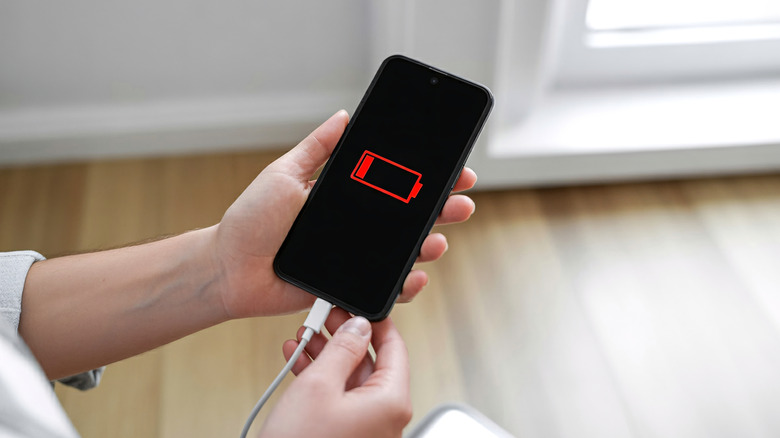
One of the most common misconceptions is that a higher-watt charger will always charge your phone faster. But that’s almost never the case, especially with newer smartphones that come with built-in protection. Plugging a phone rated for 25 W charging into a 45 W or 60 W charger doesn’t force extra power into the battery — the phone will only draw the power that it’s designed for. Even with a compatible charger, it doesn’t consistently draw the same amount of power. When the battery levels are low, it draws more — but as your phone nears the 75 to 85% range, power consumption drops. This is why phones charge quickly from 10 to 70%, but feel significantly slower to get from there to 100%.
Another factor here is that wattage is only the ceiling — whether that’s 25 W, 40 W, or 60 W. Even then, the phone will only charge at its maximum advertised speeds if it can be negotiated with the charger, and many phones require a specific standard like USB PD or PPS to do that, regardless of wattage. This also means that every element in the charging chain — from the adapter to the cable to the phone itself — needs to support both the maximum wattage rating and the underlying standard in order to hit the top charging speed.
If you’re concerned about the effects of fast charging on the battery, it’s not as problematic as it used to be. Modern smartphones have better battery management systems to optimize the charging rate and keep the battery temperature in normal operating ranges. Ultimately, heat is your phone’s worst enemy, since prolonged exposure to higher temperature can degrade the battery’s effectiveness and reduce its lifespan.
Does a fast USB-C charger always help? And which one should you buy?
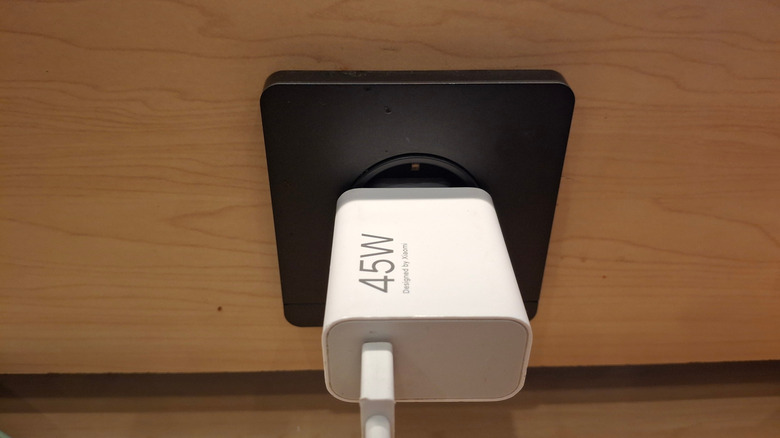
A fast USB-C charger only helps when connected to a compatible handset. Even then, the real-world effects are smaller than what most people expect. While charging your phone from 10 to 100%, you will likely save 10 to 15 minutes compared to a standard charger. The real difference is at low battery levels. So, if time is of the essence and you usually charge the phone to mid levels, a fast USB-C charger can come in handy. On the other hand, if you typically charge the phone overnight, a 10 to 25 W charger will be a more cost-effective choice.
But if you’re shopping for chargers and cables and you insist on the absolute fastest charging, make sure they’re rated for the same maximum wattage and support the same fast charging standards as your phone (whether that’s USB PD, PPS, or a proprietary standard like Qualcomm Quick Charge). Also, if you charge multiple devices using the same charger — say your laptop, tablet, and phone — a fast charger with a higher wattage rating makes more sense, as you won’t have to get a different one for each. But for phone-only charging, you’re probably better off with a smaller, more cost-effective USB-C charger that meets your handset’s actual requirements, not a bulkier, fancier charger that saves 10 to 15 minutes of your time.