




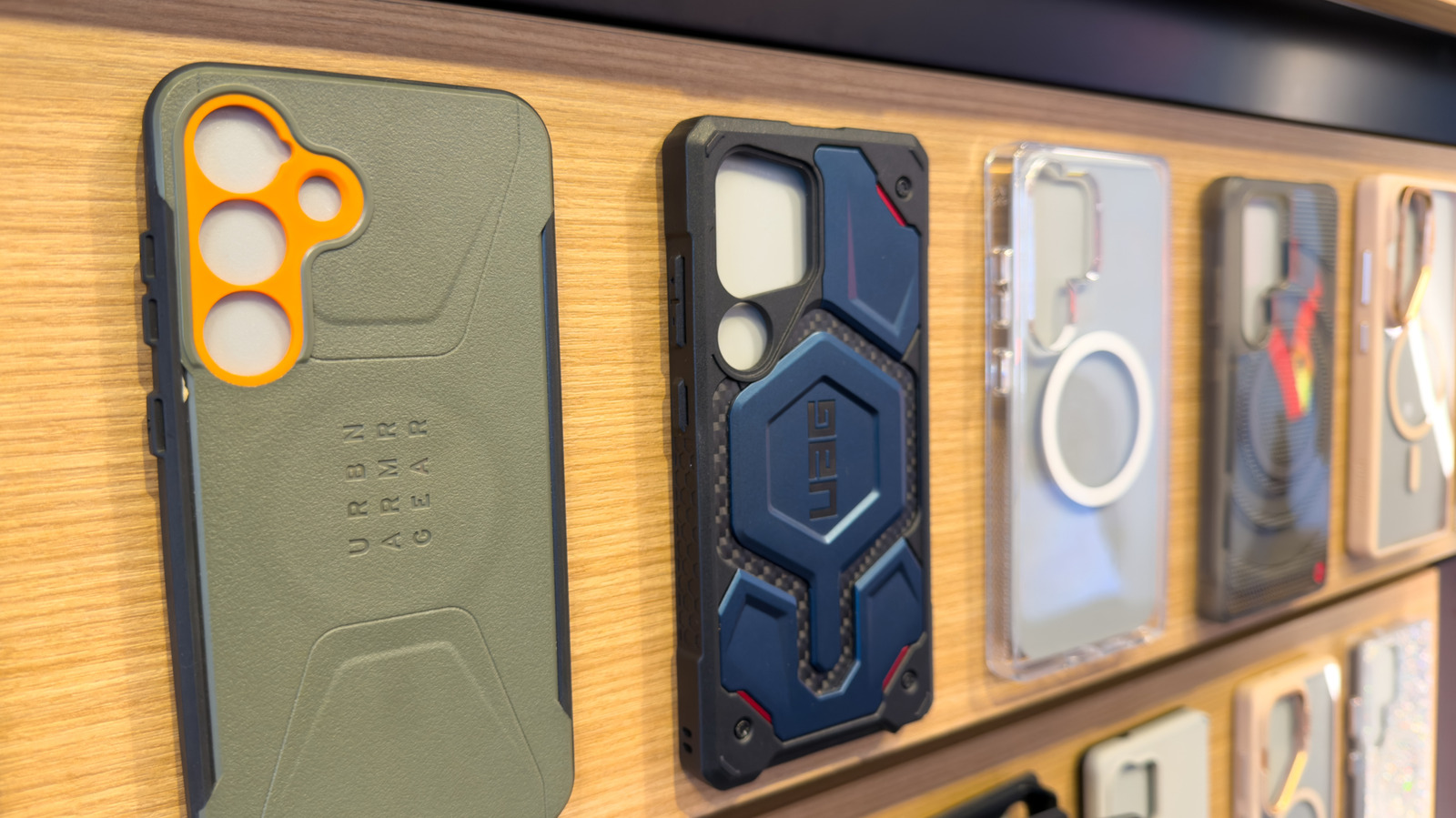
A few different camps have formed around how we choose to protect our smartphones. Some people prefer to go without any case at all, risking the possibility of every drop being the one that cracks the screen or scratches the device. Others use a simple case for protection and peace of mind, as long as it keeps the phone sleek and thin. But a third camp prefers to stuff their phones into thick and bulky cases, sometimes under the impression that it will protect their device from any drop. But are they right, and are these bulky phone cases worth it?
Ultimately, I believe rugged cases are absolutely worth the bulkier look they bring to the table, even though I’ve always found myself steering toward the naked phone camp. However, with new flagship devices like the Galaxy S26 Ultra costing upwards of $1,000, going without any kind of protection just seems like an unwise move, because you never know when you’re going to need that extra protection. Of course, that extra bulk can also be a downside, as it sometimes makes it feel like you’re carrying a brick in your pocket instead of a sleek phone. But it’s worth it in the right scenario.
Once, I was working on the outside of the house, and I needed to check a dark crevice. Not thinking, I just pulled out my phone’s flashlight. When the light hit the crevice, it sent some wasps scattering directly at my face, which made me drop the phone. Thankfully the case I was using was rugged enough to protect the phone even though it landed on a rock from about five to six feet up. So, if you want to determine whether these cases are a good fit for you as they are for me, you need to look at a few different factors.
What’s the difference between rugged and thin phone cases?

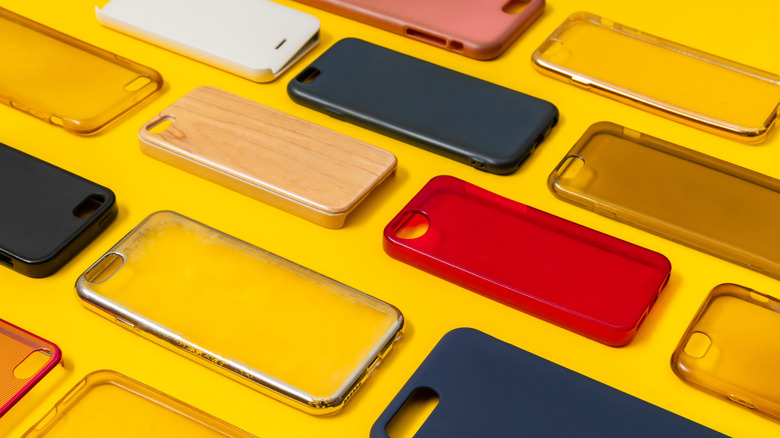
Most of the time, rugged phone cases have that extra bulk because manufacturers add more rubber or a special type of thermoplastic polyurethane (TPU) to provide more shock absorption. Raised bezels around the screen have also become a very common feature of rugged phone cases, and while they can provide some resistance to touch screen gestures, they also help protect the display from hitting the ground directly when falling.
On the other hand, a lot of thinner, non-rugged cases are made from thinner TPU, silicone, or just hard plastic. While TPU and silicone can offer some protection in thinner designs, they lack the extra shock absorption found on the bulkier cases. Slim models are usually good for protecting from scratches and minor dings, but usually don’t offer much protection from drops, especially if they’re mostly made of plastic. Cases made of materials like wood and leather are more like fashion items than protective shells.
But thickness is not everything. Some great cases out there, like those from Mous, are thinner and provide enough protection for users to consider the manufacturer one of the most durable phone case brands.
How much protection do you need?
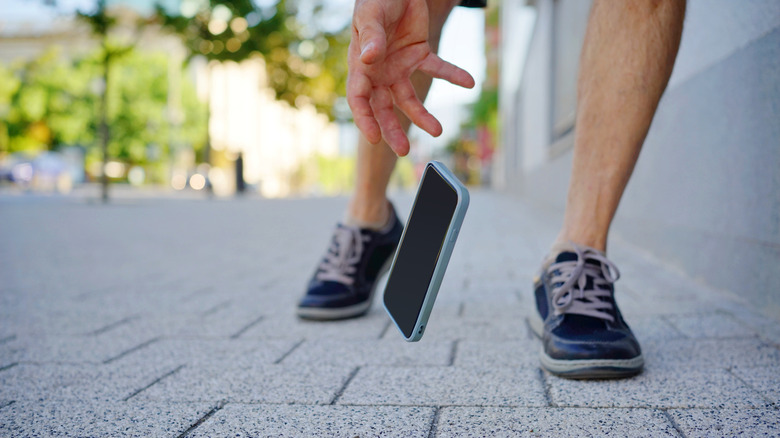
If you have a strong grip and never leave your phone in a backpack full of items that may scratch it, then using a thinner case is probably fine. However, if you have butter fingers, drop your phone getting out of the car, or go to places where a simple fall can kill your device, then the extra protection of a rugged case will be worth the bulky look. When my phone flew off my desk when one of the cats ran across it with the zoomies was when I realized that investing in a rugged case is a good option even if such accidents aren’t your fault.
Rugged cases often have higher grades of drop protection than thinner models. OtterBox claims its Drop+ cases passed over 24 drop tests thanks to their thicker exterior design. Such a design allows the shock energy of a fall to be transferred and released along the case instead of directly on your phone. It’s a lot like how kneepads or helmets protect your body from hits in an accident. If you don’t trust these certifications, their importance might become fully clear when you do drop your device and end up with a broken screen or a dead phone, so don’t ignore them.
While there are some absolute chunk cases out there, like the Dbrand Tank, others like the OtterBox Commuter Series are a bit more refined and offer bulky protection without being too thick, which is perfect for people like me who don’t want to sacrifice sleekness for device safety.
Does your case match your lifestyle?

Your lifestyle is another important factor to consider in your case choice. I carry my phone with me all the time, whether it’s out on vacation hiking, sitting at my desk, or working in the yard. As such, being able to embrace protection as much as possible is a good match for my lifestyle overall. That’s why I tend to gravitate toward rugged cases, despite preferring the sleek and naked design of my phone.
But if you don’t find yourself doing a lot of those same things, or don’t have a more intense lifestyle, the bulk of a rugged case isn’t going to be a priority — nor does it need to be.
Bulky cases have their place, but if you spend most of your time at a desk, never really putting your phone into intense or risky situations that might damage it, then a thinner case — or even no case at all — might be perfectly fine. Look at how your day usually plays out, think about where you usually put your phone during work, your trips to the gym, and your other daily activities. Then, use that to gauge whether the chances of dropping your phone are high or low. If the answer is high, then a rugged case is definitely worth the thicker look.


