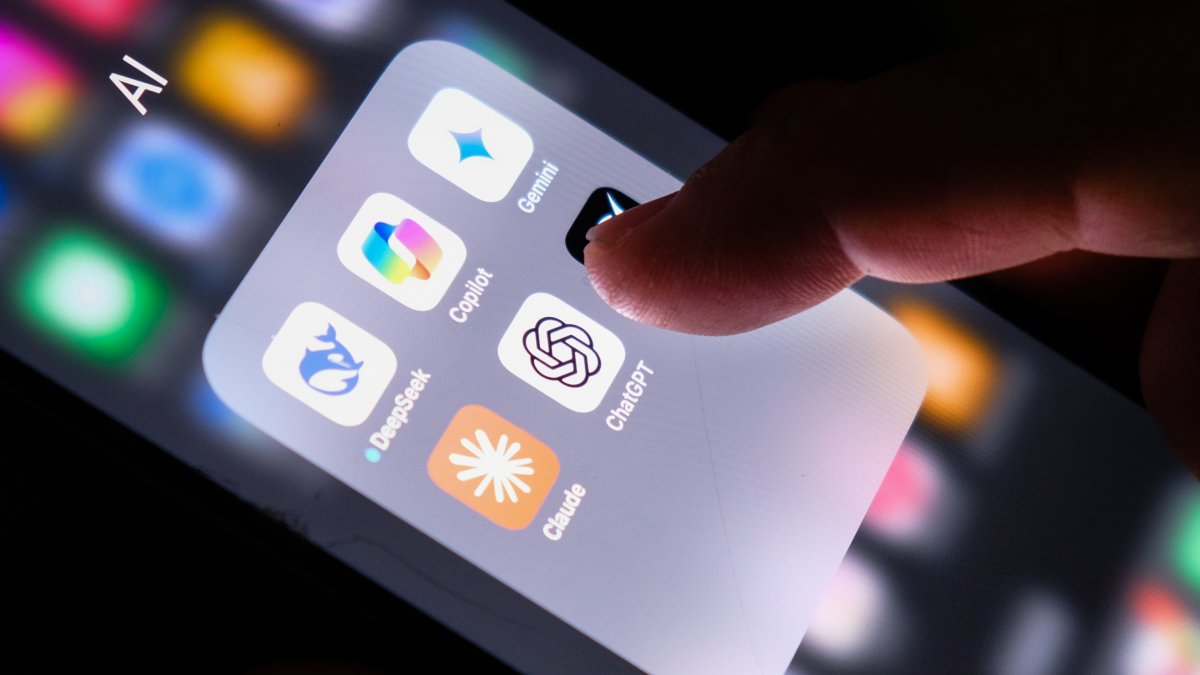
Whether it’s Grok, ChatGPT, Gemini, Claude or another virtual assistant, people are turning to artificial intelligence to help them with many things in their lives. Now some are combining AI technology with taxes.
“You can use AI to do your taxes, but we need to be aware that AI makes mistakes,” says artificial intelligence expert Jon Hernandez.
That’s the important message AI experts want people to understand.
You can use artificial intelligence for your taxes, but how you use it is critical.
“I use it to understand new tax strategies or new tax rules, but at the end of the day I’m still responsible for filing my taxes,” says Carlos Garcia, president of Finhabits.
So if the chatbot gives you a bigger return than you’ve had in years past, you can’t blame AI when Uncle Sam comes calling to investigate. You must ensure that the information is correct.
“You can prepare it with AI,” Hernandez said. “That will save you a lot of expert hours, but I feel more comfortable if someone who is an expert in this field can review them to make sure everything is in order before you file your taxes.”
And this year, there are several changes due to legislation passed as part of the Trump administration’s “One Big Beautiful Bill,” including a standard deduction increase, a child tax credit and new deductions for seniors over 65.
The AI platforms may not be aware of every exemption you qualify for.
According to a recent Invoice Home survey, 37% of taxpayers said they would consider using AI instead of a professional tax advisor or accountant. That is less than in 2025, when that number was 43%.
Bottom line: “You should use it to optimize your work, but you shouldn’t use it to rely 100% on AI,” Garcia said.
And don’t forget that your tax return contains sensitive personal information, such as your Social Security number, information you may not want to share with AI.