



Living in a rural area can make slow speeds, satellite service, and long contracts feel inevitable, but expanding connectivity is changing those expectations. No-contract internet options in rural areas can offer more flexibility, depending on your location.
Finding the right fit means checking speeds, coverage, and cancellation terms before comparing providers for your work calls, gaming sessions, and everyday streaming.
Rural Internet Has Changed More Than You Might Think
Rural households can find internet service without an annual contract. Your options depend on which providers reach your property and the plans available there.
The Federal Communications Commission (FCC) reported that the percentage of rural Americans lacking access to fixed terrestrial broadband offering 100 megabits per second (Mbps) downloads and 20 Mbps uploads decreased by over 44% over two years. That measures expanded availability, rather than how many households purchased service.
Even if you checked availability a few years ago, it’s worth checking again. Your current connection needn’t remain the default simply because it was once the only choice. For someone planning to work remotely or bring a small business online, reviewing local offerings is a practical first step before deciding what is feasible from home.
What to Look for in a Rural Internet Provider
Picture your household’s busiest hour online. Perhaps you’re presenting on a video call while someone streams a movie and another person downloads a game. That combination gives you a more useful starting point than choosing a speed tier in isolation.
The FCC’s household broadband guidance defines medium service as 12 to 25 Mbps and advanced service as above 25 Mbps, depending on simultaneous use. These rough guidelines aren’t performance guarantees. Alongside downloads for entertainment, account for uploads when your work involves sending files or joining video calls.
For contract flexibility, distinguish bill frequency from commitment length. Receiving a monthly bill doesn’t establish whether a plan carries a minimum commitment. The service agreement should explain early termination charges, cancellation procedures, and equipment returns. Review those obligations before ordering, particularly if you expect to move or change providers.
Coverage and support deserve their own discussion. Explain where you’ll use the connection so the proposed setup addresses whole-home Wi-Fi, including your office and other frequently used rooms. If connectivity supports your livelihood, find out how remote troubleshooting and on-site assistance work.
Finally, read the data policy for conditions that could affect performance during busy periods. A plan’s advertised maximum speed doesn’t explain every aspect of everyday service.
Types of Internet Connections Available in Rural Areas
The connection type explains how service reaches your home. Rural households may encounter these categories:
- Fiber: Data travels over fiber-optic lines to connected properties, with symmetrical plans offering matching upload and download speeds.
- Fixed wireless: Nearby infrastructure transmits a signal to equipment at your property.
- Satellite: A dish communicates with satellites without requiring a wired connection to your home.
- 5G home internet: A gateway connects your household to a cellular network.
Investment is helping expand the landscape. The United States Department of Agriculture’s ReConnect overview reported $4.53 billion in cumulative investments to create or improve rural high-speed internet access, including funding announced during the program’s fourth round. This historical figure provides context for infrastructure development, rather than a timetable for connecting any individual property.
Rural Internet Providers to Consider
The providers below offer different routes to rural connectivity, including no-contract options.
1. Highline Internet
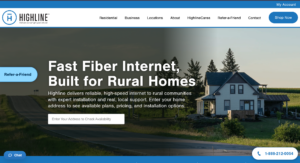

For fast, reliable speeds up to 2 Gig with whole-home Wi-Fi built to keep up with what you do, consider Highline Internet. Its rural-focused fiber offering combines speed, contract flexibility, and tools for managing your connection.
Highline Internet advertises no annual contracts, so you aren’t accepting a yearly service commitment. Before ordering, request the cancellation procedure and any equipment-return requirements. Those details help distinguish freedom from an annual agreement from any remaining obligations when service ends. Installation charges should also be clarified in the initial quote. Keep those terms with your order confirmation for later reference.
Key Features
- Local assistance: Expert installation and local technicians provide setup and support.
- Home network controls: The HighlineFAST app supports device management, parental controls, and speed tests.
2. Starlink
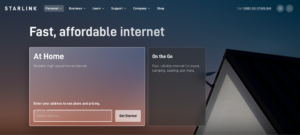

For remote properties without a wired connection, Starlink offers a satellite alternative with flexible month-to-month plans. These options don’t require a long-term commitment, although certain offers in select markets do.
The service remains active until the end of the payment period following cancellation. Review the selected offer’s commitment terms before ordering, particularly if you expect to cancel and restart service later. For occasional use, weigh that reactivation uncertainty against keeping your subscription active.
Key Features
- Speed options: The V5 kit advertises peak download capability of 375 Mbps, although actual performance varies.
- Reactivation limits: Restarting service after cancellation depends on availability and capacity in your area.
3. T-Mobile Home Internet


Where cellular coverage and address eligibility align, T-Mobile Home Internet provides a 5G option. The company offers a 15-day test-drive on qualifying Home Internet plans, subject to cancellation and equipment-return requirements.
Its Home Internet FAQ confirms no annual contract, but ending service doesn’t remove the obligation to return the gateway, and a nonreturn fee may still apply. The test-drive is separate from ongoing contract flexibility and covers eligible service charges through a bill credit. If testing the connection, note when your qualifying trial period begins.
Key Features
- Included equipment: A Wi-Fi gateway and a companion Internet app support setup and network management.
- Promotional conditions: AutoPay and bill credits may affect pricing, so review the current rate.
4. Verizon 5G Home Internet
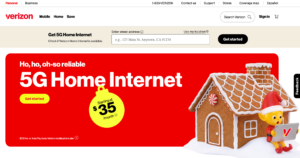

Another cellular option, Verizon 5G Home Internet, offers service without an annual contract where available. Eligibility depends on your address, not on whether you receive a mobile signal nearby.
Verizon’s wireless equipment return policy states there are no annual contracts or disconnection fees. Verizon-owned equipment must be returned within 30 days of disconnection, and damaged or unreturned items may incur charges. That makes the return deadline important even when ending service carries no disconnection fee. Keep the return receipt until the provider processes your equipment. Arrange service cancellation separately, since returning hardware alone doesn’t stop billing.
Key Features
- Router access: A Verizon Internet Gateway is included with 5G Home plans.
- Trial protection: A 30-day money-back guarantee applies, subject to cancellation and equipment return conditions.
5. Viasat
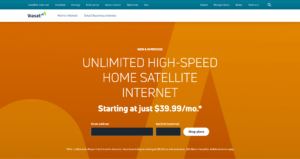

For a household considering satellite service, Viasat offers no-contract options on selected plans. An address-specific quote establishes which package is available and its total price.
Unleashed and Unleashed Max are month-to-month, with no minimum service term or early termination fee. Essentials requires a 24-month commitment, so confirm which plan your quote includes. Before signing up, review equipment lease charges, activation fees, optional services, and return requirements to understand your total costs and obligations when canceling.
Key Features
- Professional installation: Satellite installation is available, with applicable costs included in your quote.
- Optional extras: CyberProtect, Viasat Voice, and EasyCare add security, voice service, or support options.
Comparing Internet Options
This summary brings the main distinctions together. Maximum figures describe advertised capabilities, not guaranteed results, and address-specific offers remain the basis for a purchase decision.
| Provider | Connection type | Max speed | Key differentiator | No-contract option |
|---|---|---|---|---|
| Highline Internet | Fiber | 2 Gbps residential | Symmetrical speeds and local support | No annual contracts |
| Starlink | Satellite | 375 Mbps peak download capability | Remote-property option | Month-to-month options, with some commitment-based offers |
| T-Mobile Home Internet | 5G wireless | Address-specific | Included gateway | No annual contract |
| Verizon 5G Home Internet | 5G wireless | Address-specific | Included router | No annual contract or disconnection fee |
| Viasat | Satellite | Address-specific | Optional service add-ons | Unleashed and Unleashed Max are month-to-month |
Your Path to Reliable, Contract-Free Rural Internet
A useful rural internet shortlist balances connection quality with a package that fits your routine. Prioritize the features you’ll use every day and the level of commitment you’re comfortable making.
Bring your household’s busiest-hour needs to the conversation, request a complete price breakdown, and keep the service agreement for reference. Check availability at your address and choose the connection that fits how you live and work.
Frequently Asked Questions
Service technology and contract flexibility are separate considerations. These answers address the practical questions that can remain when you’re narrowing your choices.
Is satellite internet really no-contract?
Some satellite plans offer service without a long-term commitment. Viasat Unleashed and Unleashed Max are month-to-month, while Starlink offers flexible plans alongside certain commitment-based offers in select markets. Check the specific plan’s terms before signing up.
How much internet speed do I need for remote work or streaming?
Your needs depend on simultaneous activities and devices, with the FCC defining medium household service as 12 to 25 Mbps and advanced service as above 25 Mbps. Treat those figures as starting points, then assess upload demands during your busiest periods.
Is fiber internet actually available in rural areas?
Yes, some rural communities have fiber service. Highline Internet serves rural households, although eligibility depends on your specific property.
Can I switch providers without a penalty?
You may be able to switch without an early termination fee if your agreement allows it. Equipment returns and outstanding balances are separate obligations to review before canceling.

