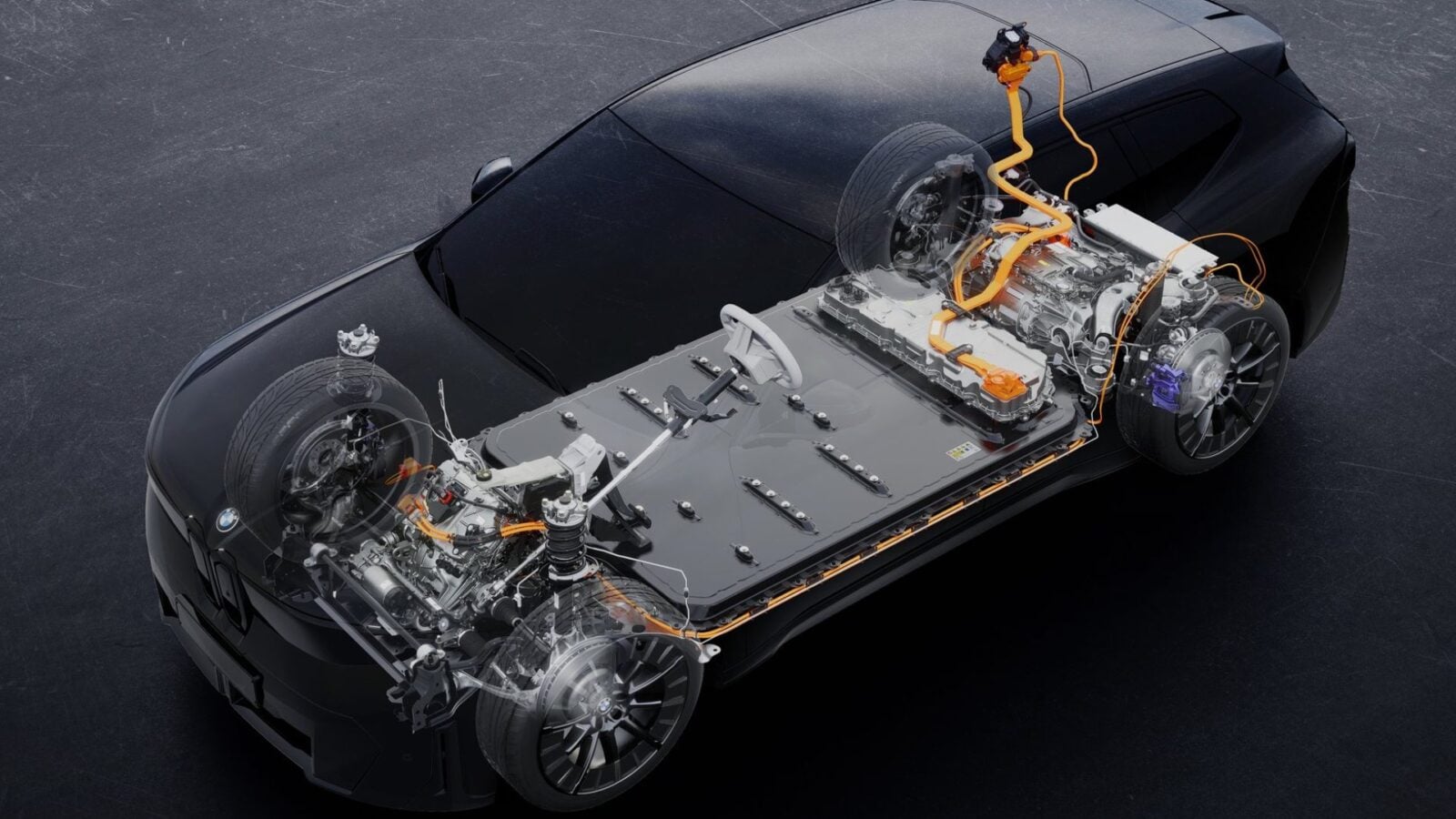
The batteries equipping electric vehicles still have progress to make to achieve optimal efficiency. Some results are nevertheless encouraging. This is the case for battery wear, which has proven to be very limited on modern vehicles.
It’s a myth that allows those who resist to make their money on social networks: the battery of an electric car is destined to be scrapped after five years. Five years? How about a year, while we’re at it? In addition to the fact that these vital organs are guaranteed for at least eight long years, it has now been noted that their endurance is ultimately much better than expected.
The Recurrent study: only 5% loss of autonomy after 5 years
The firm specializing in the analysis of electric vehicles Recurrent indicates in a recent report that battery cars ultimately lose much less range than expected during the first five years. On average, a recent electric vehicle would retain 97% of its useful autonomy after three yearsand still 95% of its original range after five years. An example speaks louder than lengthy explanations.
The example of the Renault Scénic: 594 km of autonomy after half a decade
Let’s start with a Renault Scénic Grande Autonomie equipped with an 87 kWh battery with 625 km of autonomy. Based on Recurrent’s study, the vehicle would still have 606 km of autonomy after three years and 594 km of autonomy after five years. This would curb concerns about the uncertain aging of batteries, which is the second key concern for electric vehicles.
The first major sticking point has long been autonomy, which has been resolved brilliantly in recent years. Indeed, today there are many models offering at least 500 km of autonomy, and those exceeding the 700 km mark are becoming more and more common. Enough to offer a certain peace of mind during long journeys, especially since the network of fast terminals on the motorway is also no longer a problem.
The secret of manufacturers: hidden battery capacity
This decline observed in the aging of batteries will reassure second-hand buyerswhich will allow the models to maintain a higher price on the second-hand market. How was such an evolution made possible? Many manufacturers manage to limit the loss of autonomy by gradually releasing the capacity of the battery according to use and actual wear.
Here is another example explaining the maneuver: the Audi Q4 e-tron that we recently presented to you has a battery of 82 gross kWh and 77 useful kWh. Over time, the brand will gradually unlock the unused 5 kWh via remote updates to compensate for possible wear and tear. Add to this batteries with constantly increasing energy densities supported by ever more efficient thermal management systems and you will obtain increasingly minimal general degradation.
👉🏻 Follow tech news in real time: add 01net to your sources on Google, and subscribe to our WhatsApp channel.
Source :
Inside EVs