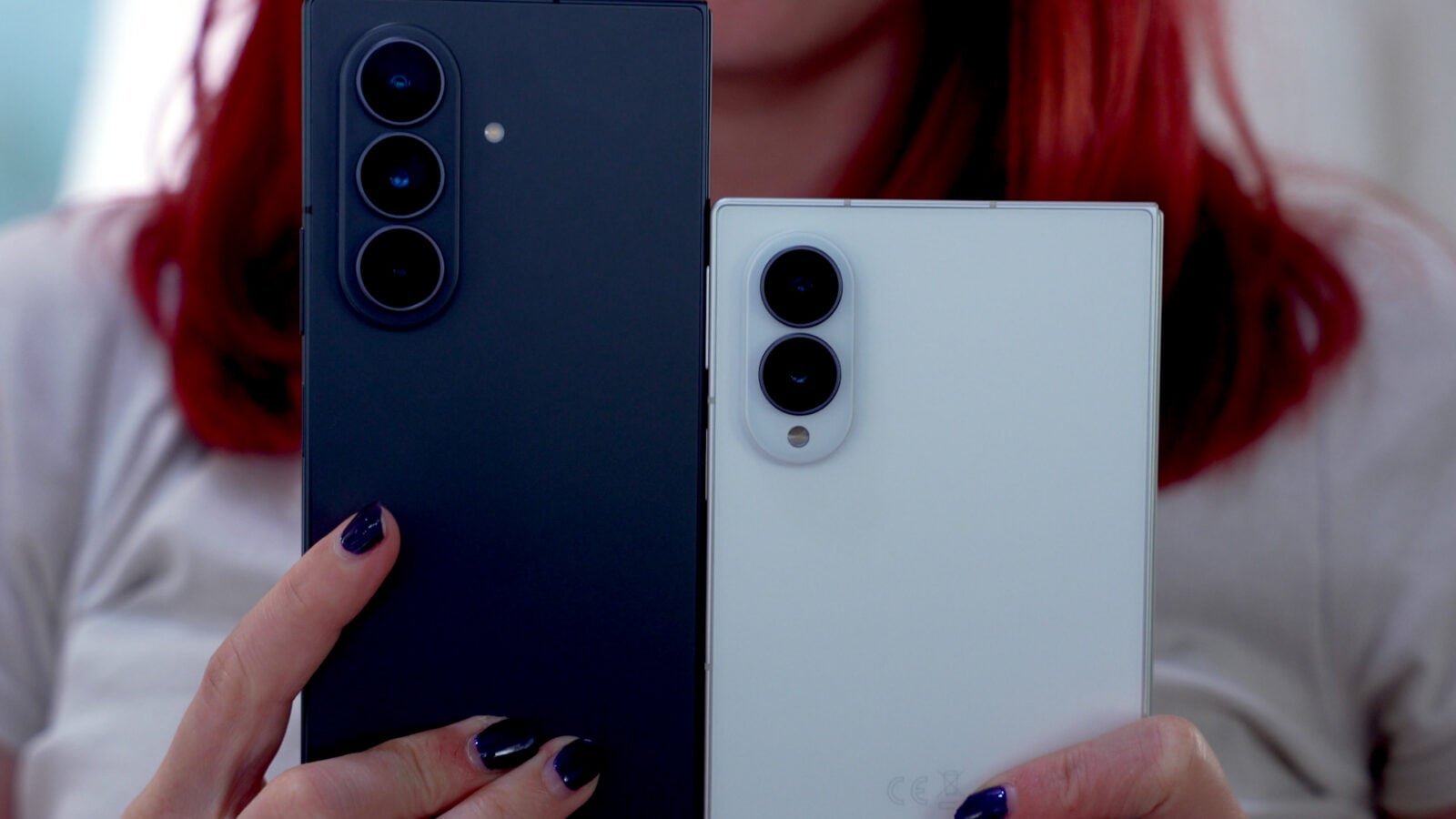
Made official at Galaxy Unpacked in London, the Galaxy Z Fold 8 and Fold 8 Ultra shine with their finesse and their new titanium-reinforced screen. However, two flagship technologies from Samsung are sorely missing: the S Pen stylus and the anti-curious Privacy Display screen. Asked about these absences, the management of the South Korean giant promises to work on their integration in future generations.
This is a double disappointment for many users who are passionate about productivity and privacy. For the second year in a row, Samsung’s large format folding smartphones are ignoring the S Pen, an emblematic function removed last year on the Z Fold 7. Even more surprising, the manufacturer has not integrated its brand new privacy screen, called Privacy Display. Unveiled on the Galaxy S26 Ultra, this display technology blocks the side visibility of the screen to prevent prying neighbors from reading your messages on transport. On a giant folding panel of almost 8 inches, the absence of this intelligent privacy filter is particularly felt on a daily basis.
The race for finesse has sacrificed the S Pen
The absence of the stylus is not the result of an oversight, but an engineering choice dictated by a strict obsession: reducing the thickness of the smartphone. To allow the S Pen to work, the screen must integrate a specific hardware layer called a “digitizer”, capable of detecting the pressure and inclination of the lead. By removing this component on the Z Fold 7 then on the Z Fold 8 and Fold 8 Ultra, Samsung managed to maintain a thickness of only 8.9 mm in the closed position (9.7 mm for the Z Fold 8 and its “passport” format), compared to 12.1 mm on the Z Fold 6. This year, the brand preferred to invest its margin in its “Flex Titanium” technology, adding two layers of titanium to reinforce the structure and almost completely erase the central fold, rather than in the return of the stylus.
Samsung seeks technical solution for next generations
However, the South Korean manufacturer has not definitively closed the door to these two features. On the sidelines of the London event, HS Moon, executive vice-president of R&D at Samsung, wanted to reassure users, as reported by our colleagues at Tom’s Guide. The executive explained that the priorities of this generation were focused on portability, lightness and finesse, but that his teams continued to actively explore solutions to reintegrate an S Pen and a digitizer without adding a single tenth of a millimeter to the chassis. Engineers would notably work on autonomous styluses capable of handling pressure without requiring a hardware layer under the screen.
Concerning the Privacy Display screen, the manager confirmed the very strong enthusiasm generated by this technology on the S26 Ultra and assured that Samsung was very seriously studying its adaptation on future foldable screens in the range.
Intensifying competitive pressure
Samsung knows it will have to act quickly to maintain its leadership in the folding market. While the firm could afford to make concessions last year in the absence of a real rival, the year 2026 marks the arrival of fierce competitors. The brand new Motorola Razr Fold, for example, includes its own Moto Pen Ultra stylus, proving that it is now possible to combine folding format and handwritten note taking. With the growing threat of competition and high expectations surrounding the privacy filter, Samsung now knows what remains to be done to refine its future folding smartphones.
👉🏻 Follow tech news in real time: add 01net to your sources on Google, and subscribe to our WhatsApp channel.