



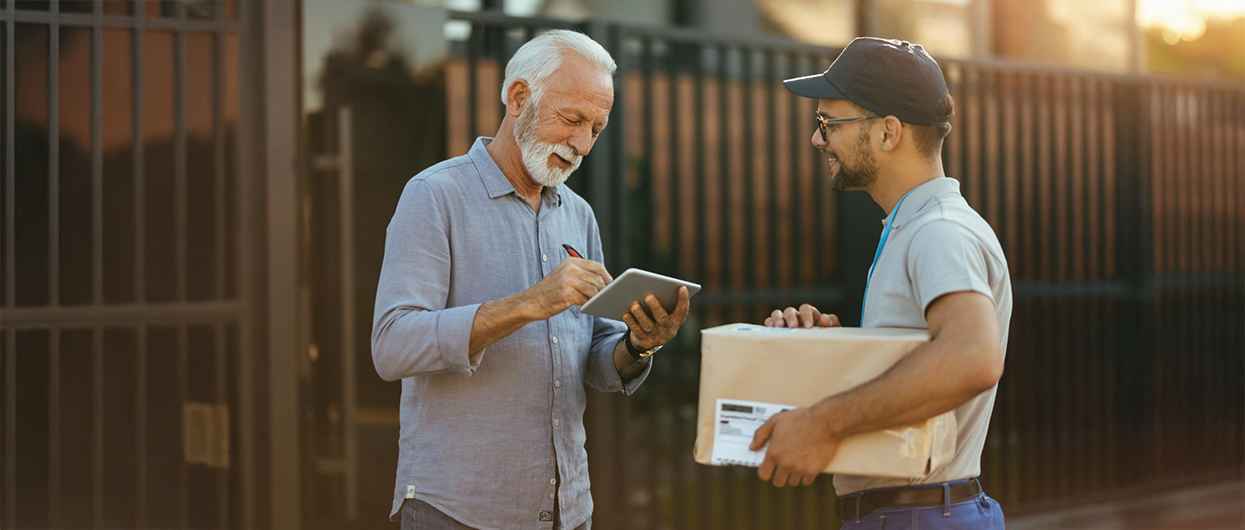
Retail loyalty used to be built around the obvious things: price, product range, location, and whether the staff were helpful when something went wrong. Those still count, though the handover between purchase and possession now carries far more weight than it once did. A customer can like the brand, trust the site, and fill a basket quite happily, then lose patience the moment fulfilment becomes clumsy. That’s one reason Click n Collect has become more than a convenience feature. For plenty of shoppers, the pickup logistics customer loyalty now shapes whether they come back.
People remember friction. They remember the order that was ready when promised, the one that took two minutes to collect, and the one that somehow involved waiting in a queue while three staff members tried to locate a parcel that should have been simple to hand over. Those moments have a long shelf life.
The sale No Longer Ends at Checkout
That shift has been creeping up for years. Retailers put huge effort into the digital front end, cleaner websites, smoother payments, better product imagery, sharper messaging, while the fulfilment side was sometimes left sounding practical but feeling patchy. Customers notice the gap straight away. If the online purchase feels sleek and the collection process feels cobbled together, the impression of the brand drops.
A smooth pickup experience does more than complete the order. It confirms that the retailer is organised all the way through. That’s a powerful thing to leave a customer with, especially when competitors are only a few clicks away.
Convenience has Become Emotional
People often talk about convenience as though it’s purely functional, but it has a mood attached to it. A good pickup experience feels satisfying. You place the order, get the notification, swing by, collect it, and get on with your day without the whole thing demanding unnecessary attention. The customer feels efficient, in control, maybe even faintly smug.
A bad pickup experience creates the opposite feeling. Mild irritation, wasted time, the sense that something simple has been made annoying for no good reason. That emotion sticks to the brand much more easily than retailers like to admit. Customers may not write a dramatic complaint about it, though they’ll remember it next time they’re deciding where to buy.
Also read: Best 3DS Games In 2024 (#3 Is Best) | Best Nintendo Games To Right Now
Shoppers Judge Reliability Through Small Moments
Most customers never see the systems behind the process, nor should they have to. They judge the operation through surface-level signals. Was the item actually ready? Did the message arrive clearly? Was pickup easy to find? Did the staff know what was happening? Did the collection point feel like a proper part of the service, or like an awkward side arrangement the business hadn’t fully thought through?
Those details create a picture of competence very quickly. Retailers often focus on major loyalty drivers while underestimating the cumulative effect of these smaller interactions. A customer may not rave about a tidy collection process to their friends, though they absolutely notice when it feels polished, and they definitely notice when it doesn’t.
Speed is Only Part of The Equation
Fast pickup helps, obviously, but speed alone doesn’t carry the whole experience. Plenty of customers will tolerate an extra hour or two if the process feels clear and dependable. What they hate is uncertainty. Orders marked ready when they aren’t. Confusing instructions. Collection windows that sound simple but turn out to be messy in practice. Staff who seem surprised the customer has arrived at all.
A well-run pickup model gives people confidence before they leave home. They know where they’re going, what they need, how long it’s likely to take, and what will happen when they get there. That clarity can do just as much for loyalty as raw speed.
Good Pickup Feels Like Respect for The Customer’s Time
That may be the part retailers should take most seriously. Time is often the real currency in these interactions. Customers choose pickup because they want to avoid delivery delays, missed parcels, and all the usual nonsense around waiting for an order to appear. If collection then becomes its own miniature ordeal, the whole promise has collapsed.
When the process is tight, customers feel their time has been treated properly. The retailer has done the admin, the coordination, and the preparation in advance, so the customer doesn’t have to absorb the mess. That tends to create goodwill very quickly. People return to businesses that make life easier.
Also read: What Is Walmart Credit Card Grace Period? Explained
Pickup Also Says Something About The Broader Operation
A messy collection process rarely exists in isolation. Customers may not know exactly what’s broken behind the scenes, though they can sense when the business is running a bit loose. If handover is disorganised, they begin to wonder about stock accuracy, delivery promises, returns handling, and customer service more broadly.
The reverse applies too. A strong pickup experience makes the retailer seem sharper overall. It suggests decent systems, clear communication, and staff who know how things work. That can strengthen trust beyond the single transaction in front of them.
Loyalty is Becoming More Operational
There was a time when loyalty programs, clever offers, and polished branding did a lot of the heavy lifting. Now operational performance has muscled its way much closer to the centre. Customers still enjoy rewards and nice-looking campaigns, though those things don’t count for much if the basics around order fulfilment keep letting the side down.
Retailers that understand this tend to treat pickup as a brand touchpoint rather than a warehouse function. The collection message, the signage, the staff interaction, the waiting time, the car access, the packaging, all of it becomes part of how the customer experiences the business. That mindset usually produces better outcomes than treating collection as a logistical footnote.
The Final Handover Shapes The Memory of The Purchase
People remember the ending of an experience more vividly than the middle. That’s true in retail as much as anywhere else. A good product at a good price can still be overshadowed by a frustrating final step. By contrast, a smooth collection can leave the customer feeling positive even if the purchase itself was fairly ordinary.
That’s why pickup logistics now sit much closer to customer loyalty than some retailers realise. The handover is the moment where the promise becomes real. If that moment feels easy, the brand earns trust. If it feels muddled, the customer starts quietly scanning for alternatives.
Also read: Caktus AI Review: Is It The Best AI Helper For Students? (Complete Guide)
Retailers don’t Need Theatrics here, Just Competence
Nobody collecting an order wants an experience. They want the item, quickly, without confusion. The good news is that this usually doesn’t require anything flashy. Clean communication, accurate stock handling, sensible collection design, and a process staff can follow without improvising every second order will get a retailer a long way.
That sort of competence can be surprisingly persuasive. A customer who feels looked after in the practical bits is often far more loyal than one who’s merely been marketed to well. In a crowded retail environment, that’s a useful edge to have.

