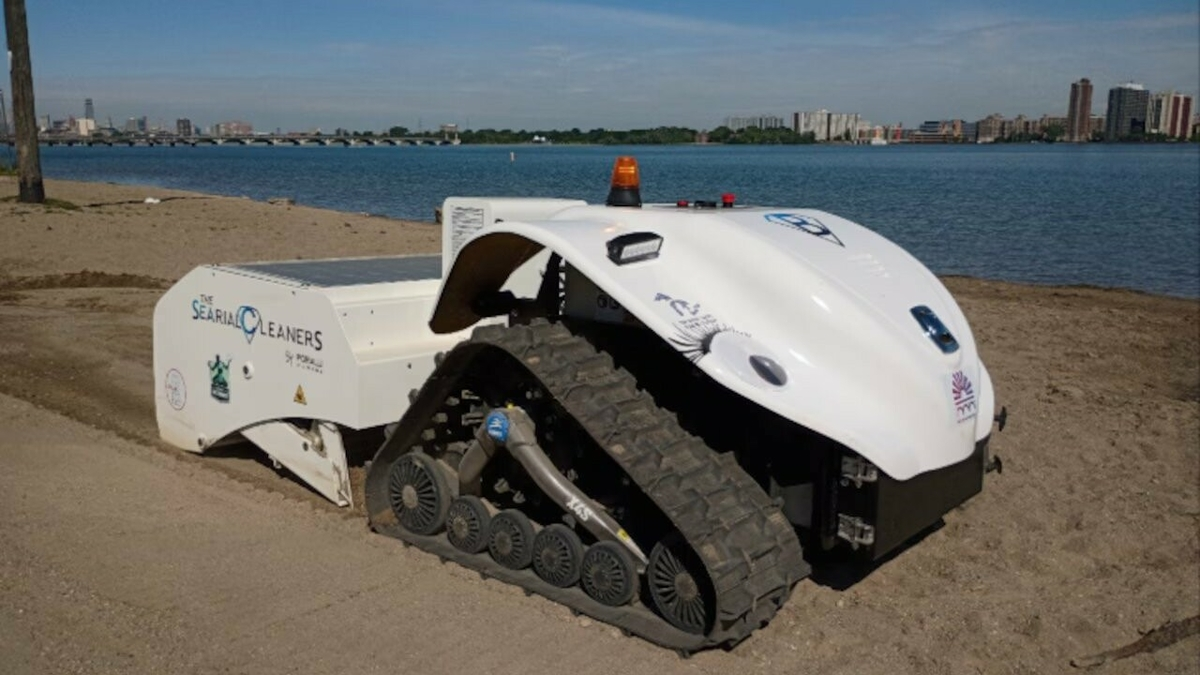
On the iconic Belle Isle, near downtown Detroit, a silent and electric hero is back in action. The beach cleaner robot “BeBot”, affectionately nicknamed Betty, is back for its third consecutive summer season. This deployment is part of the Belle Isle Conservancy’s “Keep the Belle Isle Beautiful” campaign, aimed at cleaning up the island’s precious sand of debris and, most importantly, fragmented plastic pollution that threatens the ecosystem. An initiative supported financially and humanly for a concrete impact on the shores.
How does “Betty” the BeBot fight pollution on Belle Isle?
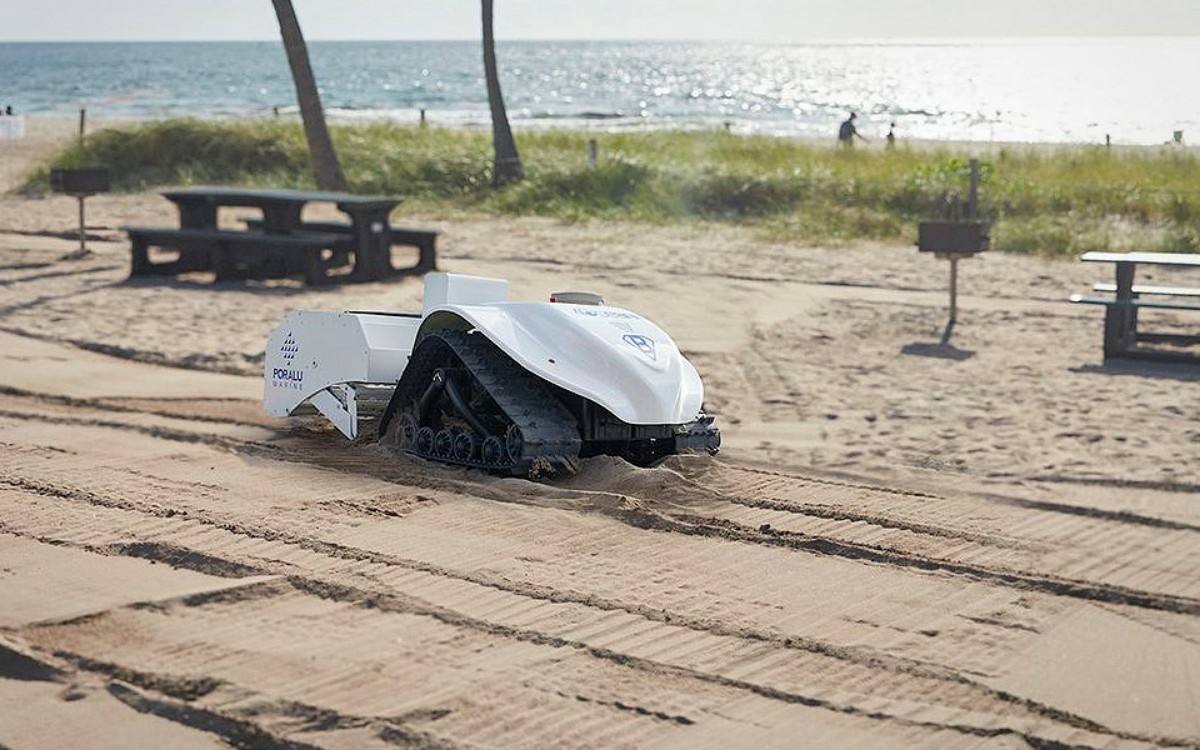
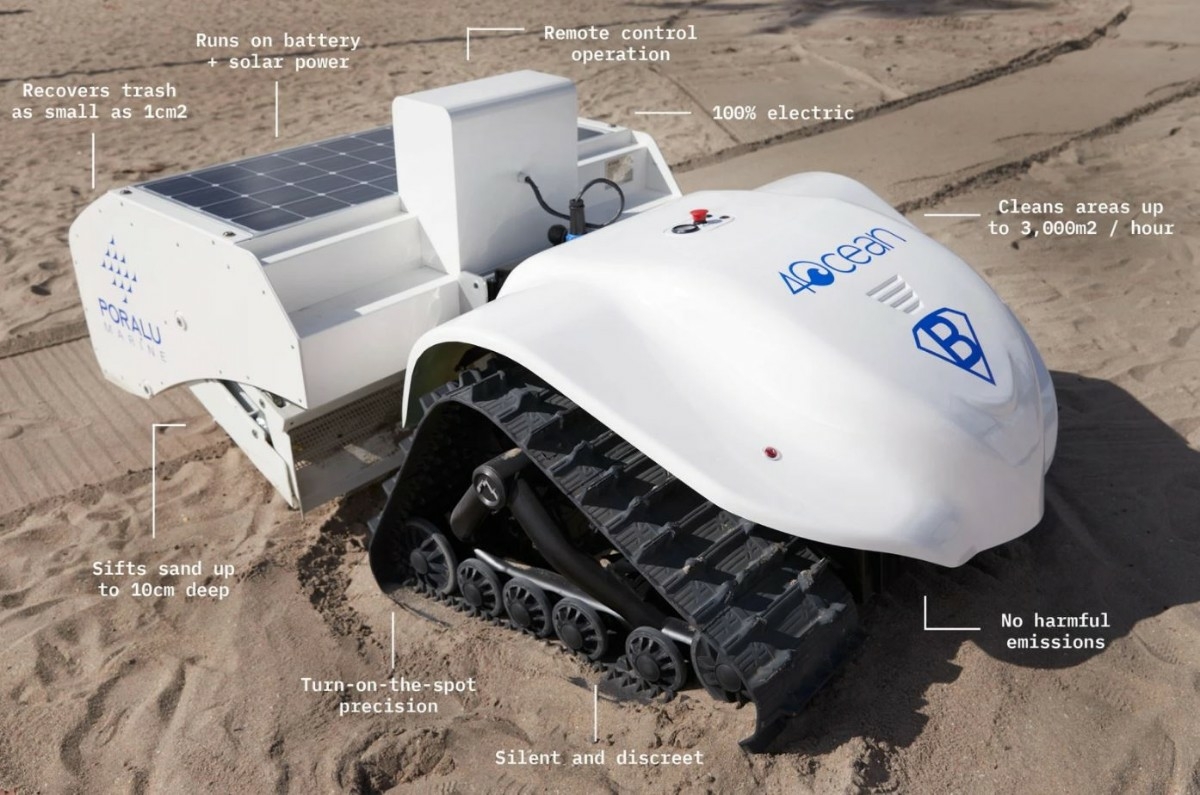
This wonderful robot cleanernicknamed Betty, is much more than just a beach vacuum cleaner. Deployed for the first time in 2024, it is a true sentinel for Belle Isle. It meticulously combs beaches, capable of covering an impressive 32,000 square feet (nearly 3,000 square meters) per hour, all with fully electric motorization and remote control.
Its mission is clear: target and collect everything that should not be there. Bottles, food packaging, cigarette butts, and above all, plastic pollution fragmented in different sizes, often invisible to the naked eye. Betty’s work is not limited to cleanliness: she also contributes valuable research into best practices for preserving the environment in an eco-friendly way. A synergy between machine and human which offers a glimmer of hope for our fragile ecosystems.
What is the impact of this technology beyond Belle Isle?
The commitment to BeBot and the fight against pollution goes far beyond the shores of Belle Isle. This local initiative is part of a broader vision, which extends well beyond the borders of Detroit. The proof is: the Meijer chain made a substantial donation of $280,000 to the Council of the Great Lakes Region. This funding makes it possible to keep the BeBots, but also the Pixie Drones, in operation around the entire Great Lakes, a vital region for the North American ecosystem.

Konnor Petz, special projects manager at the City of Detroit’s Office of Mobility Innovation, points out: “This partnership demonstrates how mobility innovation can extend beyond transportation to support environmental management, while providing valuable data that helps us better understand and address plastic pollution along our waterways and shorelines.” He is fascinating to see how cutting-edge technology, far from laboratories, is anchored in our daily lives for a future where technology and commitment protect our environment.

How can citizens get involved with BeBot?
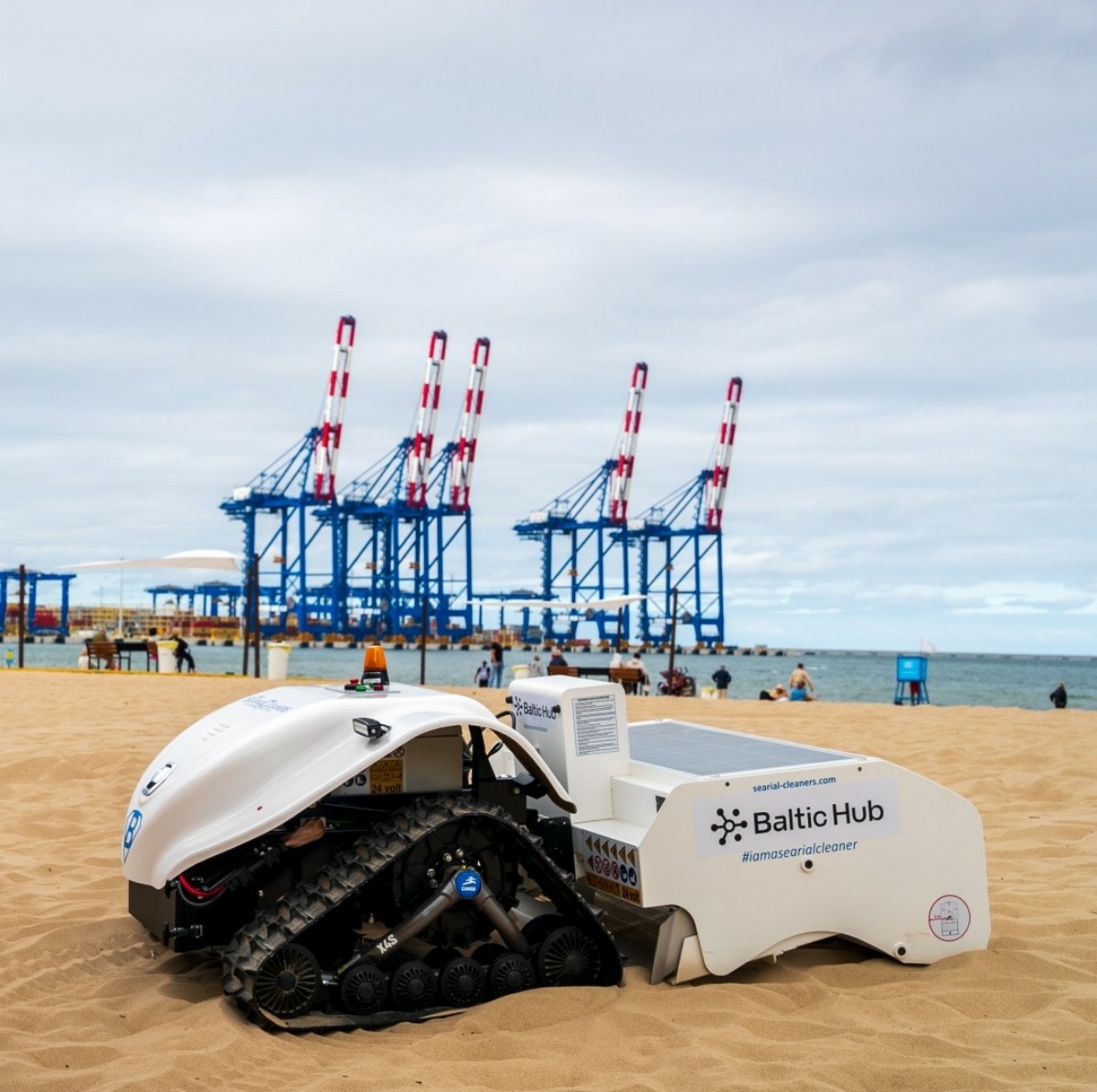
The action of BeBot is powerful, but it is amplified by human intervention. The Belle Isle Conservancy invites volunteers to join Betty and her teams for joint clean-up operations. These collective efforts are crucial, because they make it possible to cover larger areas and raise awareness among the population of the importance of preserving our natural spaces. The schedule is already set for the coming months.

Cleaning dates are set: every second Friday of the month, from July to September, from 9:30 a.m. to 11:30 a.m., at Belle Isle Beach. Added to this are the third Saturdays, between now and October 17, at the same times, as well as sessions on Wednesday mornings, still at Belle Isle Beach. It is a unique opportunity to see the technology in action and to contribute, each in their own way, to the beauty of our beaches. A concrete collaboration for lasting results.
Frequently Asked Questions (FAQ)
When will BeBot clean Belle Isle beaches?
The BeBot operates on various dates between now and October, with volunteer cleaning sessions scheduled for second Fridays from July through September, third Saturdays through October, and select Wednesday mornings, from 9:30 a.m. to 11:30 a.m.
Who finances the BeBots operation in the Great Lakes region?
The Meijer chain donated $280,000 to the Council of the Great Lakes Region to support the operation of BeBots and Pixie Drones, including at Belle Isle and other sites around the Great Lakes.
Why is it important to collect plastic fragments from beaches?
Plastic fragments, often invisible to the naked eye, represent a major threat to marine flora and fauna. Their collection by robots like BeBot helps preserve the ecosystem and provides crucial data for scientific research into pollution.