




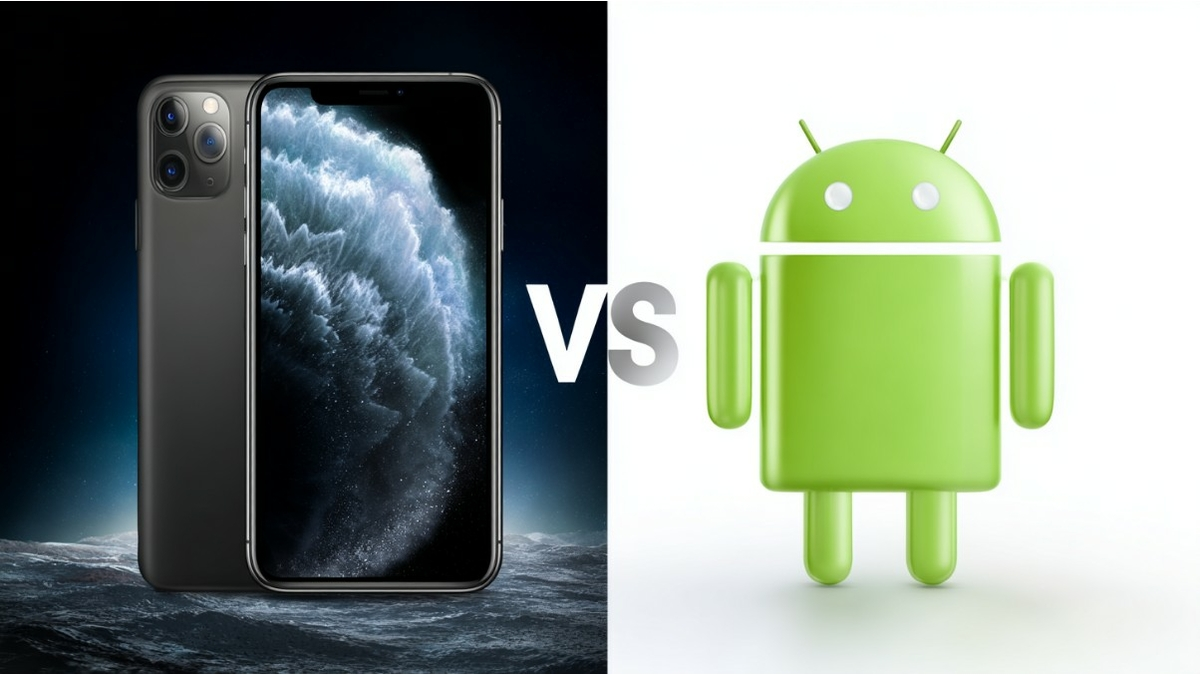
Choosing a new phone is a bit like finding yourself in front of two identical doors. From the outside, rectangles of glass and metal that look more and more similar. However, behind each one hides a completely different universe, with its own rules, its own language and its own culture. One promises simplicity and consistency, the other freedom and infinite choice. This jungle of specifications and marketing arguments can quickly become a headache. So, to see things more clearly, let’s dive straight into the heart of the questions everyone asks themselves before making their choice.
philosophy and user experience
Which is the most customizable?
Without any hesitation, it is Android. This system is designed to be modeled by the user. You can change the appearance from A to Z with launchers, add interactive widgets anywhere on your home screens, and modify much deeper settings. The iPhone offers a much better experience framed and uniform : What you see is what you get, with much more limited customization options.
Which is the easiest to handle?
L’iPhone usually wins this point. Thanks to its consistent interface on all its devices and from one year to the next, handling is extremely intuitive. Everything is designed to work “simply”, without the user needing to get their hands dirty. Android is also very simple for the basics, but its diversity can sometimes be confusing: the interface of a Samsung is not that of a Google Pixel.
How do they interact with other devices?
The iPhone is the king of integration… if you stay with Apple. Communication between an iPhone, a Mac, an iPad and an Apple Watch is fluid, almost magical. Conversely, an Android smartphone is more universal ; it easily connects to a Windows PC, to a myriad of connected objects of all brands. The choice of Smartphonesunder Android is so broad that it guarantees compatibility with almost everything.
applications and security
Where are the apps found, and is there a difference?
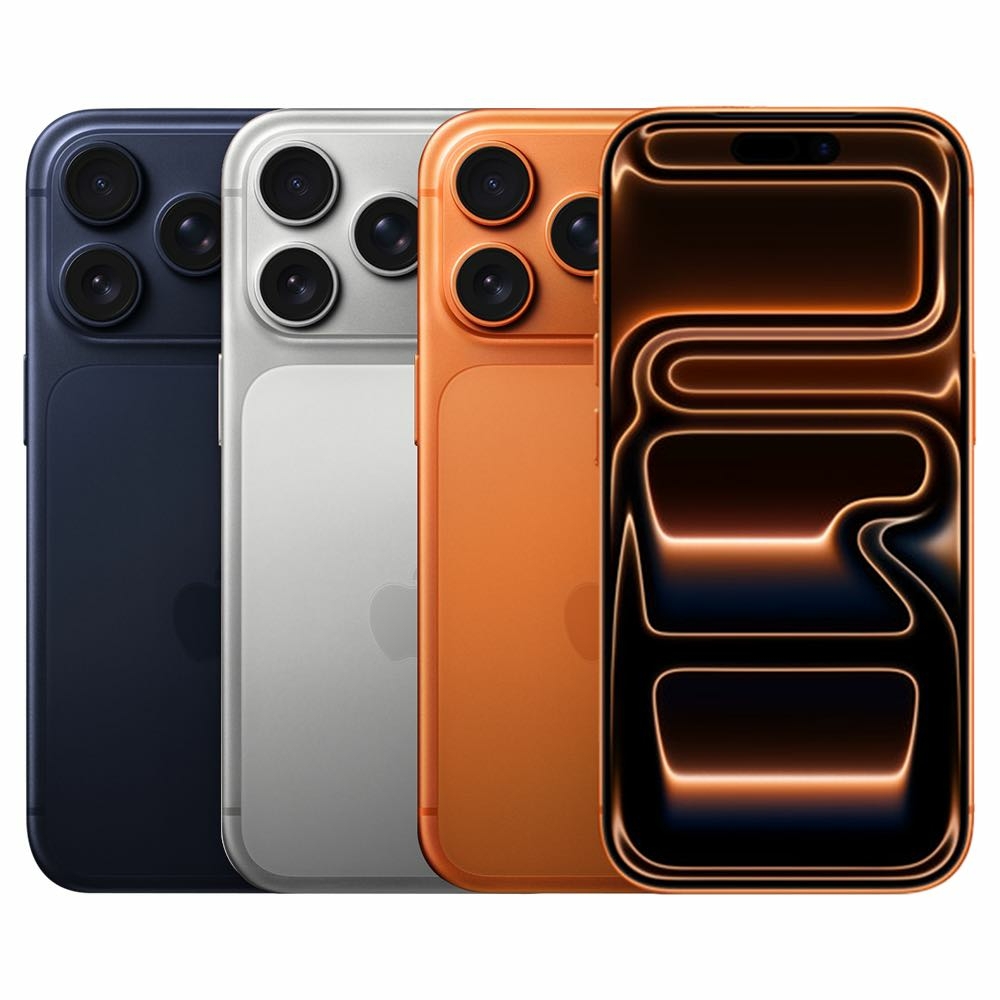
On iPhone, it’sApp Storea walled garden closely monitored by Apple. Each application is validated, which drastically limits risks. On Android, it’s Google Play Storewhich is much more open, but also complemented by the possibility of installing applications from other sources (sideloading), which offers more freedom but increases the risks if you are not careful.

Is the quality of applications really better on iPhone?
It’s a reputation that dies hard, and which remains partly true. As developers target a limited number of iPhone models, apps are often better optimizedmore stable and benefit from new iOS features more quickly. On Android, with thousands of different models (screen size, power), optimization is a more complex challenge, which can sometimes result in bugs on certain configurations.
Which is considered the safest?
L’iPhone has a reputation for being more secure. Its “closed” model, strict control of the App Store and security updates deployed simultaneously to all compatible devices create a fortress that is difficult to penetrate. However, it should be noted that the security ofAndroid has made colossal progress, particularly on Google Pixel and Samsung devices, which receive patches very regularly.
hardware, updates and longevity
Which system offers the most phone choices?
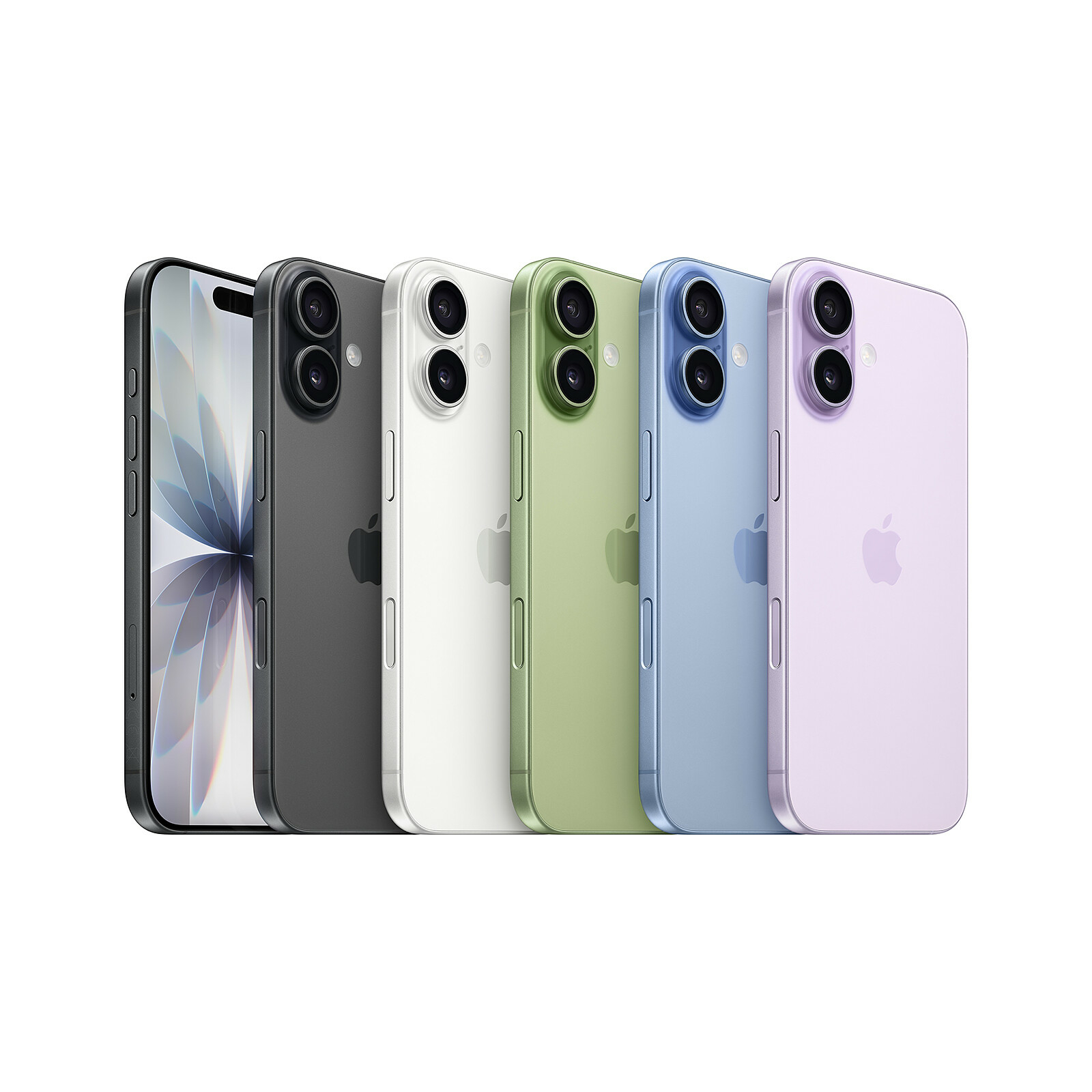
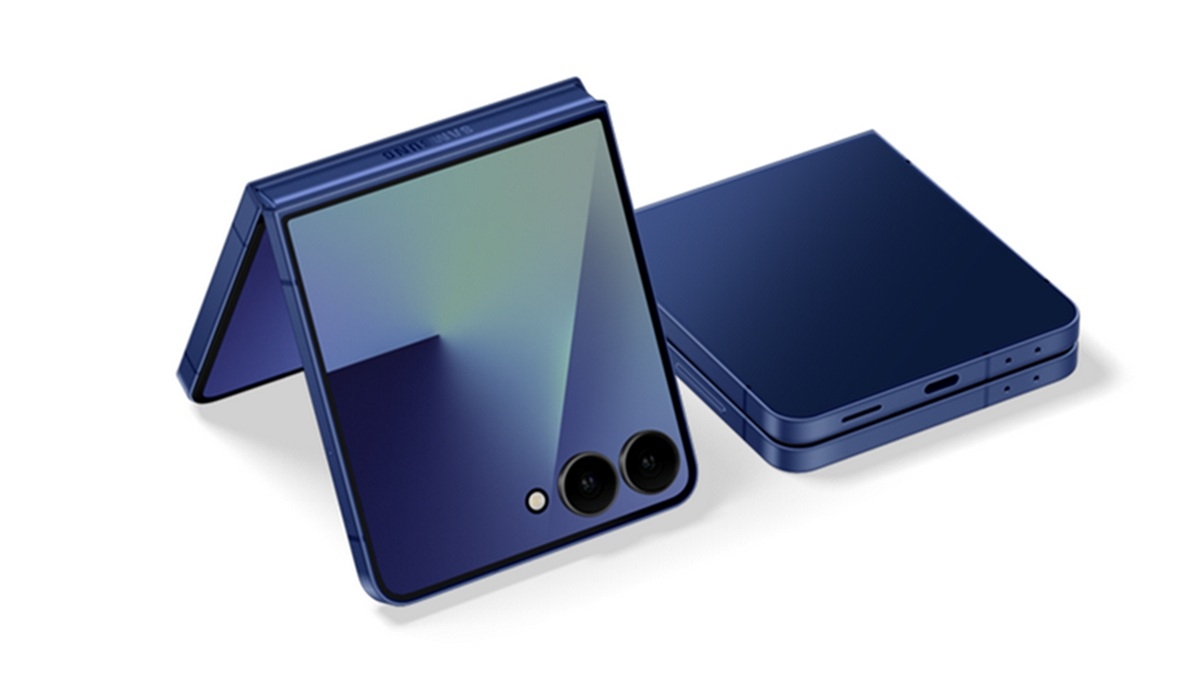
Androidand from a very far distance. You’ll find phones at every price point, from under $150 to over $1,800, with varying sizes, foldable screens, styluses, and more. There is something for all tastes and budgets. Apple, for its part, offers a much more restricted range, focused on segment premium.

Will my phone be updated for long?
This is one of the biggest advantages ofiPhone. Apple provides exemplary software monitoring, with major updates during 6 to 7 years. On Android, the situation is improving but remains fragmented: Google and Samsung now promise 7 years of updates on their flagships, but on the entry or mid-range, we are often limited to 2 or 3 years.
Is an iPhone always more powerful?
No, it’s a myth. If we look at the raw benchmarks, the chips designed by Apple foriPhone are often in the lead. But the real difference lies in theoptimisation : Apple masters the hardware and software, the fluidity is exemplary. However, high-end Android smartphones are monsters of power, perfectly capable of running everything without the slightest slowdown. There Comparison Technical data sheets don’t always tell the whole story about real experience.

practical everyday questions
- How do I transfer my data if I change sides?
It’s simple! Official applications exist: “Migrate to iOS” to switch from Android to iPhone, and Google Drive/Switch to Android to go the other way. - Which has the best autonomy?
It totally depends on the model, not the system! High-end Androids often have bigger batteries, but the iPhone’s software optimization allows it to do very well. - Which one retains its resale value best?
The iPhone, without any discussion. Its discount is much slower, making it a better “investment” if you plan to resell it. This is an interesting facet of the Technology consumption. - Is price a deciding factor?
Yes. Android offers a much wider range of prices, making it accessible to all budgets. The iPhone remains a high-end product, even if older models or refurbished ones make it more affordable.
If you still have any misunderstandings, or questions not included in this guide, let us know in the comments below. We will complete this article to offer you the most comprehensive help possible.


