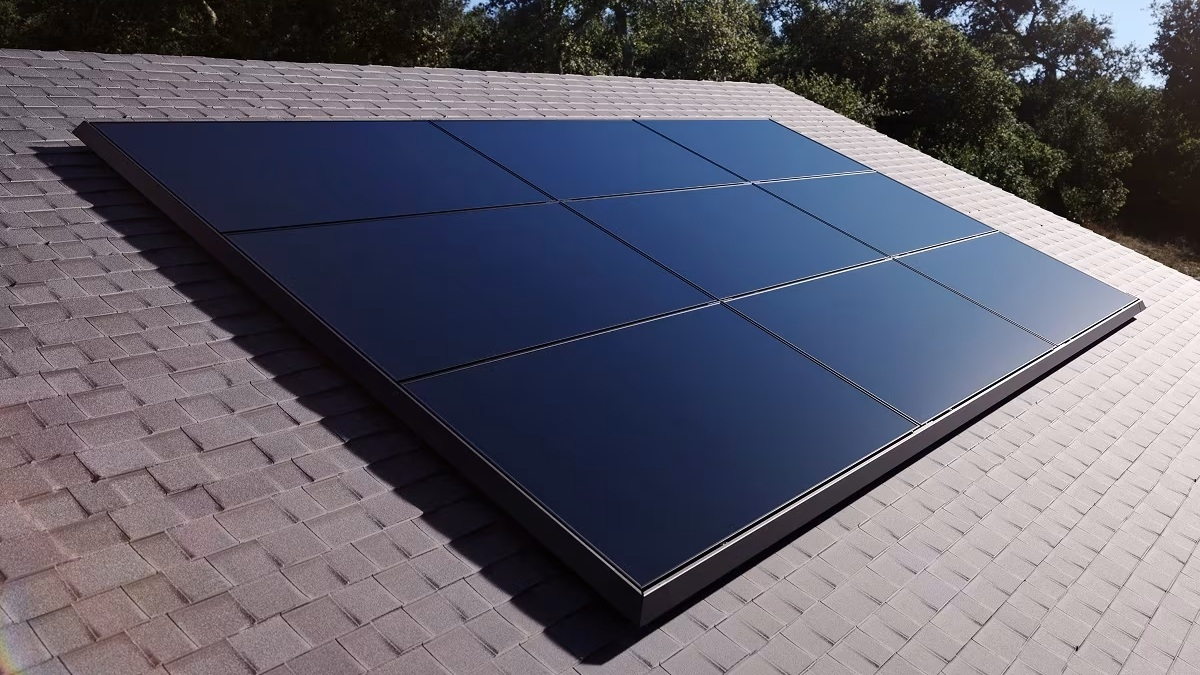
The Chine has just struck a blow. At the heart of Gobi Desertin Xinjiang province, the world’s largest hybrid solar power plant begins commercial operations. This titanic project, led by the China Three Gorges Corporation (CTG), is not just another solar farm. It head-on attacks the Achilles heel of renewables: their intermittency. The goal is simple: provide electricity 24 hours a day, 7 days a week.
How can this solar power plant work at night?
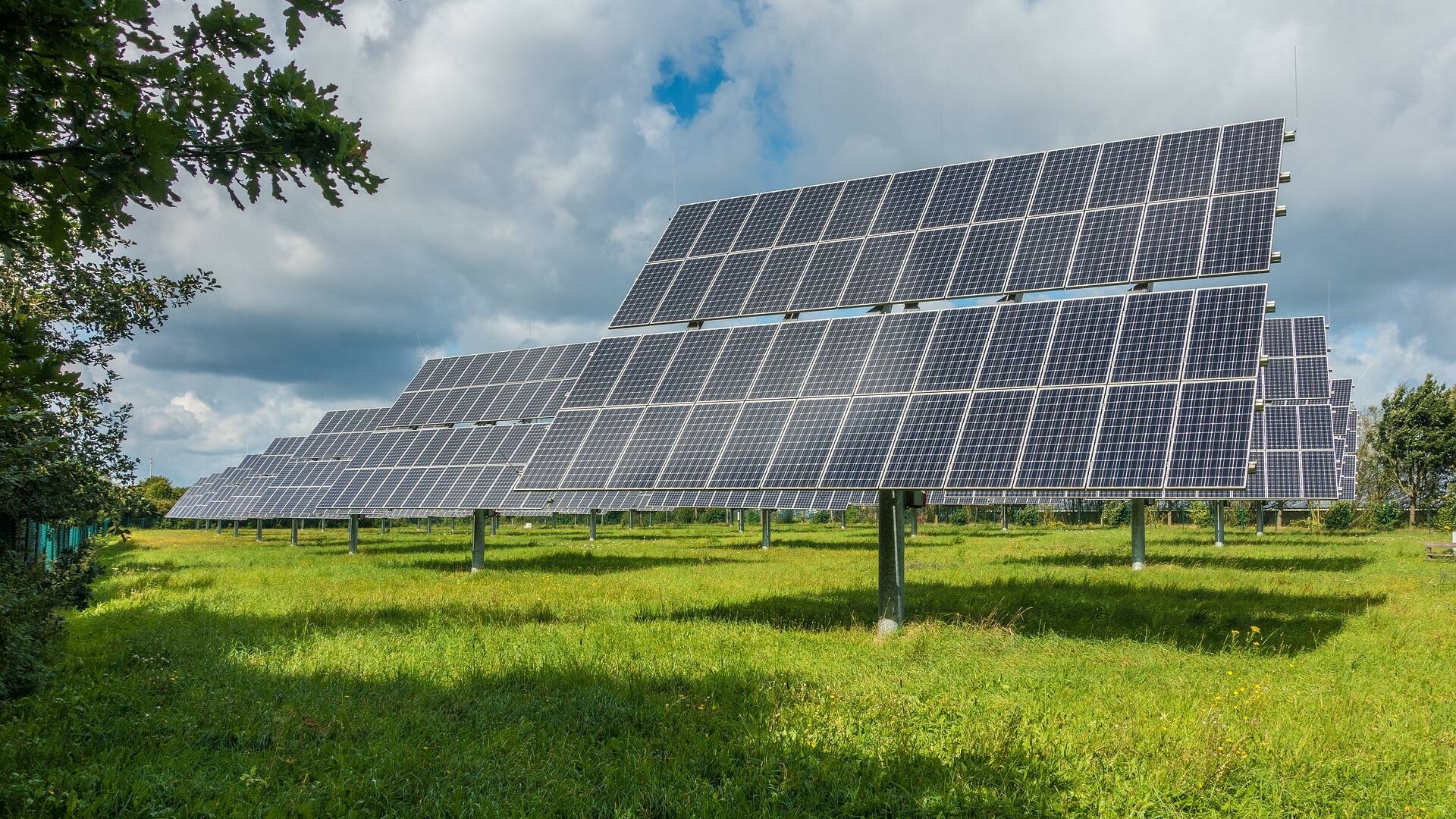
The secret lies not just in its size, but in its technology. The trick is in the energy storage. While the overwhelming majority of global installations rely on lithium-ion batteries, with all the geopolitical and environmental obstacles that we know, this Chinese project is taking a radically different path. It uses a thermal battery molten salts.
This approach makes it possible to store the intense heat captured by concentrated solar panels (CSP) and gradually release it. Concretely, the plant can continue to produce electricity for almost eight hours after sunset. This is double the capacities of traditional lithium-ion batteries. A technological snub who could well reshuffle the cards for the future ofsolar energy on a large scale.
Why is this project redefining energy security?
Historically, renewable energies were synonymous with variability, even risk. Fossil fuels represented stability. This equation is being completely reversed. Global oil shocks and geopolitical tensions have exposed the fragility of traditional supply chains. A power plant like that of Hami transforms the very concept of energy security.

It guarantees local, predictable production and not subject to foreign embargoes. Each terawatt hour produced here is a terawatt hour which cannot be “transformed into a weapon” by an opposing power. By ensuring a basic power (baseload power), comparable to a nuclear or coal power plant, this technology provides network stability essential for a country with monstrous energy needs.
Is China leaving everyone behind?
The answer is yes, at least on speed and scale. For Niu Jianle, the project director, this commissioning is a “historic leap” which takes the technology from the laboratory to a application commerciale massive. And this is just the beginning. The strategy of Chine is clear: massively deploy this solution.
Other Chinese companies, such as China Energy Engineering Corp, already have even larger projects in the pipeline, right next door. Beijing does not just follow the trend, it creates it, investing massively to ensure a technological domination and almost total energy independence in the decades to come.
Frequently Asked Questions (FAQ)
What is the exact power of this plant?
The Hami hybrid power plant in Xinjiang has an installed capacity of 1 gigawatt (GW).
What is the main innovation of this project?
The major innovation is the use of a system of molten salt thermal storage instead of lithium-ion batteries. This allows for longer duration energy storage (up to 8 hours) and circumvents lithium supply issues.
Are other similar projects planned?
Yes, other Chinese companies have already started building even larger solar hybrid plants, indicating rapid and large-scale adoption of this technology in China.