




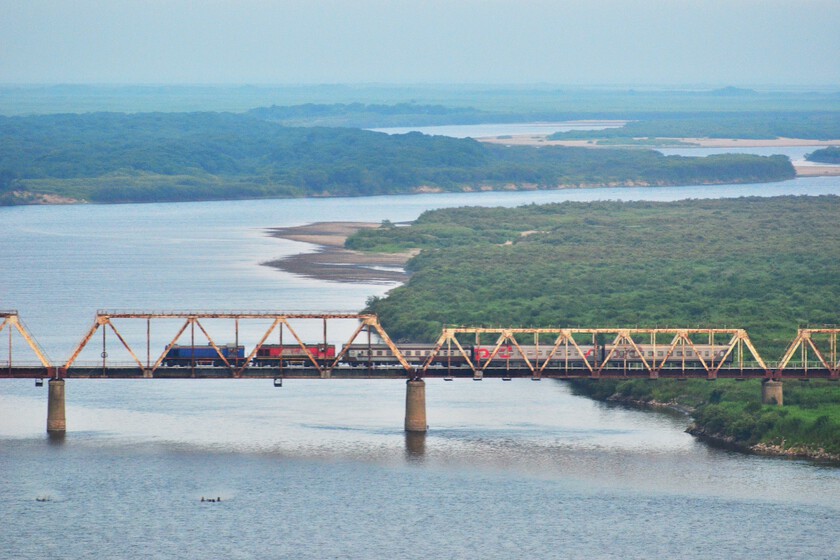
In 1860, China lost its direct access to the Sea of Japan after signing the Beijing Convention with the Russian Empire, ceding territories that today form part of the Primorsky Krai. That signing left Beijing just a few kilometers from the sea… but without being able to touch it. More than 160 years later, that geographical wound continues to condition its strategy.
A small river with enormous ambitions. The Tumen River is one of those geographical features that seem minor until you look at a map with strategic eyes. Only a narrow strip of water separates China from direct access to the Sea of Japan, and that small barrier has been thwarting a historic aspiration of Beijing for more than a century: to reach the northeastern Pacific without depending on longer or monitored routes.
On paper it seems like a technical issue. In reality, it is a question of power. Because that little lost river between Russia and North Korea is testing something much bigger: how much Moscow and Pyongyang are willing to tolerate Chinese strategic expansion.
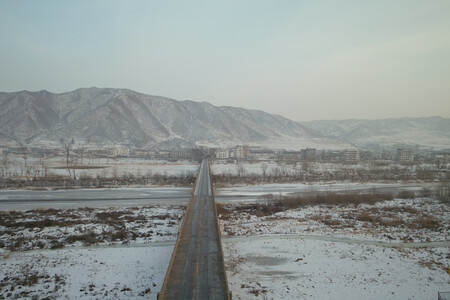

The old Chinese obsession. Since the Qing dynasty ceded part of that region to the Russian Empire in 1860, China has had a geographical thorn. That lost section left Beijing without a comfortable exit to the Sea of Japan. Recovering access through the Tumen has been a silent aspiration for decades.
It is not just a commercial issue. If China manages to navigate freely there, it gains a direct gateway to a space where the Russian Pacific fleet in Vladivostok and the forces of US allies such as Japan and South Korea operate. In other words: a minimum river with maximum impact.

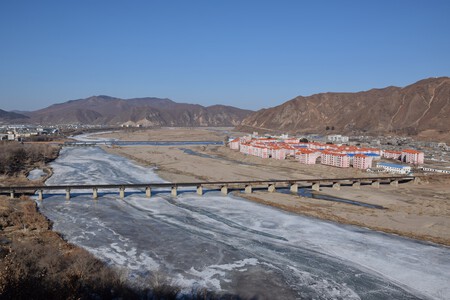
Russia and North Korea are playing something else. The problem for Beijing is that its two neighbors have their own calculations. Although officially Russia has shown some willingness to cooperate, on the ground the reality is more ambiguous. The agreement signed in 2024 between Kim Jong-un and Vladimir Putin to build a bridge over the river further complicates Chinese navigation.
That bridge is more than just infrastructure: it is a political signal. Moscow and Pyongyang are strengthening their bilateral ties, but not necessarily opening more space for Chinese influence.

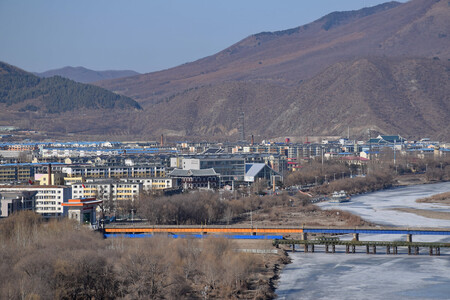
Three allies, three agendas. The situation perfectly reflects the current logic between the three countries: they share interests, but not identical objectives.
While China wants access and strategic depth, North Korea wants Russian military and technological support without becoming too absorbed by Beijing. For its part, Russia wants to use Pyongyang as a military partner and keep China close, but not so close that it feels surrounded in its Far East. This is what some analysts summarize with a simple idea: they are in the same bed, but dreaming different things.
The sea that changes everything. There is no doubt, if China manages to fully open that corridor, the regional equation changes. Today they could be Chinese merchant ships crossing into the Sea of Japan. Tomorrow they could be warships. And there all the alarms go off. For North Korea it would mean living with a more intense Chinese naval presence right next door.
For its part, for Russia it would mean accepting that its peaceful rear is increasingly exposed to the shadow of Beijing. And for Japan, South Korea and the United States it would be confirmation of a new, more active military axis in one of the most tense areas of Asia.

Beijing’s patience has limits. The silence after the last summit between Xi Jinping and Kim Jong Un on the Tumen says much more than it seems. China continues to push, but for now neither Russia nor North Korea seem willing to give it what it wants.
And that can become a source of friction. Because for Beijing, the Tumen is not just a river: it is a question of prestige, access and power projection. And the more Moscow and Pyongyang strengthen their cooperation without counting on China, the more the feeling will grow in Beijing that its two partners are taking advantage of its support… without giving it strategic space in return.
Imagen | Baycrest, Farm, TowerCard
In | Three times as powerful as the Three Gorges: this is the hydroelectric colossus with which China “is trying to tame nature”
In | Taiwan has been inspired by Ukraine by giving its citizens a weapon against China: “It’s like acquiring a new skill”


