




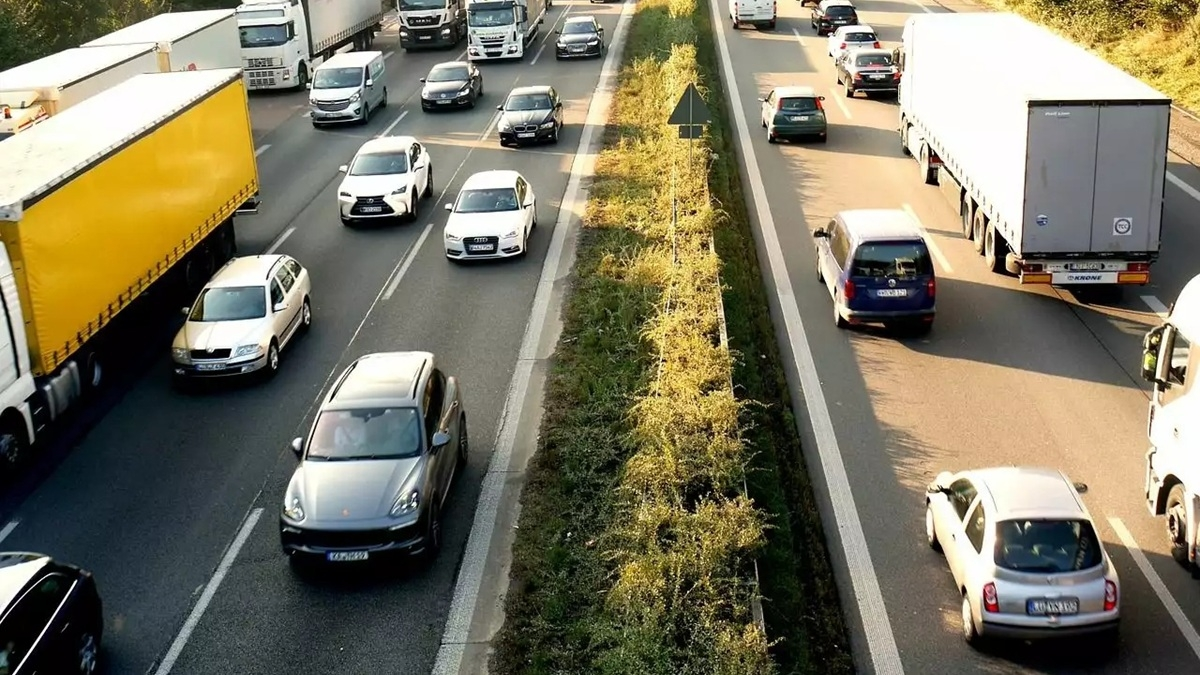
In a message published on its Truth Social platform, Donald Trump triggered a new economic earthquake. The businessman, now president again, bluntly accuses his European partners of not playing the game of the agreement reached last summer.
The sanction is immediate and final: customs taxes on goods vehicles imported from the EU will increase by 15% at 25%. It’s a major pressure surgea unilateral announcement which knowingly took Europe by surprise in the middle of a public holiday. The timing, as is often the case, is not trivial.
Why is Trump raising taxes now?
The official reason given by the White House is the European Union’s slowness in ratifying the existing trade agreement. For the Trump administration, this delay is a pretext for not respecting its commitments.
It is therefore a punitive measure, a way of twisting the arm of Brussels to speed up the timetable and obtain what the United States considers its due. This is the famous doctrine of “ America First » applied to the letter.
In reality, the maneuver is more complex. Behind the displayed impatience lies a well-established economic and political strategy. The objective is clear: to make local production more attractive than imports.
European Union or not, the message is the same for all trading partners: “produce with us, and you will not pay taxes”. Trump also insisted on “ 100 billion dollars » investments underway in new American factories, a figure which serves both as a justification and promise for his electorate.
What are the concrete consequences for Europe and the USA?
For manufacturers in the Old Continent, the impact is direct and potentially devastating. Germany, on the front line, with its giants like Volkswagen, BMW and Mercedesexported nearly half a million vehicles per year to the United States before the first tensions.
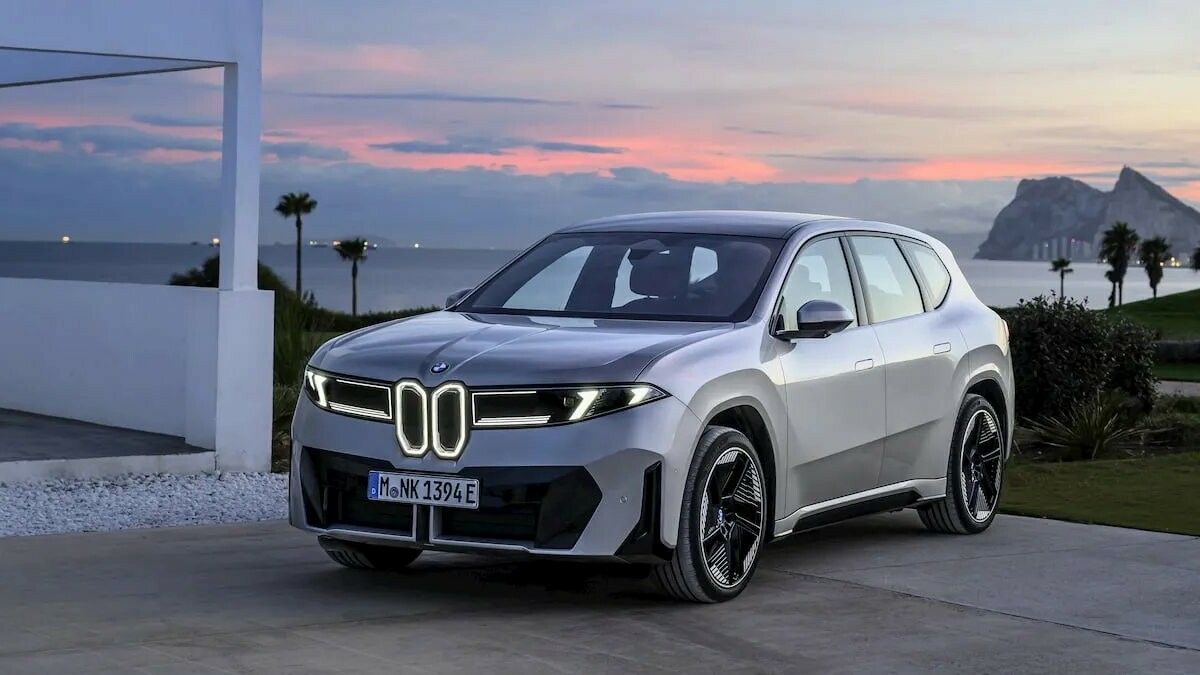

These new tariffs will either brutally cut into their margins or increase the final price for the American consumer. THE European vehicles suddenly become much less competitive.
The calculation is simple: a European manufacturer will now have the choice between three options. Absorb the additional cost of 10%, which is difficult to sustain on a large scale.
Increase the bill for the American customer, at the risk of seeing their sales collapse in the face of local or Asian competition. Or, and this is Trump’s avowed objective, accelerate implementation or the expansion of factories directly on American soil.
Is this decision a simple posture or a real economic risk?
This is a very concrete economic risk, based on an already controversial legal basis. The Trump administration should invoke Section 232 of the Trade Expansion Actwhich authorizes the president to tax imports that threaten the national security.
Using this argument for German cars is a legal sleight of hand that raises eyebrows, even in the United States. These customs duties are therefore not a posture but act as a real economic lever.
The credibility of the threat is total, because Trump has already proven in the past that he does not hesitate to carry out his plans, even if it means shaking up historic alliances.
The European reaction remains measured for the moment. A Commission spokesperson said the EU “ would keep its options open to protect its interests ».
A diplomatic formula which means that retaliatory measures are already being studied. The real risk is there: an “eye for an eye” escalation which would plunge the two blocs into a costly and unpredictable trade war.


