




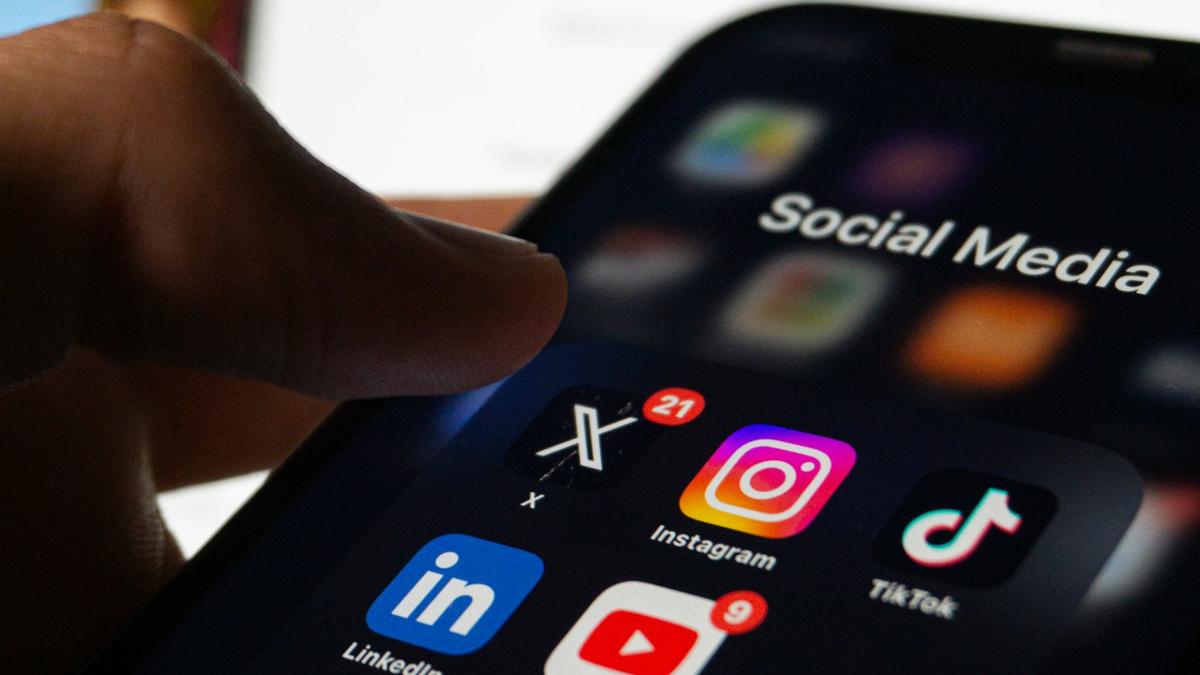
President Emmanuel Macron proposes a “ day without connection » monthly for minors. Designed for September 2026this measure aims to combat overexposure to screens by promoting sport and reading.
It is accompanied by a desire to toughen digital majority at 15 and of restrict access to social networksunder the aegis of the Ministry of Education.
In front of college students in Villers-Cotterêts, he portrayed a generation “ arched » by the intensive use of the smartphone, pleading for a return to “ real life vitality ».
This project, supported by the Minister of Education Édouard Geffray, aims to create a collective breath to rescue adolescents from the influence of algorithms. Mission impossible?
Why establish a offline day every month?
The objective is to reaccustom young people to live without digital tools to preserve their mental health. By setting aside one day per month, the executive hopes to give time back to personal development, reading and physical activity.
Beyond the simple technical break, this is an issue of civilization. The government wants to break the loneliness and chronic inattention generated by the constant flow of information.
The idea of transforming France into a laboratory for digital sobriety is attractive, but it will inevitably clash with the technical reality of homes. This measure seeks to infuse families with a new standard of consumption.
How will the digital majority at 15 apply?
The numerical majority set at 15 years requires strict parental authorization for the youngest. Emmanuel Macron wants the social networks are inaccessible without this sesame before the end of the year.
Summit discussions with Ursula von der Leyen aim to harmonize this pressure at European level to guarantee real application by the tech giants.


Technical control remains the crux of the matter. Without age verification tools infallible, the ban could just be wishful thinking. The Head of State is counting on consultation with the platforms to integrate temporary blocking functionalities.
The protection of the mental health of adolescents will depend on the state’s ability to impose these digital locks on Californian and Chinese companies.
What will be the impact of this measure in schools and high schools?
In fact, this day will not disrupt daily school life since the telephone is already banned in college. However, the innovation lies in the possible extension of this restriction to high schools and certain public places.
The government wants to use schools as a lever to “spread” these good practices within the private sphere. Minister Édouard Geffray is preparing a consultation to define the practical arrangements in September.


It is not a punishment, but a “positive agenda” offering cultural and sporting alternatives. Want to unplug a hyperconnected generation by decree looks like a daring, almost romantic bet in the face of the power of notifications. It remains to be seen whether parents will follow suit once they enter the school gate.
Can the concept of pharmakon really change mentalities?
Using the Greek term pharmakonthe president underlines the ambivalence of digital technology. If the tablet is a powerful educational tool, its unlimited recreational use becomes toxic for concentration.
Reduce the screen time then becomes a necessary detoxification treatment to regain the sense of direct contact. This educational approach aims to empower minors rather than to bully them.
By explaining the mechanisms of addiction, the executive hopes for a surge of awareness among young users of social networks. The success of this national plan will depend less on the law than on cultural adherence to a new connected lifestyle.


