





The regulatory battle against Chinese giant DJI in the United States enters a new phase. After placing new foreign drones on its watch list in December 2025 for alleged risks to national security, the Federal Communications Commission (FCC) is now tackling shell companies. These are suspected of reintroducing DJI technologies to the American market under different brands, thus circumventing the initial restrictions.
Which companies are targeted by this new offensive?
The FCC has identified a specific list of companies in its sights. There are names like Xtra et Skyroverwhich attracted attention by marketing cameras and drones strangely similar to popular products from the Chinese manufacturer, sometimes even at unbeatable prices. Other entities such as Cogito, Fikaxo, or even Spatial Hover are also affected.
These companies are accused of not having responded to requests for information of the agency, which led to a first round of fines of $25,000 each. But the FCC intends to go much further, by proposing a ban pure et simple importing, marketing and selling their equipment. This measure is based on a power that the agency granted itself in October 2025, allowing it to ban retroactively devices already authorized.
How could this ban impact the market and consumers?
The most direct implication of this decision would be the gradual disappearance of these products from the shelves, whether physical or virtual like on Amazon. For products like Xtra Muse 2 cameraan almost exact copy of DJI’s Osmo Pocket 4, this would mean a sudden end to sales. Consumers who have already purchased these devices would not be affected, but unsold inventory could become a dead loss for distributors.
This situation reinforces the isolation of DJI of the American market, a process already triggered by the blocking of its imports and the lack of launch of its latest flagship models. There circumvention strategy via third-party brands seems to have reached its limits. The FCC has also withdrawn its recognition of a chinese testing laboratorySGS-CSTC Shenzhen, which had helped with the certification of some of these products.
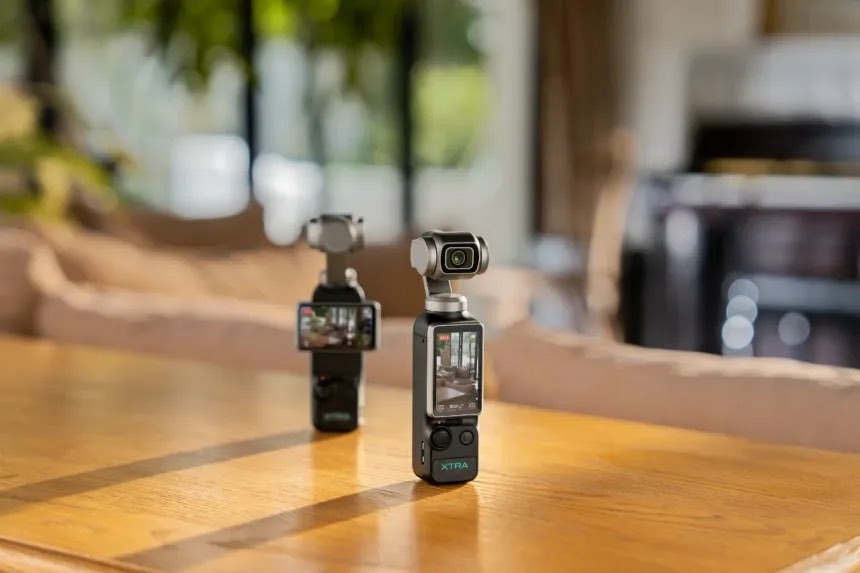

The Xtra Muse
What is the broader context of this regulatory confrontation?
This escalation is part of a persistent climate of distrust towards Chinese technology. American legislators invoke espionage risks and national security, although no public evidence has ever been formally presented to support these accusations. It is to respond to these political fears that DJI relies on l’audit d’OnDefend. While the company has always claimed to keep its data locally and refused any sharing with the Chinese government, this technical analysis finally provides concrete proof: the tests have not detected no transfer of information abroad.
This de facto ban on DJI, which dominates the global marketcreated a vacuum that the competitors are struggling to fillparticularly in the general public segment. Most American manufacturers have reoriented themselves towards military markets. Meanwhile, the FCC is seeking public comment on its proposal, although its history suggests the outcome is likely already decided.


