




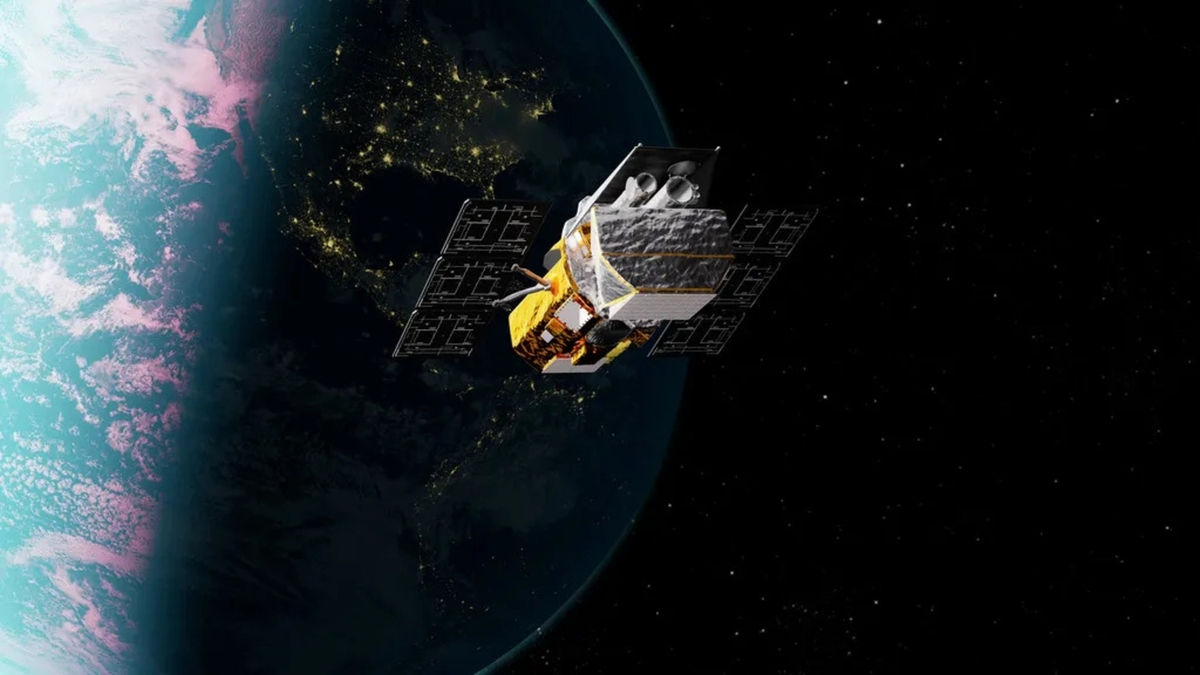
The Neil Gehrels Swift Space Telescope, an observer of the extreme universe in operation since 2004, is engaged in a slow but sure descent towards Earth. Without propulsion systemit is the victim of atmospheric drag, a phenomenon recently worsened by intense solar activity. To prevent its disintegration, a daring rescue mission, led by a private actoris about to launch, marking a potentially historic milestone for on-orbit services.
Why is time running out for the Swift telescope?
Initially placed in a stable orbit, the Swift telescope suffers the effects of atmospheric friction, even at hundreds of kilometers of altitude. This natural process of degradation was brutally accelerated by the recent solar maximum of 2024, more intense than expected. The activity of the Sun caused a expansion of the atmosphere terrestrial, increasing the drag exerted on objects in low orbit.
At the start of 2025, the projections became alarming: the models predicted atmospheric re-entry and destruction of the observatory from the summer of 2026. In response, the NASA acted quickly, signing a $30 million contract with the private company Katalyst Space Technologies. The telescope team has suspended observations scientists to orient the device in a way that minimizes drag, thereby saving valuable time.
What is the nature of this unprecedented rescue mission?
The solution is based on a robotic vessel called LINKdesigned and built by Katalyst in record time. Its mission is a world first: to become the first private machine to capture an American government satellite to reposition it. The launch of LINK is planned for June, aboard a particular launcher, the Northrop Grumman’s Pegasus XLwhich is dropped at altitude from an L-1011 Stargazer carrier aircraft.
Once in orbit, LINK will have to localiser Swift with extreme precision, a complex task because the trajectory of the target is constantly changing. Then he will have to approach and grab it using his robotic arms, a tricky maneuver since Swift was never designed to be grabbed. The goal is to propel it towards a higher orbitpotentially giving him ten additional years of service.
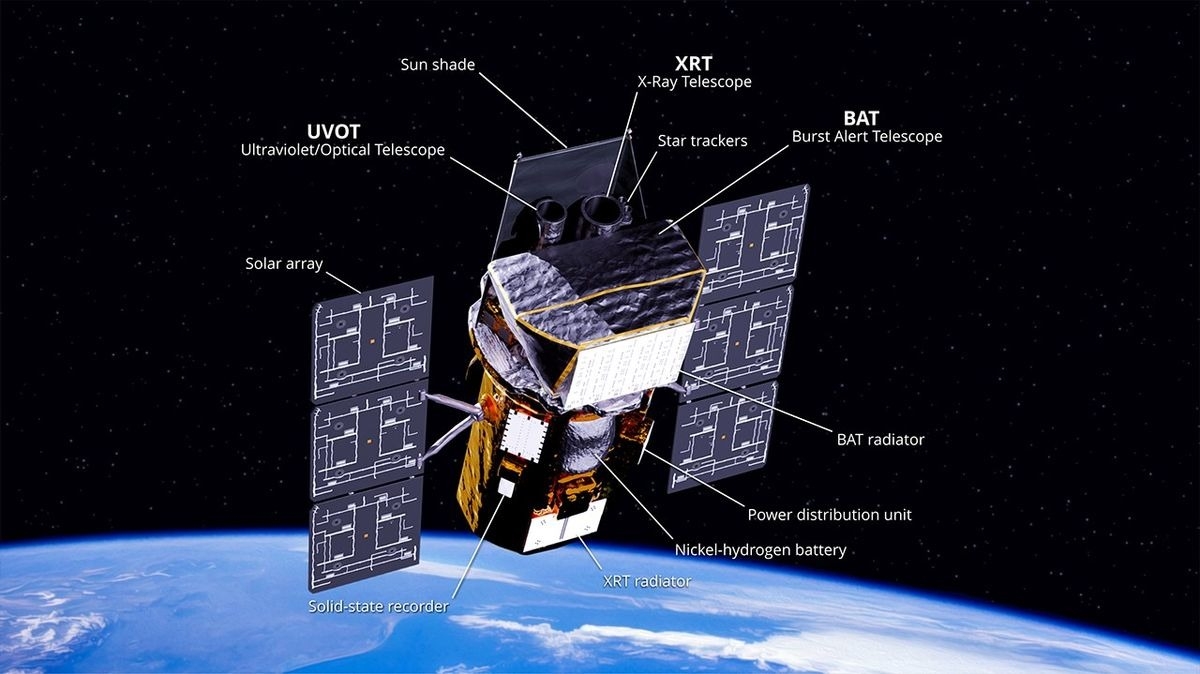

The Swift telescope
What are the challenges and issues of such an operation?
The main challenge is to achieve an orbital rendezvous with a target whose exact position at the time of launch remains uncertain. NASA teams at Goddard Space Flight Center provide weekly orbital predictions to guide the mission, integrating Space Force data and solar weather forecasts. L’structural integrity of the telescope during capture is another major concern.
If the mission is successful, it will validate the concept of on-orbit services by private companies and will extend the life of a valuable scientific instrument. In case of failure, the telescope will disintegrate into the atmosphere, ending a mission of more than two decades. This rescue is therefore a technological bet which could redefine the management of satellites at the end of their life.


