




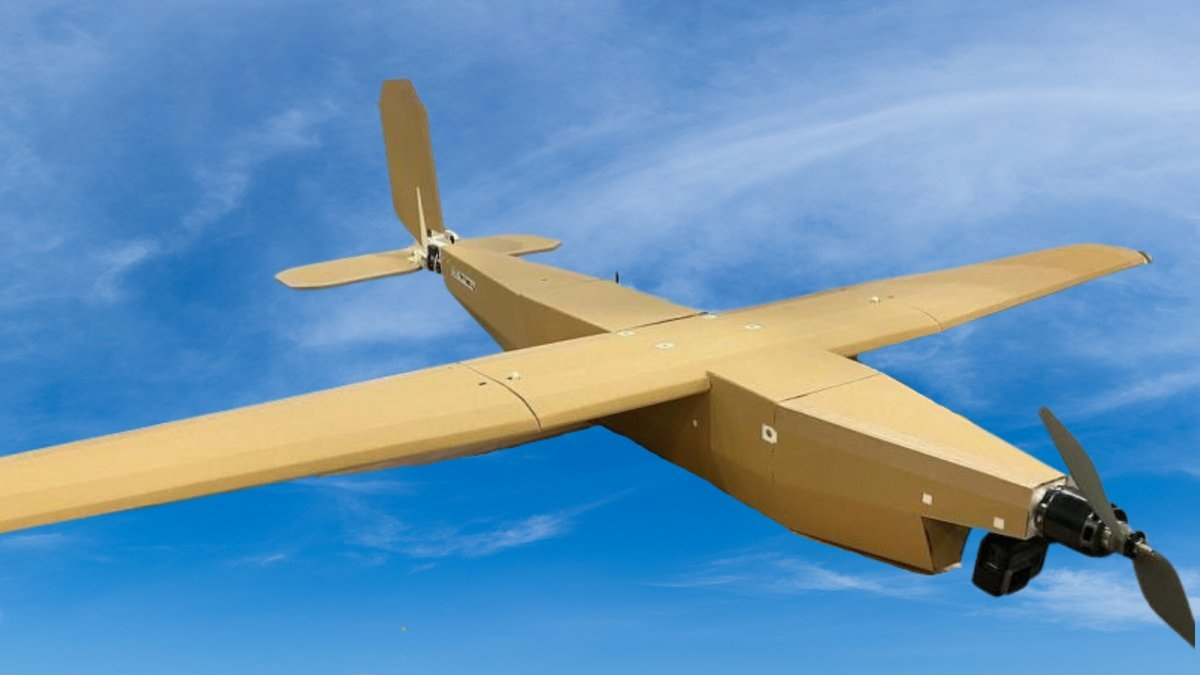
The curtain rises on a new era of asymmetric warfare. Japanese Defense Minister Shinjirō Koizumi confirmed the integration of the drone Air Kamuy 150 within the Maritime Self-Defense Forces.
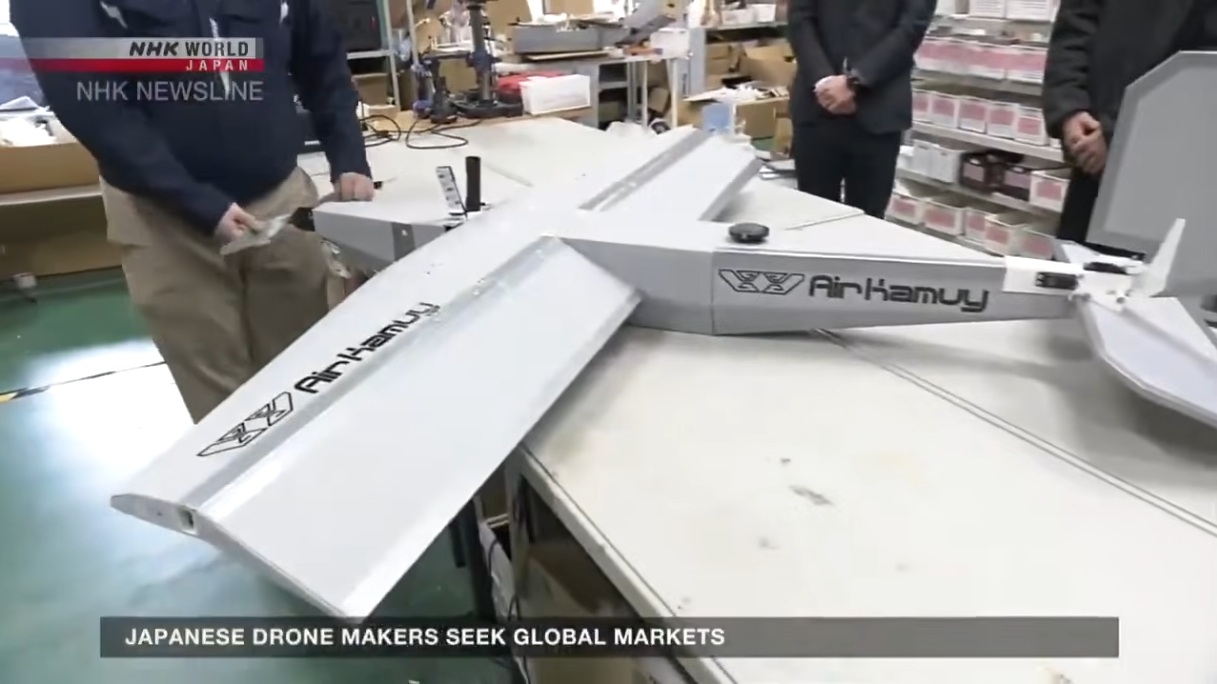
Developed by the eponymous start-up, this machine is a fixed-wing drone, mainly made up of treated corrugated cardboard to resist water and biodegradable resins.
Designed to be expendable, its cost paltry, approximately 2000 dollars eachmakes it almost unbeatable by industry standards where a simple reconnaissance drone costs tens of thousands of dollars and advanced systems cost millions.
What exactly is the AirKamuy 150 cardboard drone?
L’Air Kamuy 150 is a lightweight, single-use drone designed for ultra-rapid mass production and simplified logistical deployment. Each unit is delivered in kitflat, and can be assembled in the field in five to ten minutesa bit like Swedish furniture from a famous brand.
A standard shipping container can carry almost 500. This approach makes it possible to potentially transform any cardboard factory into a military production site, guaranteeing resilient supply chain in case of conflict.
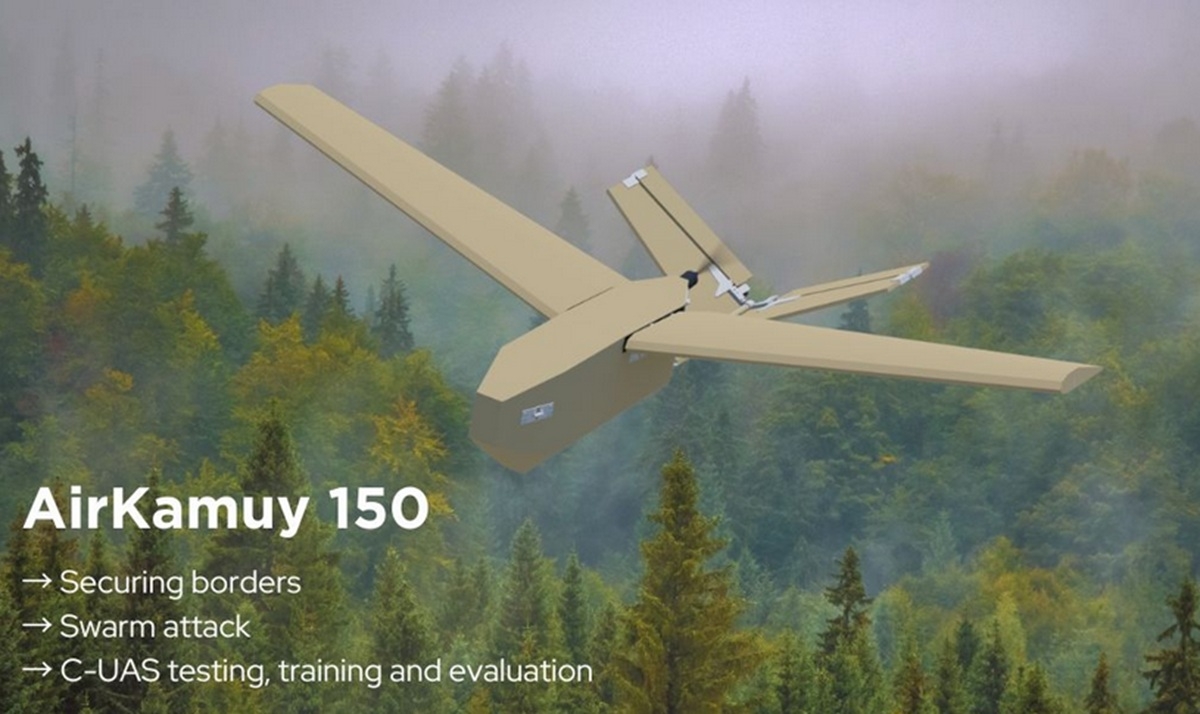
Powered by a electric motorthe machine displays tactical performances consistent with its mission: a flight autonomy of approximately two and a half hours for a range around 150 kilometers.
It can carry a payload of 1.5 kilograms, sufficient for small recognition sensorselectronic warfare equipment (the use of the electromagnetic spectrum to attack an enemy) or limited explosive charge for kamikaze missions.
What are the strategic advantages of a cardboard drone?
The main advantage of the AirKamuy 150 is obviously its cost which authorizes a now fashionable employment doctrine: the saturation. Rather than relying on a single sophisticated and expensive device, the idea is to launch drone swarms to overwhelm opposing air defenses.
Faced with hundreds of simultaneous targets, even the most modern anti-aircraft systems risk overheating and exhausting their ammunition. Cardboard offers another, more subtle advantage: its weak radar signature.

Compared to metal or carbon composites, cardboard reflects radar waves much less, making the drone harder to detect and prosecuteespecially at low altitude.
If it is not completely invisible, this relative stealth complicates the task of defense. In short, cThis is the very doctrine of the war of attrition which is reinvented here on an industrial scale and at low cost. Each drone lost is an anecdotal financial loss but forces the enemy to use missiles which cost a fortune.
Does this type of drone have any weaknesses or limitations?
Obviously, a cardboard drone is not without its drawbacks. Its main weakness is its structural and meteorological vulnerability. Although treated to resist humidity and winds of up to 10 meters per second, it remains much more fragile than its aluminum or carbon fiber counterparts.
Of heavy rain may considerably limit its operational lifespan and effectiveness. It is a “good weather” tool, or at least mild conditions.

Its range and payload are also modest. With a 150 km range, it is limited to short and medium range tactical missions, far from the capabilities of certain thermally powered drones.
The 1.5 kg load limits its offensive role to precision strikes on poorly protected targets. It will not replace a cruise missile, but rather is positioned as a omnipresent stalker and unpredictable.
Why is Japan turning to this technology now?
This initiative is part of a broader overhaul of the country’s defense strategy. THE Japancarefully observing recent conflicts such as that in Ukraine, has drawn lessons from the formidable effectiveness of drones low-cost in attrition warfare (a strategy aimed at exhausting the adversary through continued losses).
This involves equipping ourselves with a massive, inexpensive strike and reconnaissance capability, supported by a robust domestic production to reduce dependence abroad.
This project, called “ Shiraha ”, aims to establish an entirely local drone industry. The AirKamuy 150 is just one piece of this strategic puzzle. It offers a pragmatic response to the proliferation of sophisticated defenses.
Instead of a head-on technological duel benefiting the superpowers, Tokyo is betting on numbers and ingenuity. An army of cardboard hornets ” could well be the smartest answer to electronic fortresses that cost billions, proving that in modern warfare, simplicity can ultimately become the ultimate weapon.


