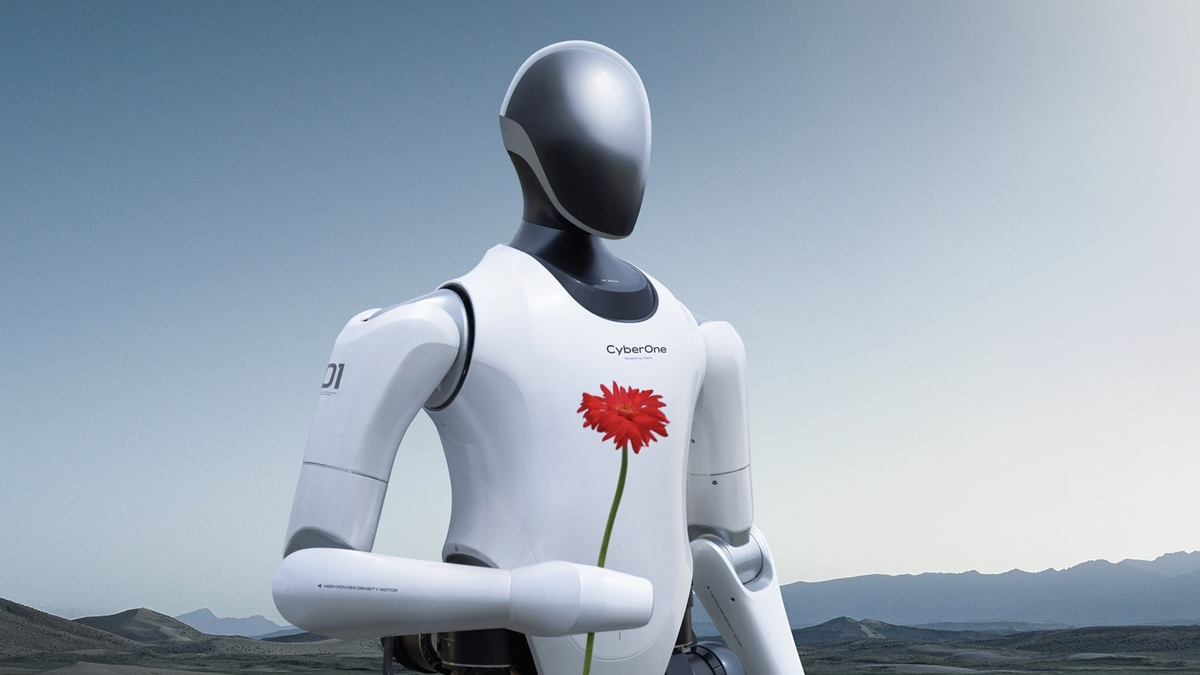
The Chinese group Xiaomi announced spectacular progress for its humanoid robot CyberOnedeployed in its electric vehicle factory.
In four months, its success rate for installing self-tapping nuts increased to 98%, placing it within just 1% of the score of a human operator. The robot now masters new tasks, such as sorting flexible parts, with 90% success.
What is the concrete progress of Xiaomi’s robots in the factory?
The most publicized performance is this famous 98% success rate for installing nuts which places the robot within a hair’s breadth of human operators. But that’s just the tip of the iceberg.
The company has also added two new tasks to its repertoire: sorting the side panels of the center console and folding the parts bins. On these two tasks, the humanoid robots reach a solid 90% successproving their versatility.
This diversification of skills is crucial. It shows that the robot is indeed a platform capable of evolving far from the image of the single-task automaton. The bet of Xiaomi is therefore to develop a versatile digital “worker”, capable of adapting to different workstations within the same production chain, a goal long considered out of reach.
Why is the handling of flexible parts a major advance?
Soft or irregular materials are the nightmare of traditional automation. Unlike a rigid metal part, a flexible component can deform, slide and change shape, requiring perception and dexterity much finer.
The fact that Xiaomi’s robot sorts console panels for extended periods of time without human intervention is a significant first in a automobile factory.
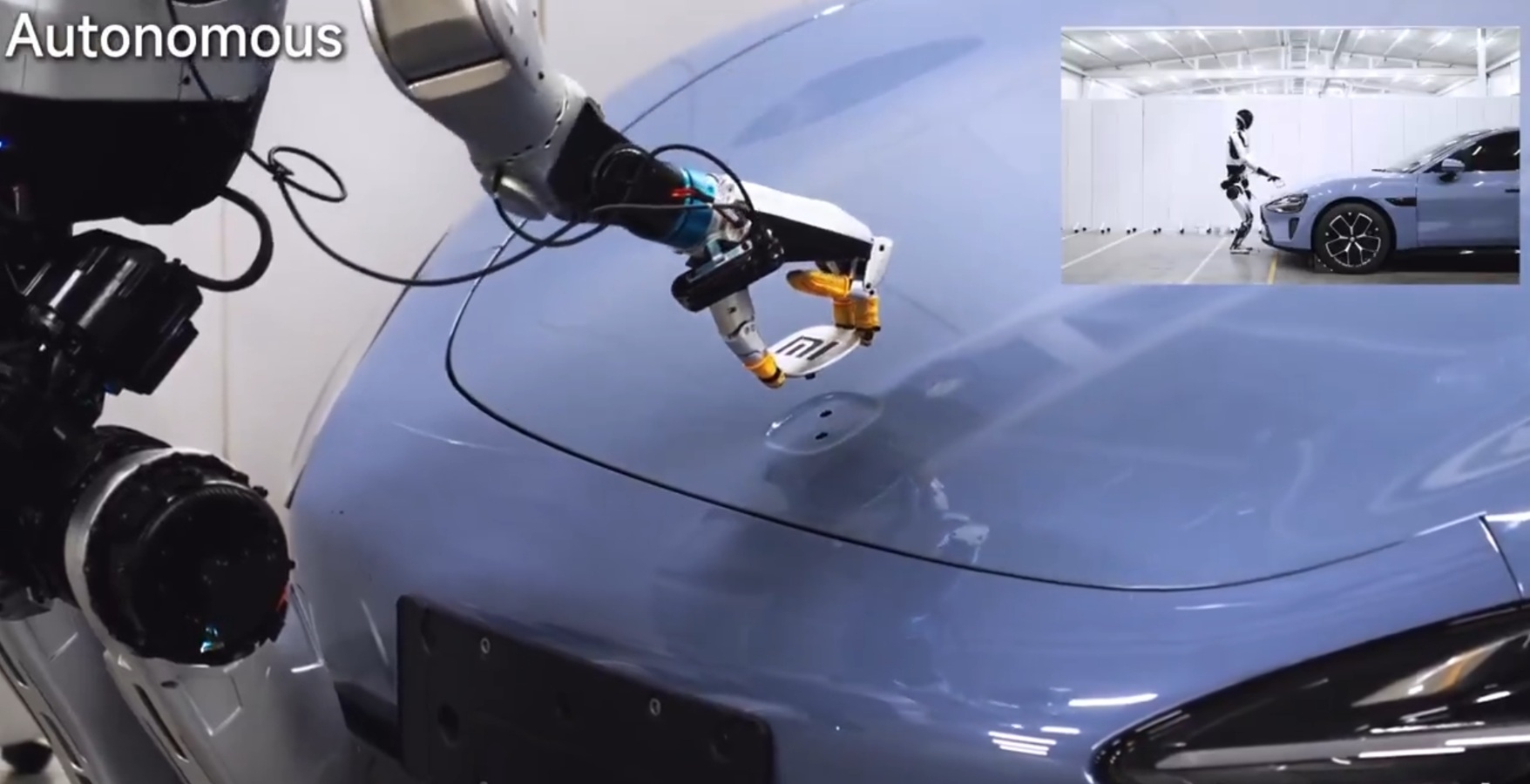

It is a real technical challenge based on advanced perception algorithms and ultra-precise motor control. Manipulating an object that does not have 100% predictable behavior requires a form of calculated improvisation.
For many experts, this is where the true intelligence of an autonomous system comes into play, much more than in the simple repetition of gestures on rigid objects.
How does Xiaomi position itself against the competition?
Xiaomi is not alone in this race for the robotic worker. The competition rages, and each actor puts in his show of strength. The start-up Figurefor example, recently broadcast a live broadcast of more than 20 hours showing its robot Figure 02 perform logistical tasks continuously.
For his part, AgiBot hit even harder with a livestream of 64 consecutive hours on a tablet production line, boasting a staggering 99.99% success rate.
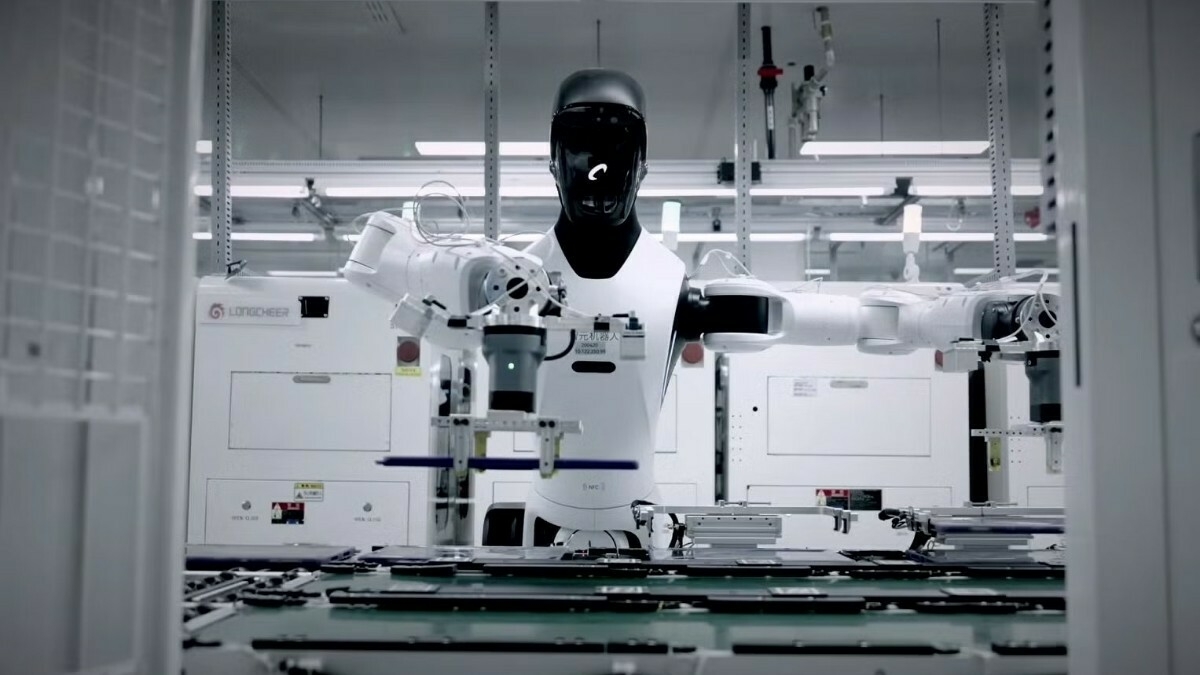

Faced with these reliability marathons, Xiaomi’s performance may seem more modest but it is strategically different. The company focuses on integration into an existing and complex automotive production environment with very specific tasks.
What is Xiaomi’s long-term strategy for its robots?
The vision of Lei Junthe CEO of Xiaomi, is going through the transformation of his own factories. The company has gone from the living room robot, the CyberOne presented in 2022, to a real industrial tool.
The stated objective is to deploy “ a large number » of these self-developed robots in its factories over the next five years. For the moment, the use remains internal and uses its own production lines like a huge open-air laboratory.
This approach allows Xiaomi to perfect its technology in real conditions, far from formal demonstrations. By mastering both hardware and software, the company is building an essential building block of its industrial empire.