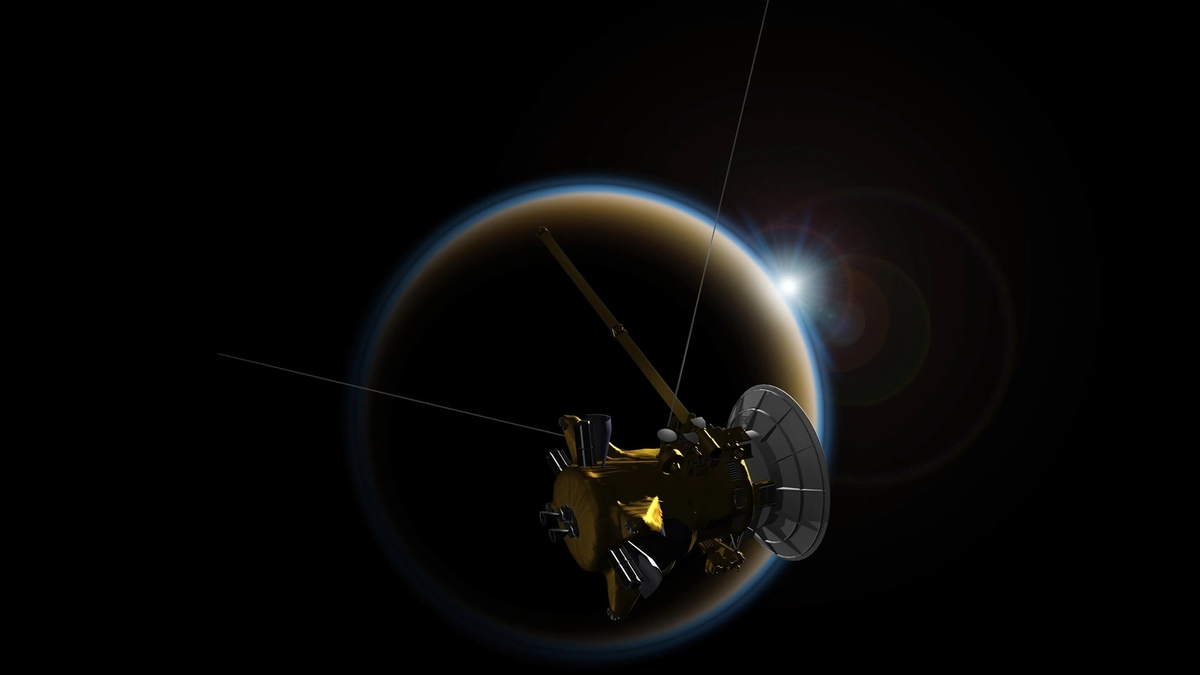
Researchers at NASA’s Goddard Space Flight Center have just thrown a wrench into the cosmic pond by suggesting making Titan a gigantic relay station for human exploration. This is the very serious conclusion of a study, awaiting publication in the journal Acta Astronautica, which sees in this icy outpost the key to our future in the distant solar system.
Why is Titan considered the ideal gas station of the future?
The moon displays an undeniable advantage: hydrocarbons in large quantities and very accessible. The case of Titan is unique, it is the only known star, outside of Earth, to have a dense atmosphere and stable liquid areas on its surface. Except that its lakes and seas are not filled with water, but with methane andethane liquids. A real treasure for the application of the concept of ISRU (In-situ resource utilization, or the exploitation of resources on site), which aims to produce what we need directly where we are.
This chemical wealth offers colossal potential. The hydrocarbons present on Titan, such as propane or butane, could not only serve as fuel for rockets heading to the far reaches of the solar system, but also as raw materials. We are talking here about producing plastics, synthetic rubber, or even nutrients and spare parts via 3D printers. Clearly, a refueling station which would also be a multifunctional factory.
What are the concrete challenges to overcome on Titan?
Install a base on this moon of Saturn means facing Dantesque conditions. The average temperature there is -179 degrees Celsiusa cold capable of instantly freezing most materials. In addition, atmospheric pressure is 50% higher than on Earth and gravity is seven times weaker, which would pose enormous adaptation problems for humans and equipment.
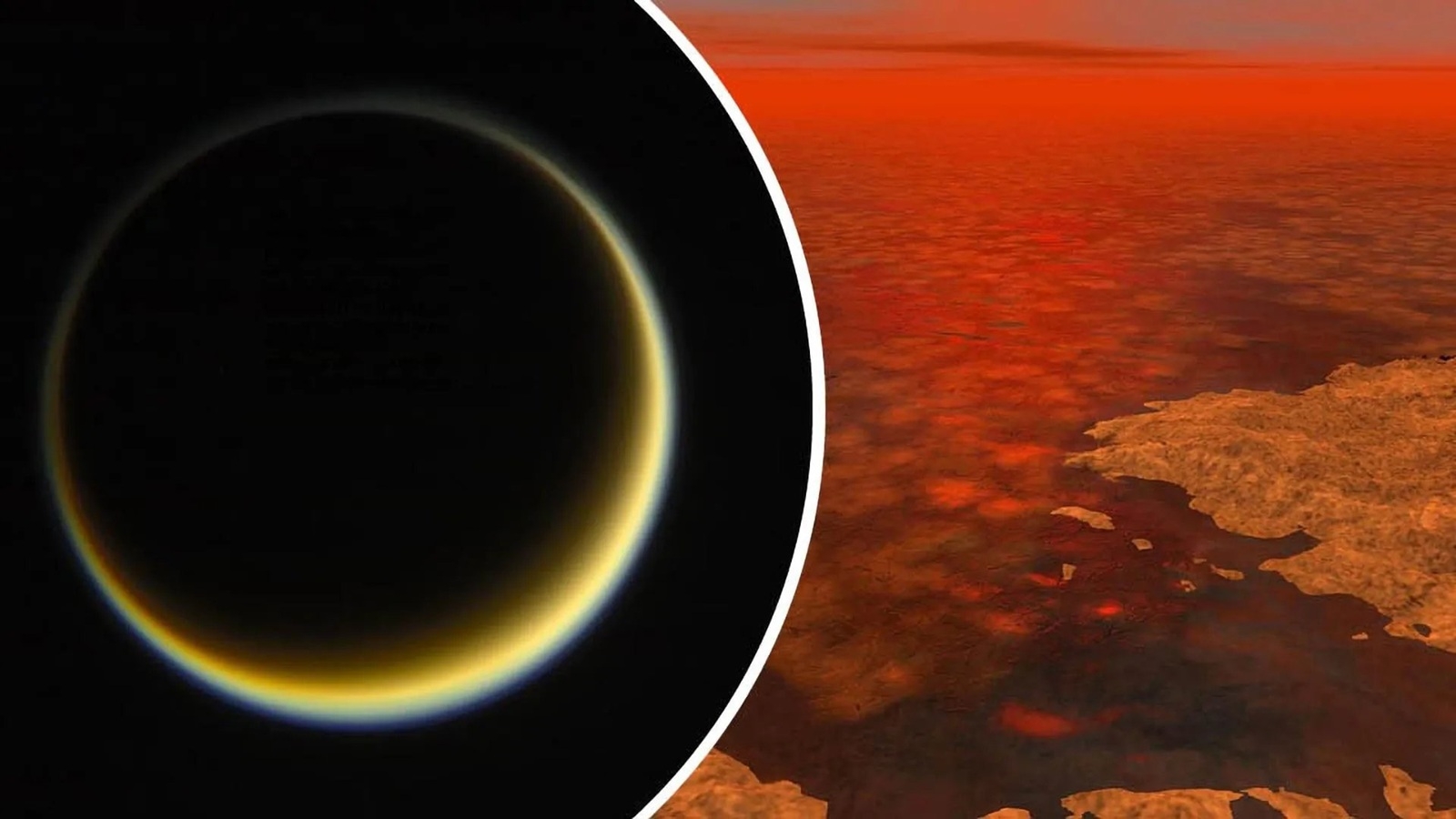

The main challenge, however, remains the almost total absence of free oxygen in the atmosphere, an essential element for the combustion of fuels. To operate the engines, this oxidant would therefore have to be produced on site. The most likely solution would be to extract it from the water icepresent in abundance beneath the surface of Titan. The management of these space resources autonomously represents the real technological challenge of such a project.
What’s the next step to explore this vision?
For now, this all remains a very long-term vision. But a crucial step is looming on the horizon. There NASA actively prepares the mission Dragonflyscheduled to launch in 2028. It involves sending a car-sized drone to fly over and analyze different regions of Titan’s surface.
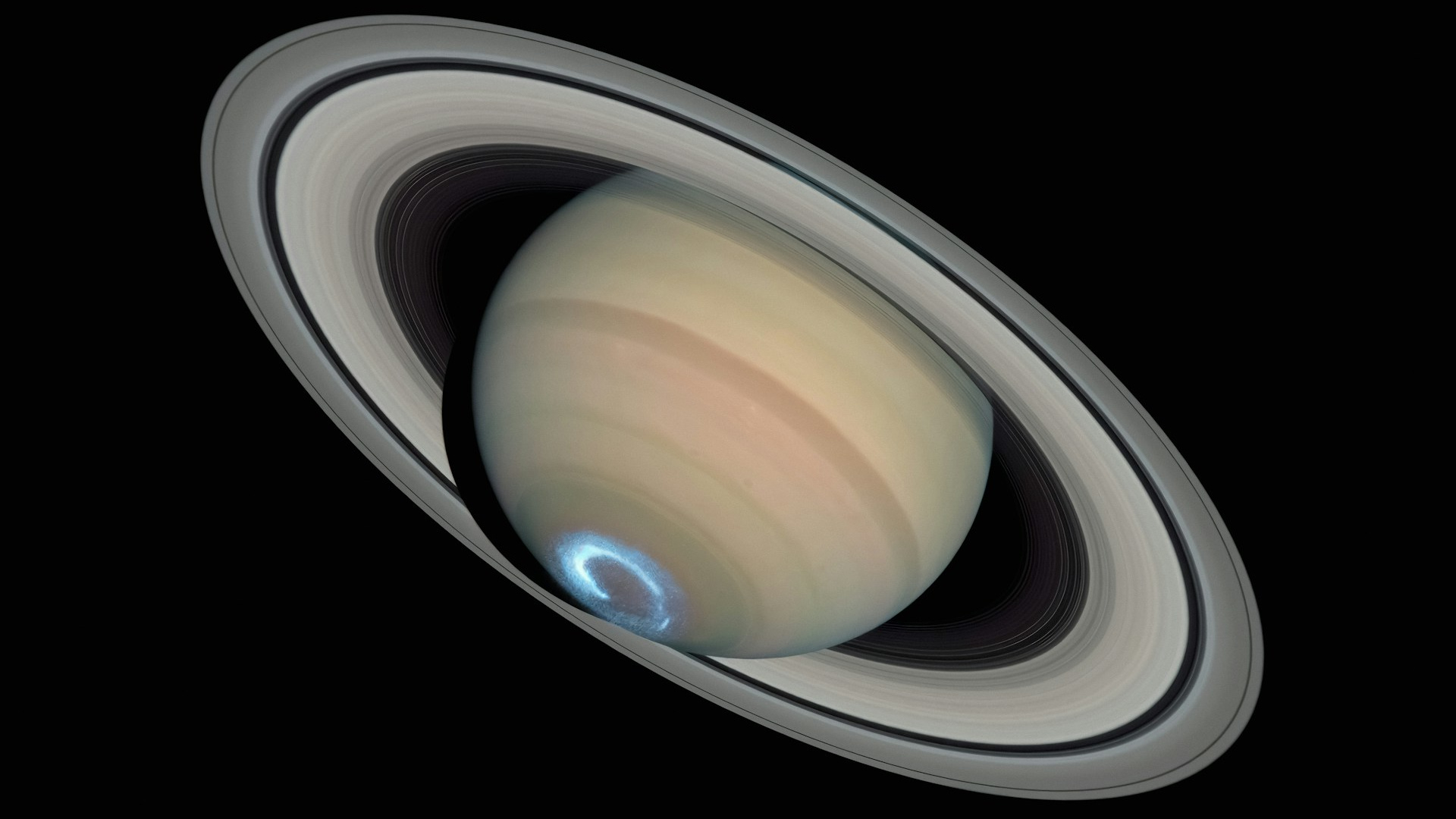

This mission will aim to verify theories on the chemical composition of the moon in the field and to look for clues about possible past or present habitability. The data collected by Dragonfly will be absolutely decisive to confirm whether the dream of a base on Titan is a realistic goal or whether it will remain confined to the pages of scientific publications.
Frequently Asked Questions (FAQ)
What is the Dragonfly mission?
Dragonfly is a NASA mission that will send a robotic aircraft, similar to a large drone, to Titan. Its goal is to study the prebiotic chemistry and habitability of dozens of different sites on this fascinating moon, traveling from one point to another in short flights.
Why is Titan more interesting than Mars for resupply?
If Mars is closer, Titan has a major advantage: its hydrocarbons are directly accessible in liquid and atmospheric form. On Mars, the production of fuel (methane) requires a complex process (the Sabatier reaction) from the atmosphere of CO2 and imported or locally produced hydrogen. Titan is, in comparison, an already full natural reservoir.