




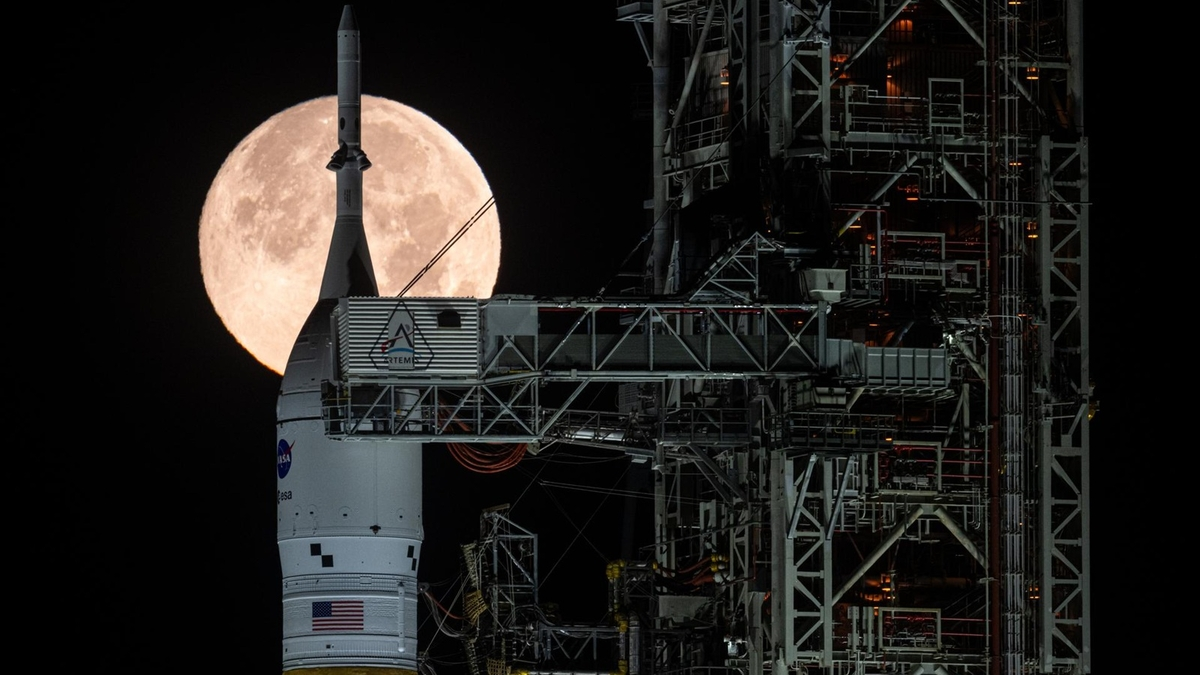
The programme Artemis changes face. There NASA officially confirmed that the mission Artemis IIIwhich was to mark humanity’s return to the Moon, will take place exclusively in low earth orbit (LEO).
Four astronauts, whose identity remains to be determined, will take their place aboard the capsule Orionlaunched by the mega-rocket SLS (Space Launch System). The complex orbital ballet that is coming will test meeting and docking procedures with future lunar landers from SpaceX and Blue Origin.
Why did NASA radically change the plans for Artemis III?
NASA changed mission plans Artemis III to transform this mission into a full-scale validation test of critical systems. Rather than risk a first docking attempt 380,000 kilometers from Earth, the space agency chose the safety and flexibility of Earth orbit.
It is a question of “reducing the risks” before embarking on the most dangerous phase of the program: the moon landing, now planned during the following Artemis IV mission.
The third part of the program will be a real operational crash test. As NASA’s Jeremy Parsons pointed out, this is one of the most complex missions ever undertaken.
For the first time, the agency will coordinate a launch campaign involving several vessels from private partners. It will be necessary to ensure that the capsule, the crew, the ground teams and the lander prototypes can interact without a hitch, before attempting the big jump to the Moon with Artemis IV.
Concretely, what will the astronauts do during this mission in orbit?
The crew will spend more time aboard the capsule Orion than that of Artemis II, pushing life support systems to their limits. The main activity will be a high-precision orbital ballet: piloting Orion to approach, then docking with at least one, if not both, “pathfinders” of SpaceX and Blue Origin landers.
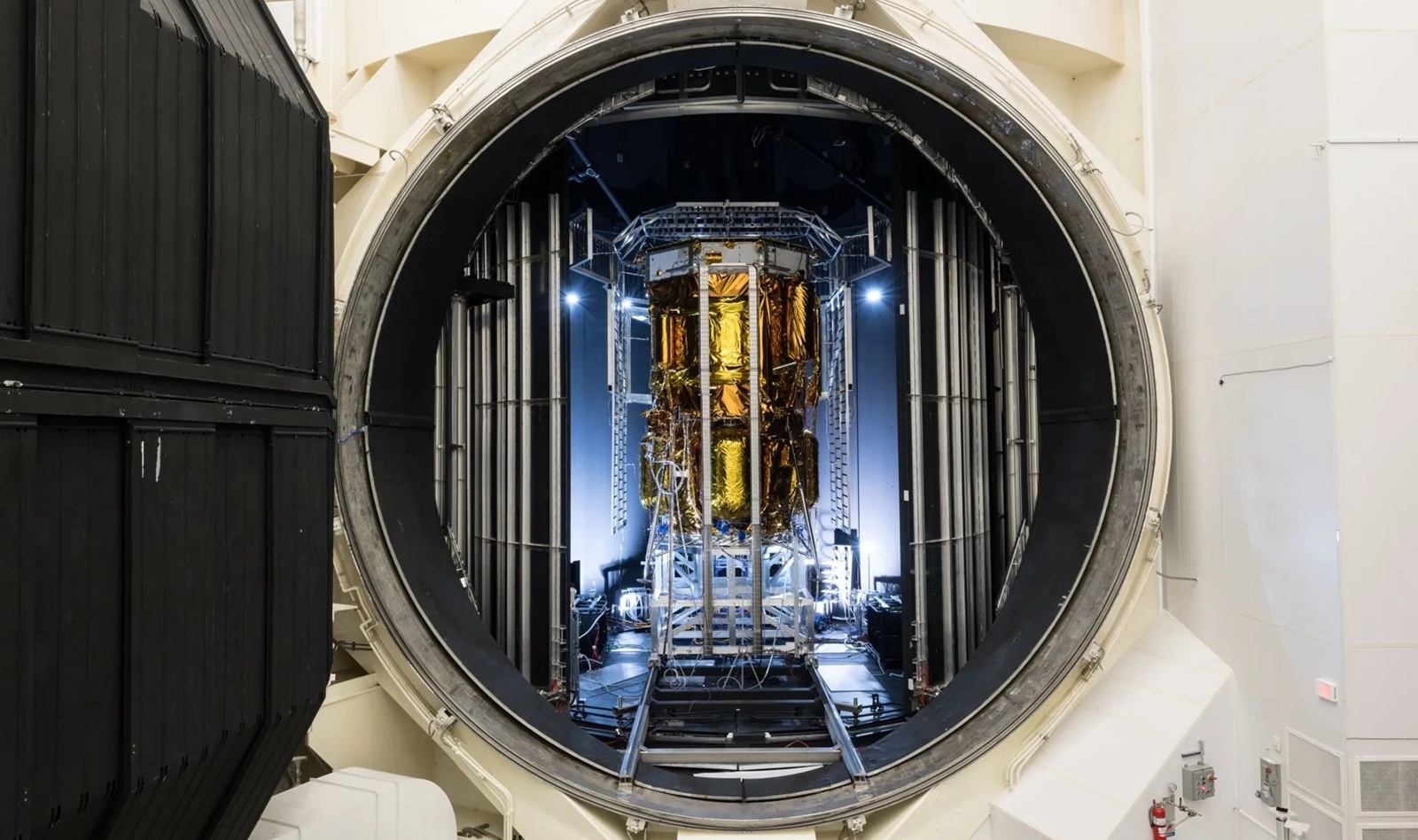

NASA even raised the possibility that astronauts could “ potentially entering at least one lander test article “. This maneuver would be crucial for validating interfaces and hatch procedures.
The mission will also test a improved heat shield for Orion during its atmospheric reentry. It’s a dense but necessary roadmap that will transform Earth’s orbit into a veritable lunar training ground.
What are the technical implications of this change of direction?
This strategic pivot leads to notable hardware changes, starting with the SLS rocket. The cryogenic upper stage, useless for simple placement in Earth orbit, will be replaced by a “ spacer » (a mass simulator). It is an inert part which has the same dimensions and weight as the propulsion stage, but without the motors.
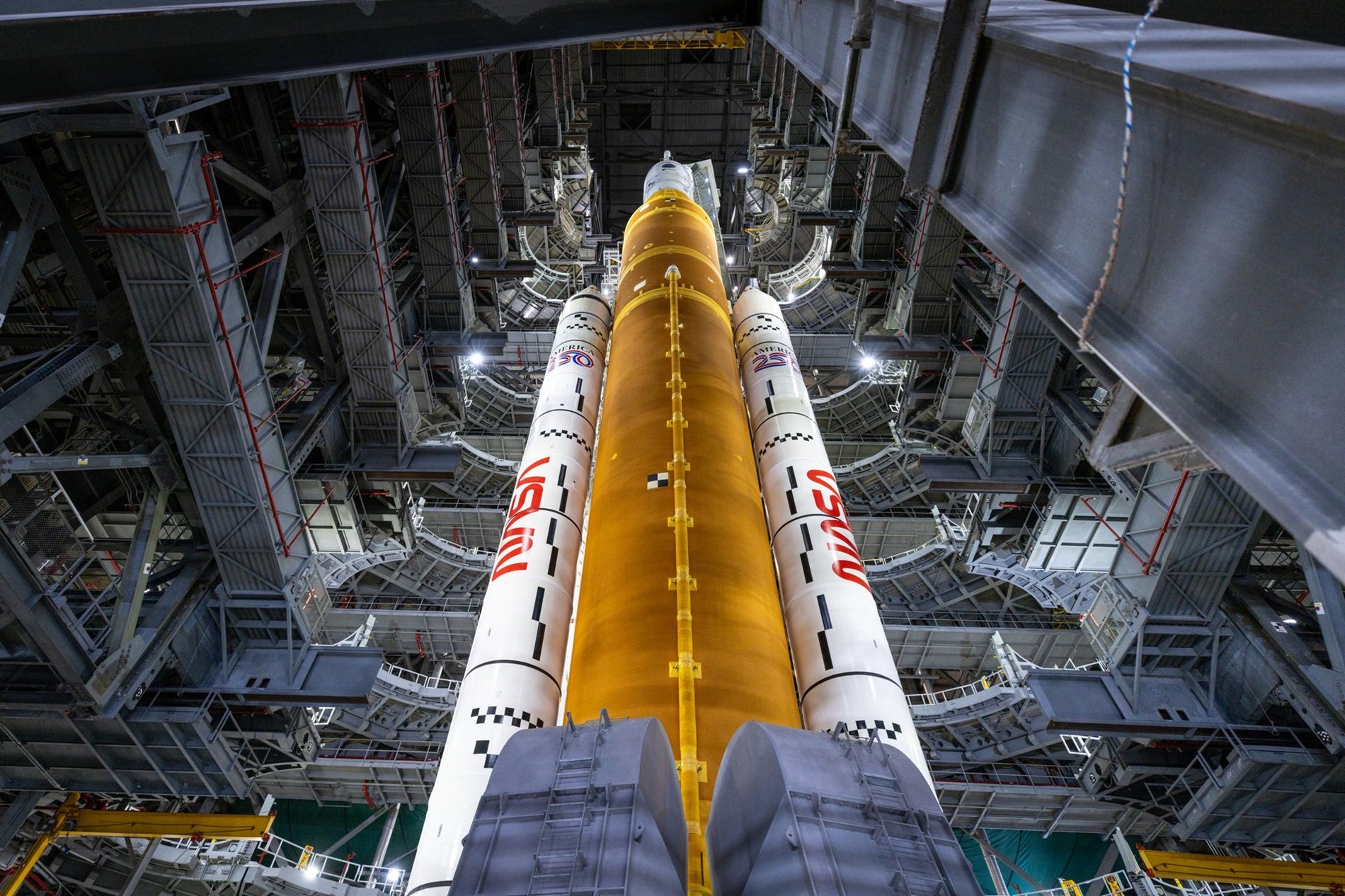

A substantial saving and a welcome simplification for an already complex mission. Orion’s European Service Module will then provide the thrust needed to circularize the orbit.
The choice of low orbit also offers a major logistical advantage: it multiplies the launch windows for each element (Orion, the lander of Blue Originthe lunar lander of SpaceX).
Coordinating three separate launches to the Moon is very complex while doing so in Earth orbit is much more flexible. The mission will also assess new communication solutions because it will not use the prestigious Deep Space Network, reserved for distant missions.
Doesn’t this disguised postponement endanger the American lunar calendar?
This orbital repetition, although prudent, raises a major dilemma for NASA, a real strategic headache. By choosing to fly early, potentially in 2027, the agency ensures that it tests its procedures with prototype landers that will be far from being finalized.
NASA even hinted that crews might not enter the modules, suggesting that the modules might not have functional life support. This is a departure from the golden rule of the space industry: “ test like you fly » (test under real flight conditions).
The alternative would be to wait until Spacex et Blue Origin provide more mature vehicles, but this would further postpone the mission and the moon landing of Artemis IV.
This wait would jeopardize the concordance of the calendar and leave the field open to Chinese lunar ambitionswho are making great strides. For NASA, this is a strategic moment: choosing between technical prudence and geopolitical tempo, a compromise that could cost precious months in the new race for the Moon.


