




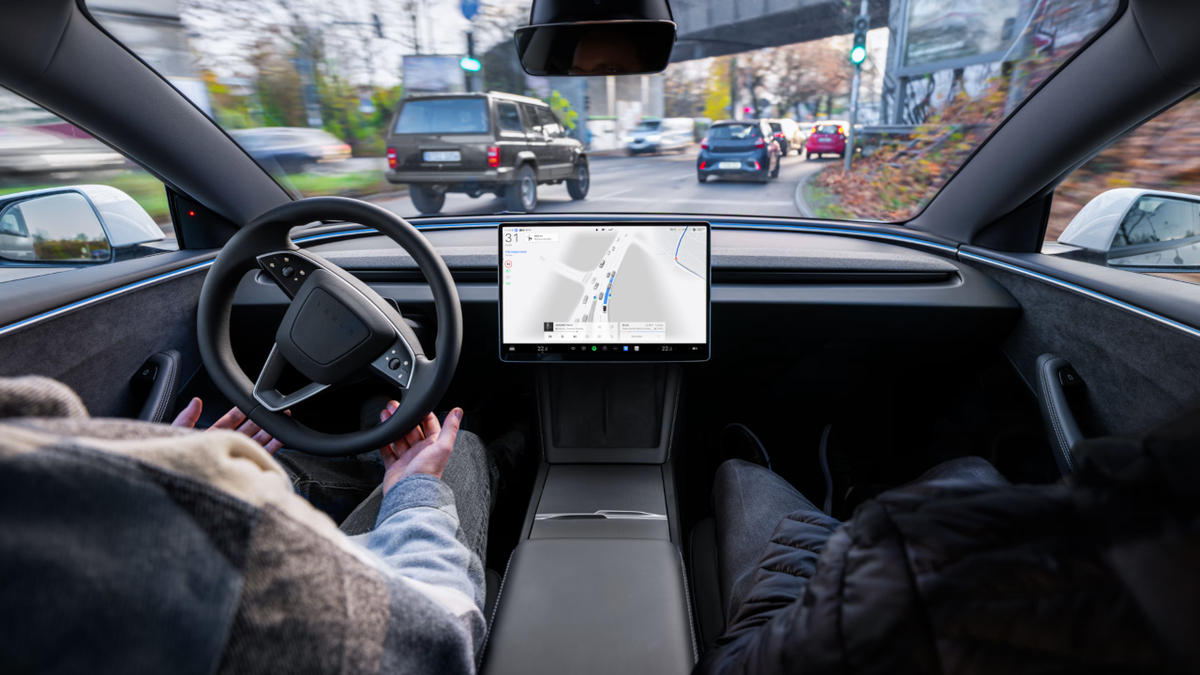
The American manufacturer Tesla is betting big on the deployment of its technology « Full Self-Driving » (FSD) to regain market share in Europe. However, internal documents and exchanges between regulators revealed by Reuters reveal a gap between the ambitions of the company and the regulatory reality. An initial approval obtained in the Netherlands in April is not enough to convince the other member states, who point out many gray areas.
Why is a first approval in the Netherlands not enough?
L’FSD approval by the Dutch road authority, the RDW, was an important milestone for the manufacturer. The company has chosen an exemption procedure for “new technology”, allowing a single country to issue a provisional authorization before offering it to the entire Union. This approach was initiated after 18 months of trials on public tracks and roads.
However, this validation only applies to Dutch territory and does not bind other countries in any way. For adoption on a European scale, a “qualified majority” from at least 15 of the 27 member states, representing 65% of the bloc’s population, is required. The matter is now being discussed within the Technical Committee for Motor Vehicles (TCMV) in Brussels, where the issues of road safety are essential.
What are the concrete fears of European regulators?
THE concerns raised by the authorities of countries such as Sweden, Finland or Denmark are multiple and precise. A major sticking point is the system’s tendency to exceed permitted speed limits. The performance of autonomous driving on icy roadsa crucial issue for the Nordic countries, also remains a subject of questioning.
Beyond the technical aspects, the very name of the technology, « Full Self-Driving (Supervised) »is criticized. Regulators believe that this name can be misleading for consumersleading them to believe in total autonomy while the driver’s constant vigilance is imperative. The ability of drivers to circumvent guardrails, such as using phones while driving, is also a cause for concern.

What timetable for possible European validation?
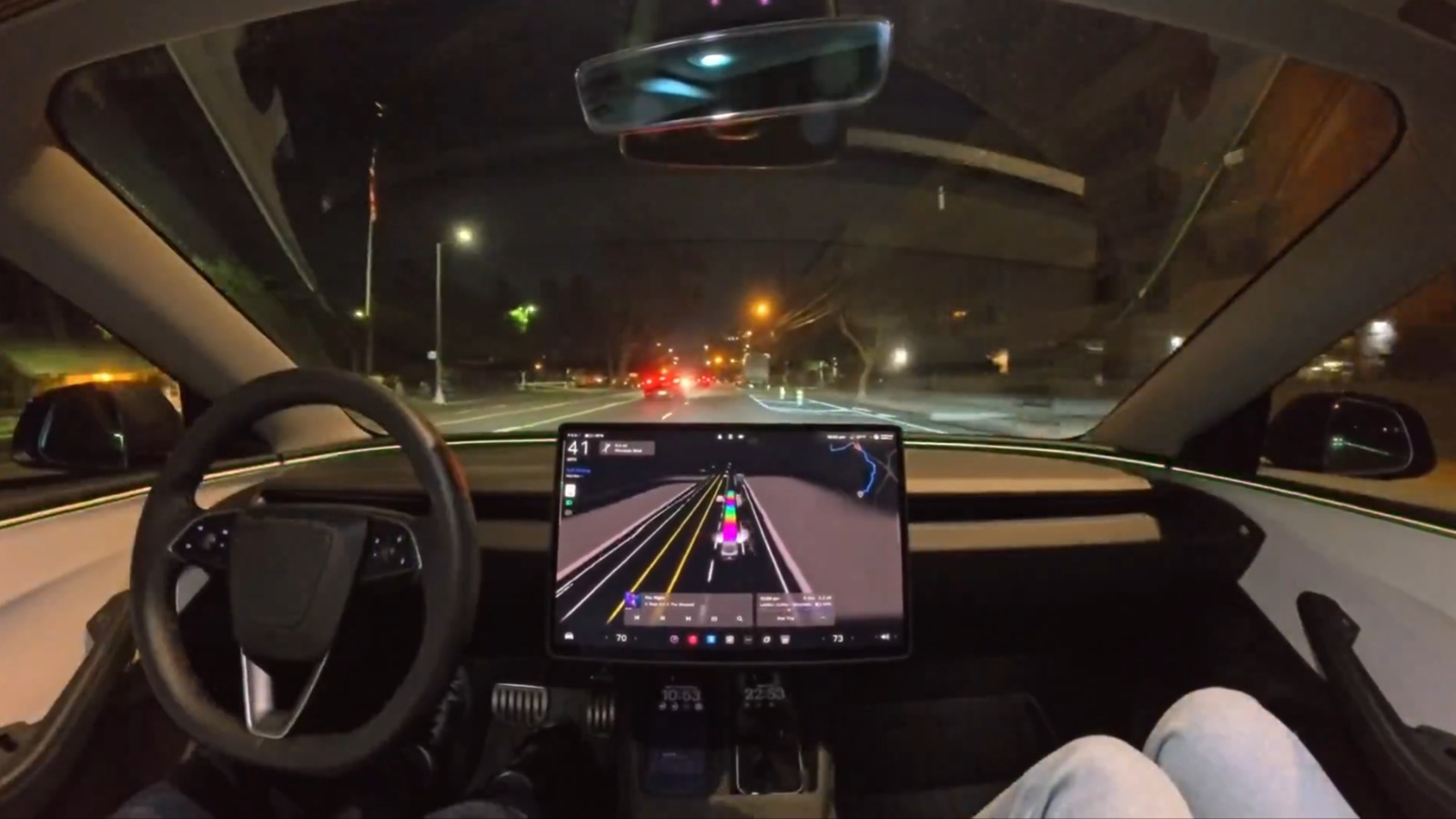
The CEO Elon Musk often displayed his optimism for rapid approval, but the facts suggest a more complex reality. While discussions are underway, no vote is immediately planned. The next meetings of the relevant committee could take place in July or October, but this does not guarantee a final decision.
In a confidential presentation shared with regulators, Tesla itself is now counting on authorization « at EU level » for the second or third quarter of 2026. In the meantime, the firm encourages its clients to do pressure on the authoritiesa strategy which has also aroused the annoyance of certain officials who see it as an inappropriate maneuver.


