




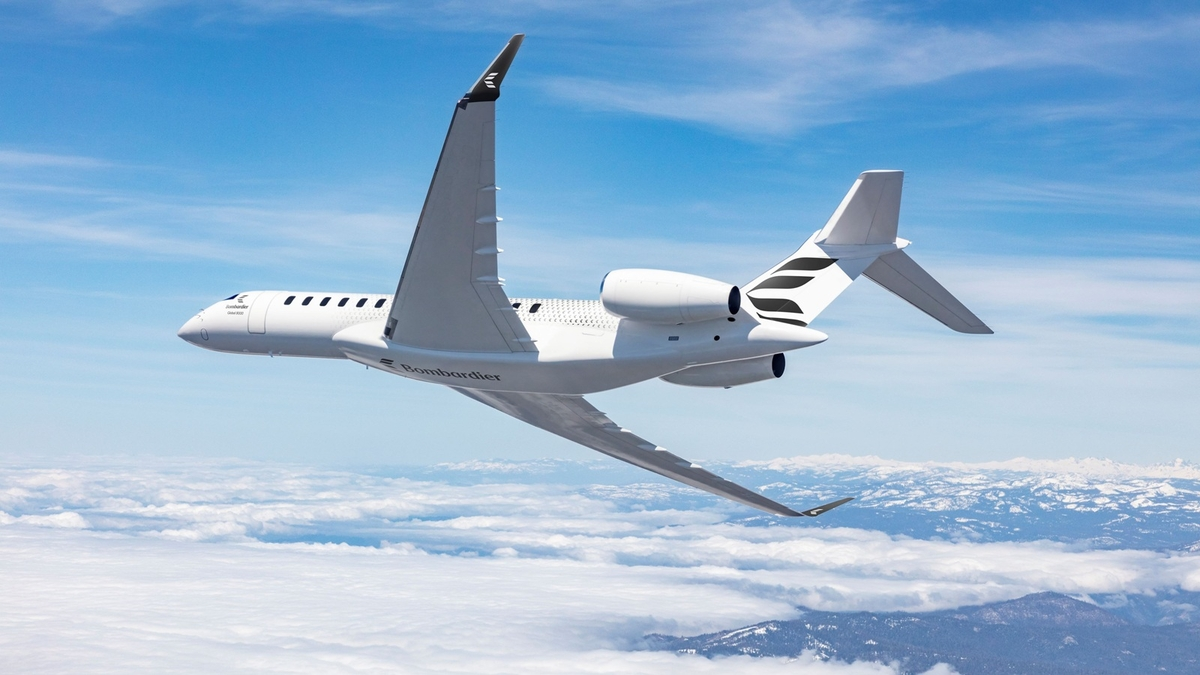
The Canadian manufacturer Bombardier took off its brand new Bombardier Global 8000 from Montreal for a very special mission: to bring its passengers to the Monaco F1 Grand Prix.
The destination, Nice, was reached in just over six hoursestablishing a first transatlantic speed record for this device. The demonstration aims to confirm the status of this aircraft as the fastest civil aircraft since the withdrawal of Concorde.
Why is the Global 8000 considered the most efficient jet?
The Global 8000 stands out with a unique combination of speed, autonomy and comfort. Its certified top speed at Mach 0.95 (i.e. 95% of the speed of sound) allows it to significantly reduce flight times over very long distances.
Able to cross 8,000 nautical miles (approximately 14,800 km) non-stop, it can directly connect city pairs such as Dubai-Houston or Singapore-Los Angeles, erasing geographical constraints.
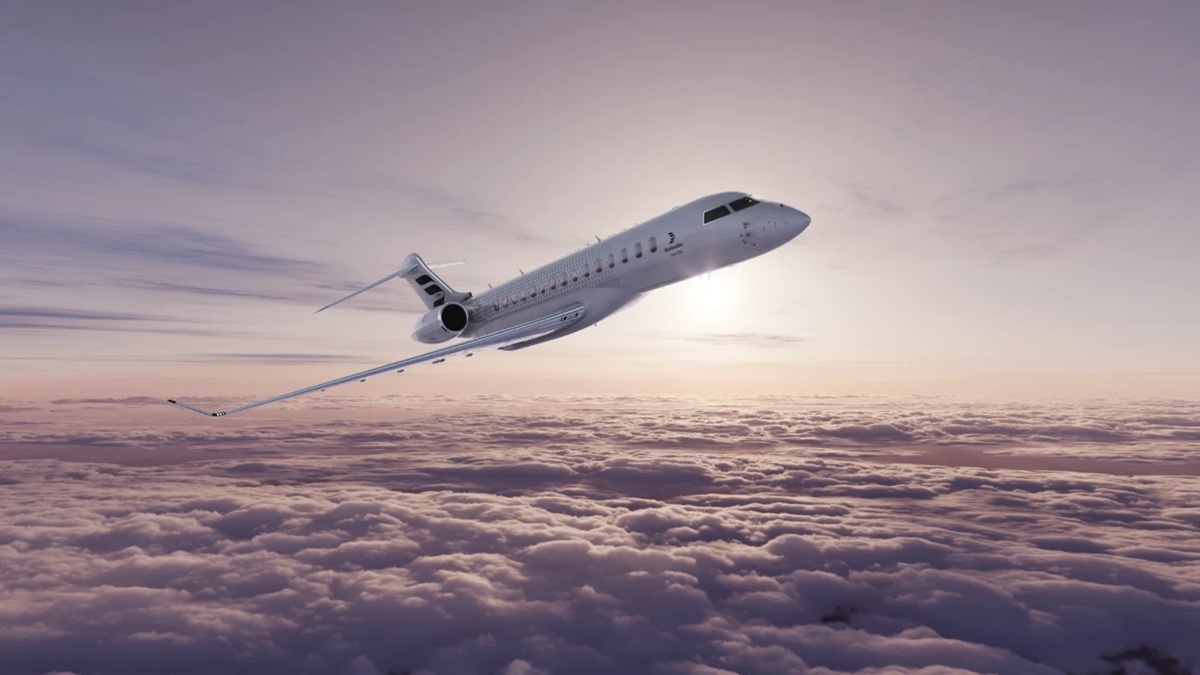

But raw performance is only part of the equation. This business jet was designed to be an uncompromising platform for working and living. The Montreal-Nice record confirms that the haute performance perhaps can transform flight hours into productive time or real rest.
What makes its cabin so exceptional for long-haul flights?
Bombardier has tackled head-on the main enemy of long-distance travelers: fatigue. The Global 8000 has lowest cabin altitude of all business aviation.
Maintained at only 2,691 feet (approximately 820 meters) while the aircraft flies at 41,000 feet, the interior pressure significantly reduces physiological stress on the human body. Concretely, passengers breathe denser and better oxygenated air when arriving at their destination. cooler and alerts.
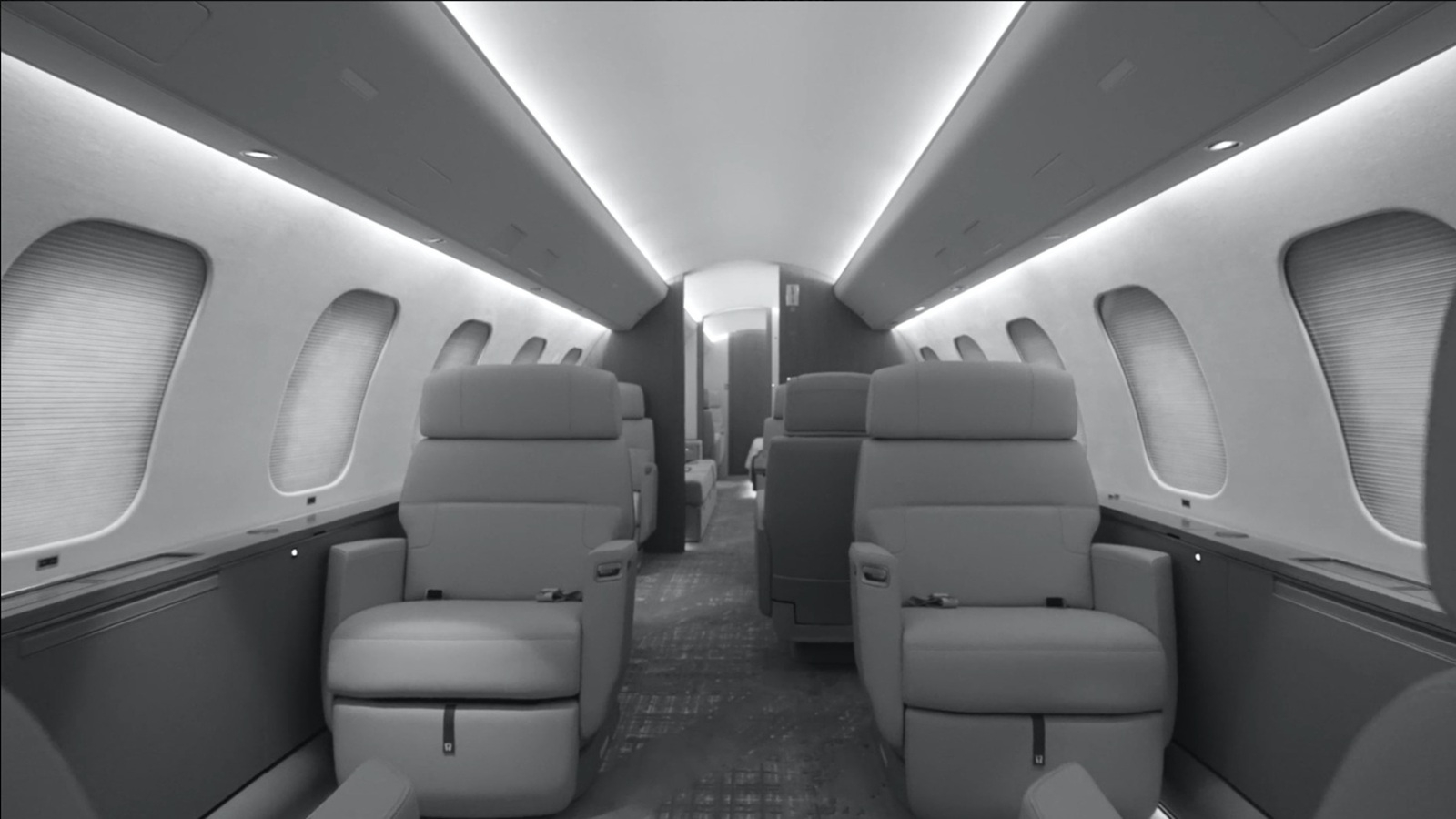

Added to this innovation is an interior layout designed like a luxury suite. The cabin is divided into four distinct living areasincluding a real kitchen and a suite with a bed.
How can such a large jet land on short runways?
This is undoubtedly the most surprising asset of the Global 8000. Despite its size and endurance, it displays takeoff and landing performance comparable to those of a light jet.
The secret lies in its high-tech wing, the “ Smooth Flĕx Wing “. It is equipped with leading edge slats and double-slotted Fowler flaps, a combination that allows it to fly at approach speeds much lower without risking dropping out.
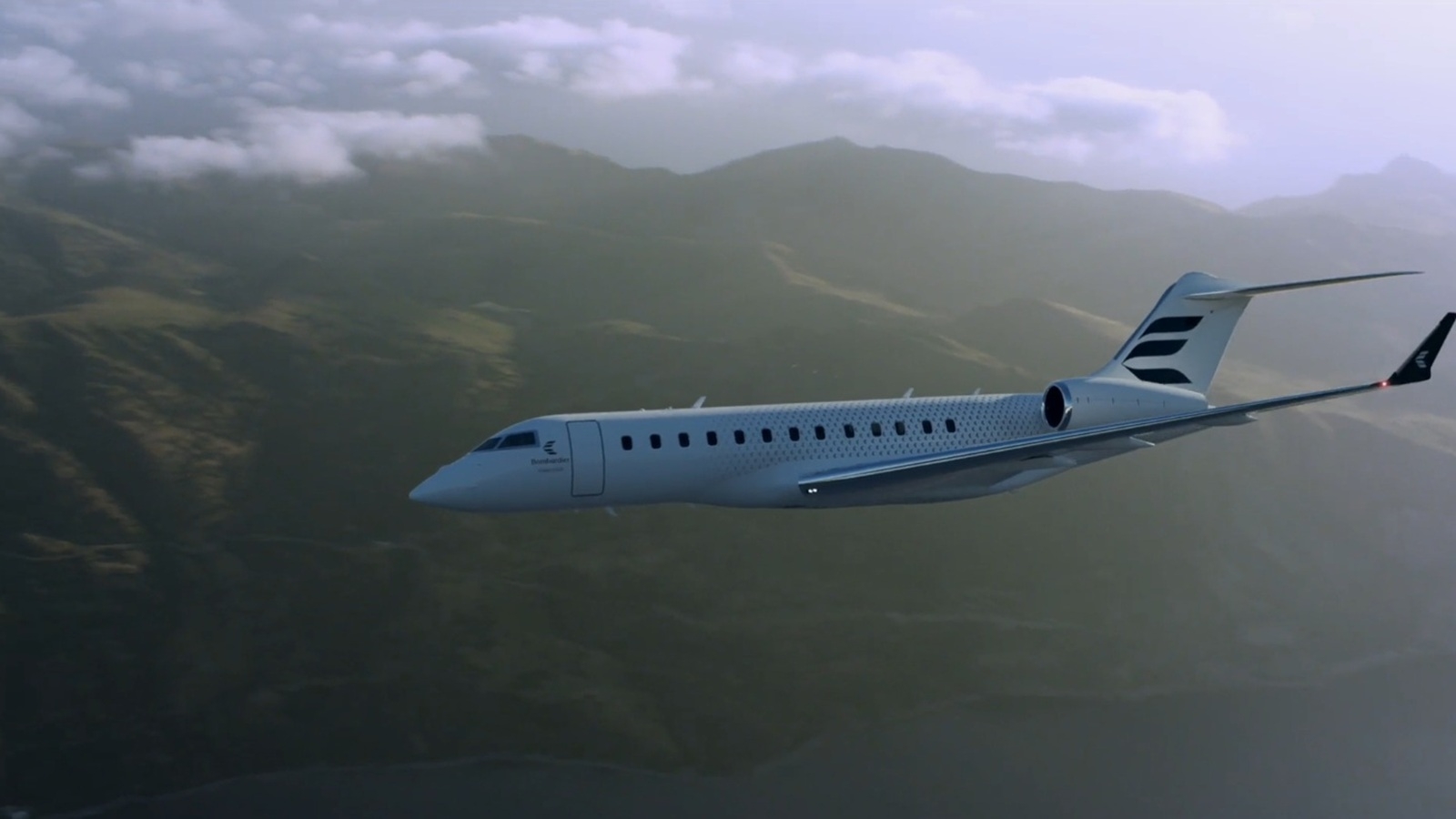
This agility opens the doors to 30% more airports than its direct competitors. It can land on runways as short as 2,220 feet (less than 700 meters), making exclusive destinations such as the Bahamas islands, Mykonos or Bora Bora, often with limited infrastructure, accessible.
What does this record really mean for the future of business aviation?
This first record is not an end in itself, but the beginning of a new philosophy. Speed, range, cabin comfort and airport accessibility: until now, you had to choose.
Bombardier wants to prove with its new aircraft that a single aircraft can now excel on all fronts. For the leaders, governments and personalities who will use it, this translates into unprecedented time savings and flexibility.
The Montreal-Nice flight completed in six hours is therefore an important element in making this vision a reality.


