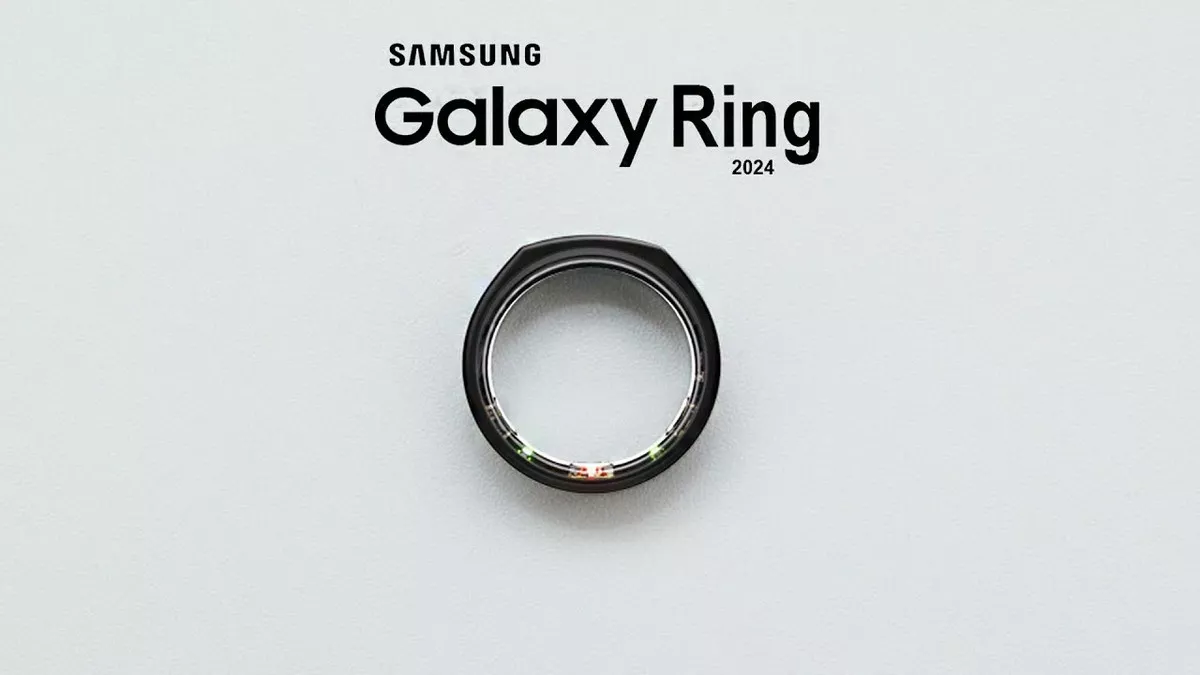
While the first model of connected ring Galaxy Ring laid the foundations in 2024, reports, including from Korean media ETNewsindicate that it is “virtually impossible” to see a sequel land in 2026.
Samsung would rather head towards early 2027 for the launch of its new smart ring, potentially alongside the future range of smartphones Galaxy S27.
The firm seems to want to favor a technological maturation rather than a rushed renewal cycle in an increasingly demanding wearables market.
What improvements are expected for the Galaxy Ring 2?
Samsung will not seek to reinvent the wheel and prefers to focus on three fundamental pillars. The first area of improvement concerns autonomy. The battery would go from 7 days on the current model to an extended duration of 9 to 10 days. This gain, which may seem minimal on paper, should improve the user experience for an object designed to be forgotten on the finger, day and night.
The second pillar is the comfort and design. The ring would be thinner and lighter thanks to optimization of the placement of internal components. This is a major technical challenge but crucial for continuous wear without discomfort.
Finally, biometric sensors would see their significantly improved precision. Samsung would focus on sleep analysis, skin temperature measurement and information related to cardiovascular healthmaking passive tracking even more relevant with the future connected ring Galaxy Ring 2.
Why is the Galaxy Ring 2 launch pushed back to 2027?
This postponement to early 2027 seems to be a assumed strategic choice. Samsung seems to consider that current technology still has a room for progress before justifying a new generation.
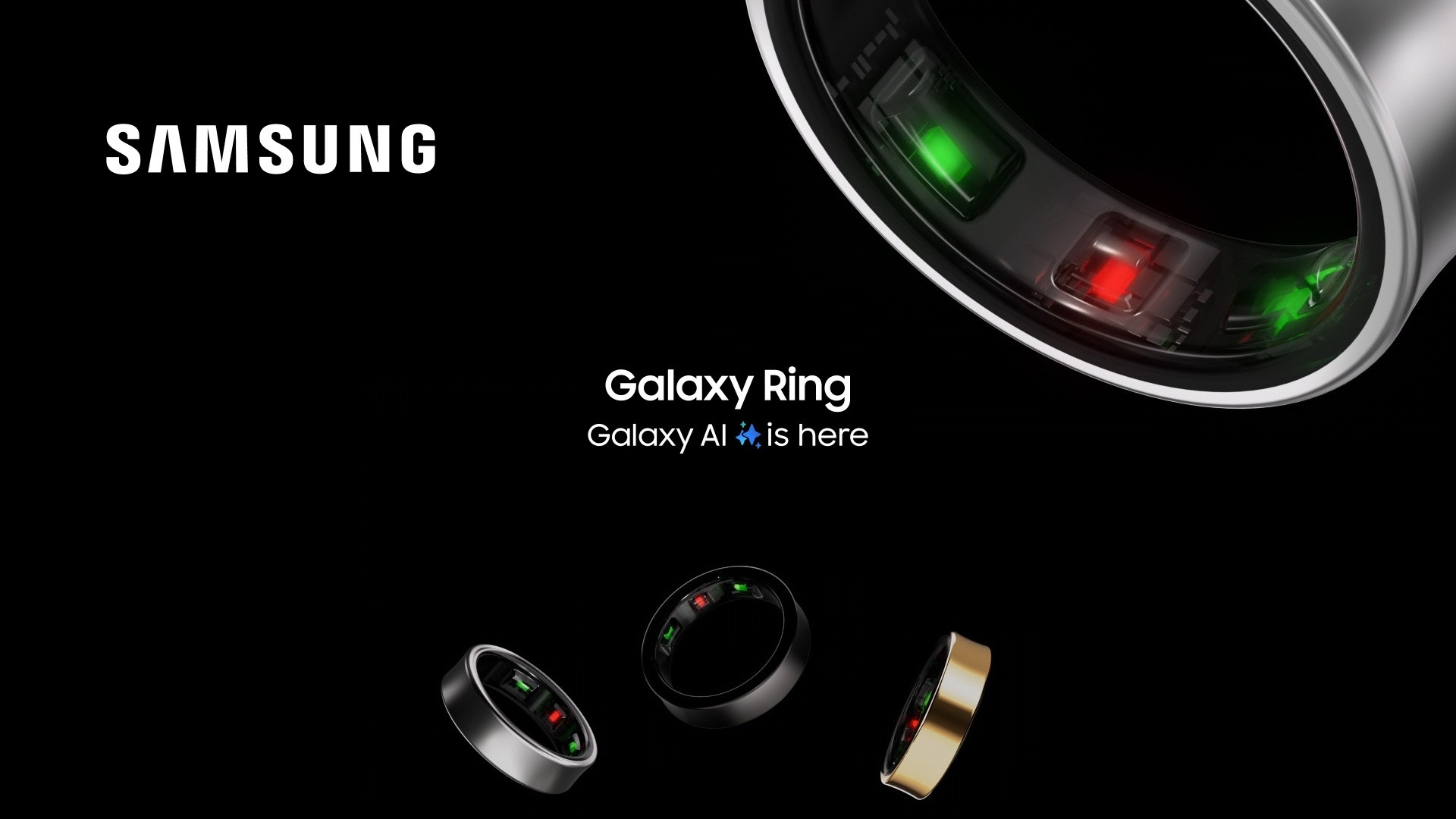

The emphasis is placed on significant developments which directly respond to feedback from the first users: more battery, more comfort, more reliability in the data.
This additional time gives engineers time to tweak the internal layout to refine the design and improve the algorithms that interpret sensor data.
Will blood sugar monitoring be integrated into the Galaxy Ring 2?
It is very unlikely that this feature will be ready for 2027. The non-invasive blood sugar monitoring remains a future attribute of wearables that is difficult to integrate. Although Samsung is actively working on this technology, sources agree that it will not be mature in time for the deadline of early 2027. The technical and regulatory challenges are still immense.
We must therefore see this functionality as a long term goal for the Galaxy Ring line, but certainly not as a promise for its second iteration.
The absence of this major innovation on the Galaxy Ring 2 reinforces the idea that Samsung is focusing on perfecting what already exists while waiting to be able to offer new functions.