




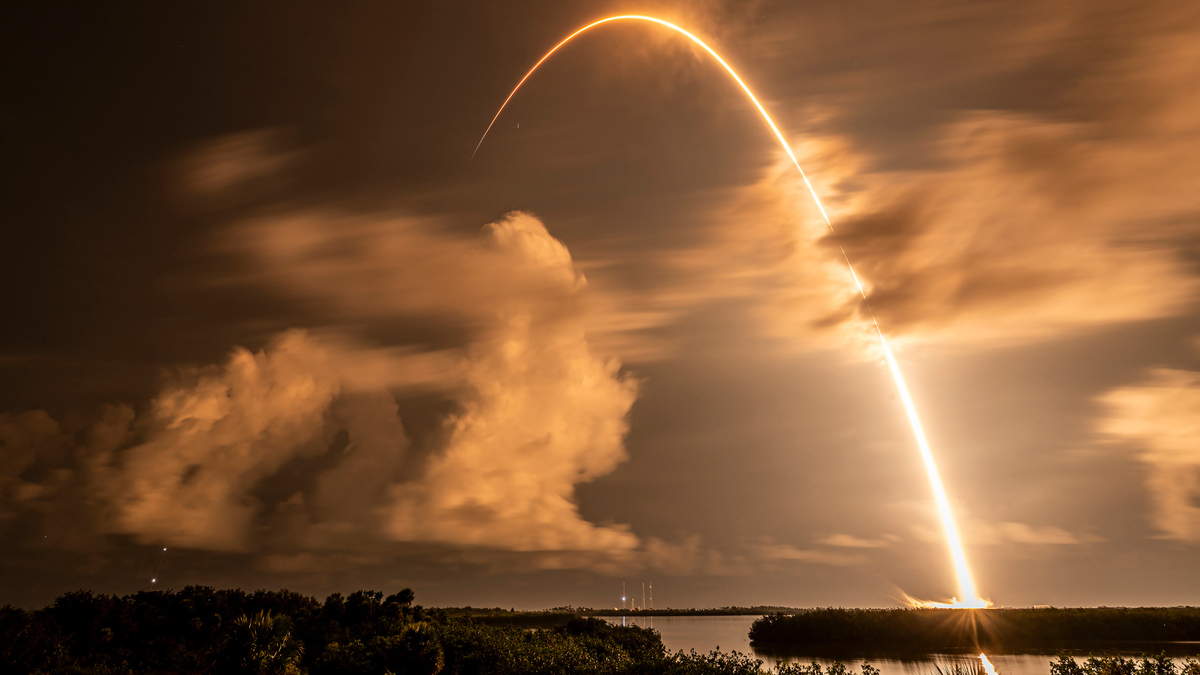
The cloth is burning between the Pentagon and SpaceX. The affair broke out in the middle of the conflict with Iran, while the American army was massively deploying its kamikaze drones LUCASlow-cost clones of the Iranian Shahed.
These machines, crucial for precision strikes, are guided via a satellite connection. This is where the problem lies. A few weeks after operations began, SpaceX executives contacted the Department of Defense with a new pricing schedule.
Elon Musk justifies this increase by a violation of the conditions of use, the army having used the civilian network Starlink instead of the military network Starshield, which the Pentagon disputes.
The bill exploded, passing approximately $5,000 to $25,000 per terminal. A cost that almost doubled the unit price of each drone, estimated at $35,000.
What is the heart of the financial standoff between SpaceX and the Pentagon?
The root of the conflict is 400% increase of the satellite connection rate for each suicide drone. SpaceX has decided to charge $25,000 for this service, an amount presented as a monthly subscription, while the drones only use it for a few minutes or hours before their impact.
For kamikaze dronesthe very principle of which is to be consumables, the pill had difficulty passing through the American general staff. Despite initial protests, the Pentagonin full intensification of his strikes, found himself with his back to the wall and finally agreed to pay the high price.
This situation caused a real discomfort within the highest levels of defense, who are well aware of being tied hand and foot in the face of a supplier who has become absolutely essential in the modern theater of operations.
Why did SpaceX justify such an increase?
Officially, SpaceX’s argument is technical. The company maintained that the use of LUCAS drones corresponded to its range of “aviation” servicesmuch more expensive than the land mobility package initially billed.
However, Elon Musk delivered another version on his social network violation of terms of service “. According to him, the drone manufacturer incorrectly configured the devices to use the civilian network Starlinkinstead of Starshieldthe militarized and secure version dedicated to governments.
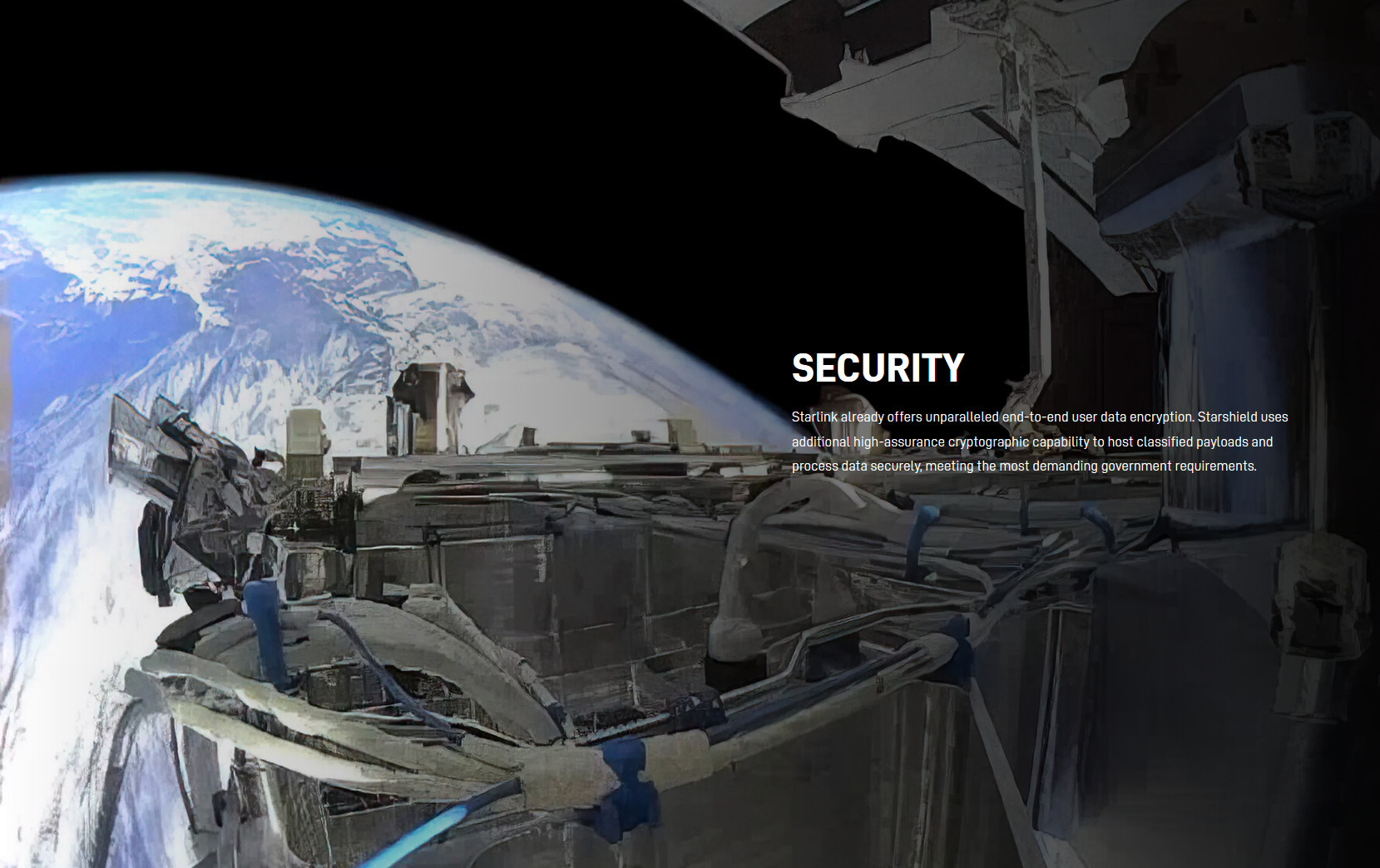

This distinction is crucial, because it places the blame on a defense contractor and partially exonerates Musk’s company. This tension crystallized in the tense context of the war in Iran.
The Pentagon, for its part, denies any violation of its agreement with the aerospace company, creating a dialogue of the deaf where each party passes the buck.
What are the strategic implications of this American dependence?
This episode highlights a reality as spectacular as it is worrying: the overwhelming addiction of the American army towards a single private actor. With more than 60% of satellites in orbit, SpaceX holds a virtual monopoly on communications in low orbit.
Its competitors, such as OneWeb or the project Kuiper / Leo the Amazonare still far from being able to offer a viable alternative on this scale. This dominant position gives Elon Musk phenomenal negotiating leverage, even potential nuisance power over American national security.
The Department of Defense may claim to want “ encourage a competitive environment “, in fact, he is trapped. This affair creates a precedent which redraws the contours of military sovereignty in the era of New Space.
The most powerful army in the world finds itself vulnerable, not in the face of a state enemy, but in the face of the general conditions of sale of a Silicon Valley company, whose leader has already proven in Ukraine that he does not hesitate to intervene personally in the course of a conflict.


