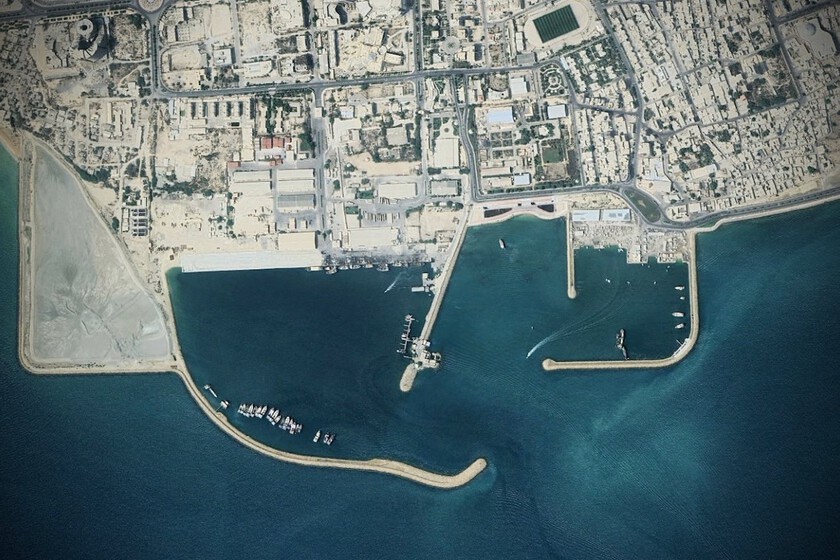
In October 1973, during the first major oil crisis, gas stations in the United States posted warning signs. “Sorry, last car in this line” to cut kilometer-long queues and ration fuel. That image became the symbol of an uncomfortable truth that remains valid half a century later: when energy is what gets stuck, even the great powers change their priorities.
The end of a war with another truth. For more than a hundred days, Donald Trump sold the war against Iran as a crusade to prevent Tehran from crossing the nuclear line. The rhetoric was clear: unconditional surrender, dismantling of the atomic program and maximum military pressure. But the agreement that has just been closed with the Iranians reveals another, much more uncomfortable reality: the priority was never really the bomb.
In fact, if it had been, Washington would not have accepted a pact that leaves the regime intact, postpones nuclear negotiations and turns the issue of enriched uranium into a problem for later. What was urgent, what was truly unbearable for the White House and the markets, was something else: reopening Hormuz.
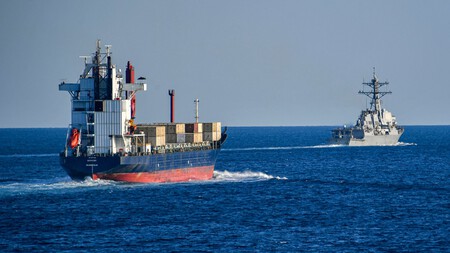

The neck of the world. We have been counting it these months. The Strait of Hormuz became the real center of the war because about a fifth of the world’s oil and gas passes through it. When Iran closed it de facto, it not only paralyzed regional exports, but turned the conflict into a systemic threat to the global economy.
Oil skyrocketed, gas followed suit, and markets began to discount something much more dangerous than a regional war: a global energy crisis. Trump could continue bombing and wasting ammunition (perhaps too much), but each day that Hormuz remained blocked he did more damage to Washington than to Tehran.
The weapon that Iran did have. For years there was discussion about the hypothetical Iranian bomb, but in the end Tehran’s real pressure capacity was not underground in those missile cities in Fordow or Natanz, but floating over the Gulf. Tehran demonstrated that it could cut off the planet’s energy artery and keep it closed long enough to bend American strategic logic.
Therein lies possibly the great lesson: because it did not need to manufacture a nuclear weapon to acquire deterrent power. It was enough for him to control a vital chokepoint and show the ability to punish US bases and regional allies. That changed the entire balance of the negotiation.
The economy and its cracks. As the war continued, the world began to consume strategic reserves at a worrying speed. The United States was draining its so-called Strategic Petroleum Reserve to levels not seen since 1983, Japan and South Korea saw their inventories reduced, and Europe was beginning to tighten its refined fuel supply chains.
It is true that there was no collapse yet, but there were clear signs of fragility and that we were approaching red lines. In other words, the market continued to function thanks to these “shock absorbers”, but everyone knew that they were finite. Because the war could continue, but the energy cheap no.
The agreement that reveals priority. And then the unthinkable pact arrived when the United States launched its bombing campaign. Sixty days of ceasefire, gradual reopening of Hormuz, withdrawal of the US naval blockade and temporary permission for Iran to sell oil again.
The sequence is revealing: before resolving the nuclear program, Washington has first resolved the energy flow. Next will come talks on uranium, if there are any, oversight of the International Atomic Energy Agency and possible sanctions relief phases. That is to say: the nuclear issue is still important on paper, but it was no longer the strategic urgency dictated by the clock.

An imperfect peace, but necessary. There is no doubt, the agreement does not close the wound. Benjamin Netanyahu continues to hit Hezbollah day in and day out, and the Lebanese front can reignite everything. Iran maintains its regime, its regional influence and much of its negotiating capacity. But the war has made one conclusion brutally clear: When the stability of the global energy system began to falter, Washington lowered its highs to lows.
In the end, the “bomb” was the political argument, oil was the real problem. And when crude oil began to run out, peace stopped being an option and became an imperative necessity.
Imagen | Google Earth, US Navy
In | We have been fearing the Apocalypse for 100 days due to the closure of Hormuz. The blow is going to be given to us by a heat wave in China
In | Ukraine turned drones into hunters. A helicopter shot down in Hormuz has transformed them into a Spielberg film