Applethe most prestigious and demanding client on the tech planet, has officially started testing phases with its former partner, Intel. The new ambition: use the American’s future factories to engrave part of its precious Apple Silicon chips sous architecture ARM.
The first salvos would concern the production of processors for entry-level or older generation devices, before ramping up.
The timetable is ambitious, with tests planned for 2026 and a targeted start of mass production for 2027-2028. This collaboration aims to produce processors for future Macs (M7) and iPhone (A21) using Intel’s advanced burn nodes (18A-P et 14A) from 2027.
The main reason is to reduce its dependence on TSMC, whose capacities are increasingly monopolized by the high demand for AI chips.
Why is Apple suddenly turning to its old rival Intel?
The main reason for this strategic shift is a question of power. Apple has built its success on absolute control of its supply chain, but the skyrocketing rise of artificial intelligence has changed the rules of the game.
The Taiwanese giant TSMCsole supplier of the most advanced Apple chips, sees its most efficient production lines saturated by demand colossal number of customers like Nvidia. Apple feels the wind turning and realizes that its priority customer status is no longer an eternal guarantee.
By cultivating a credible alternative with Intel, Apple is playing a long-term game of chess for preserve its position of strength during future negotiations. This is a powerful lever for containing prices and ensuring privileged access to cutting-edge technologies.
Which Apple products will be equipped with Intel chips?
The agreement plans to use Intel burning on several fronts. The first chips produced in volume on the 18A-P engraving node (1.8 nanometer Performance engraving process, an evolution of Intel’s 18A) could be the future processors Apple M7. The latter would equip the entry-level MacBook Air and MacBook Pro by 2027.
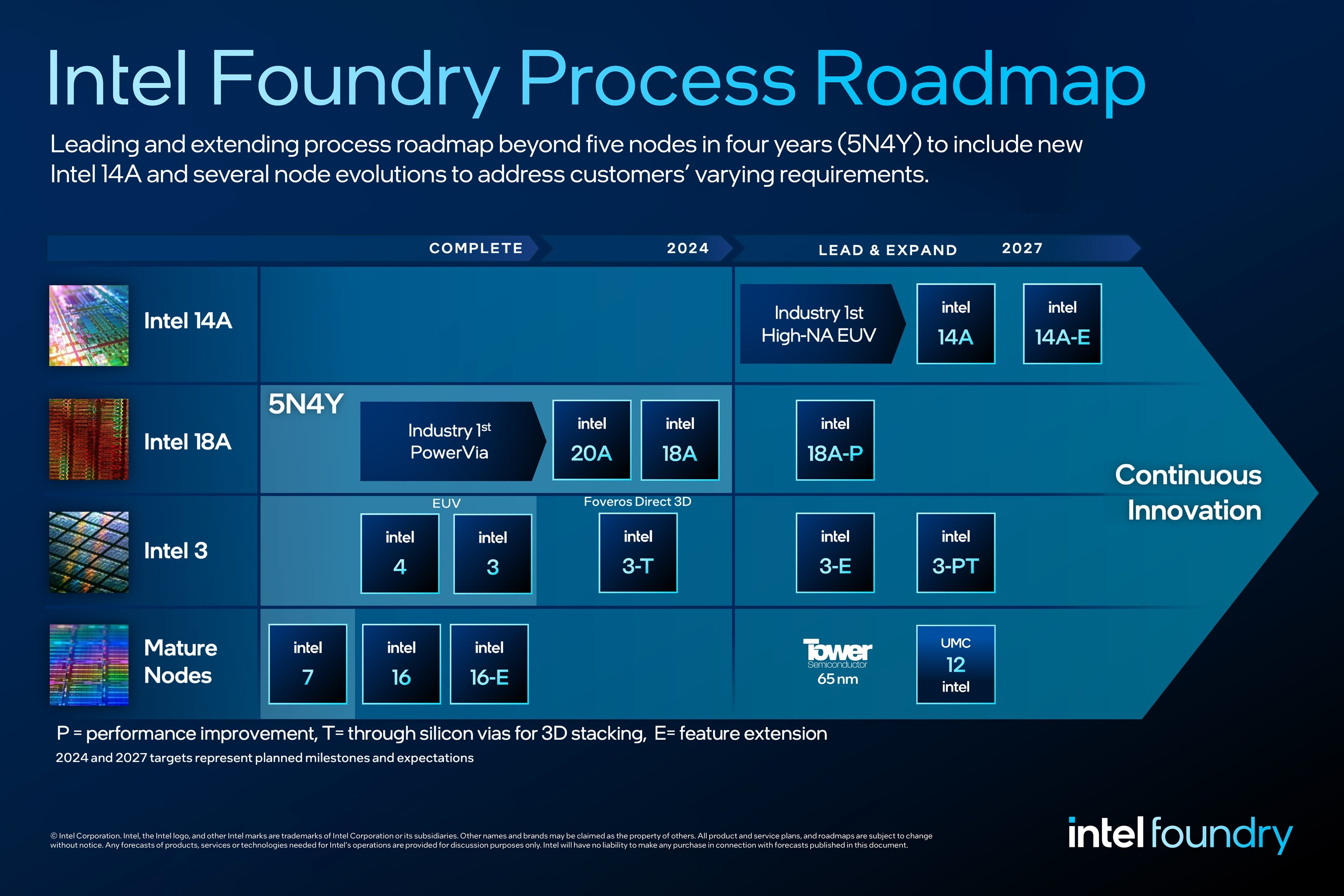

But the vision is broader. Apple would also evaluate the process Intel 14A (1.4 nanometers) from Intel for its future iPhones, potentially for the chip Apple A21 planned for 2028.
The initial distribution seems strategic: TSMC would maintain the production of highest-end chips (“Pro” versions), while Intel would take care of larger volumes on the standard models.
This dual source approach would allow Apple to directly compare performances and yields, putting the two founders in direct competition for the greatest benefit of its margins.
How will this collaboration take place in practice?
The game plan is methodical and extends over several years. The analyst Ming-Chi Kuo describes a precise life cycle: 2026 will be dedicated to small-scale tests to validate processes.
The year 2027 will see the start of the production ramp-up, which will continue to grow in 2028. It is not until 2029 that we could see a decline in the use of this generation of chips in favor of even more advanced technologies.
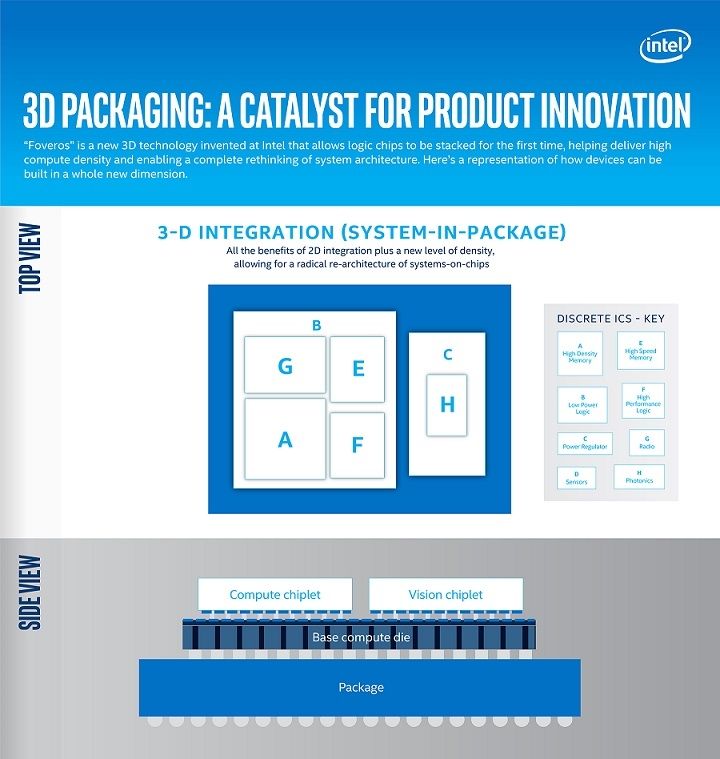

Technically, the challenge is immense. To compete with TSMC, Intel must not only master engraving but also assembly techniques complex (le packaging).
Apple will likely use Intel’s advanced packaging technologies, such as Foveros (3D chip stacking technique), to achieve the required levels of performance and energy efficiency.
For Intel, this is a golden opportunity to demonstrate your ability to once again become a leader in manufacturing for external customers, intensive training with the most demanding customer there is.
What is the real challenge of this partnership for the industry?
Beyond Apple and Intel, this alliance is a strong signal sent to the entire sector. It marks the potential end of a decade of TSMC’s near-monopolistic dominance in the cutting-edge chip segment.
Other major players, frustrated by the Taiwanese foundry’s rising costs and limited availability, are watching closely. If Intel succeeds in its bet, this could open the way to a redistribution of cards for companies like Qualcomm or AMD.
For Intel, it is a question of survival and rebirth. Succeeding in mass production for Apple would be the ultimate validation of its strategy IDM 2.0 and its ambition to become a leading foundry.