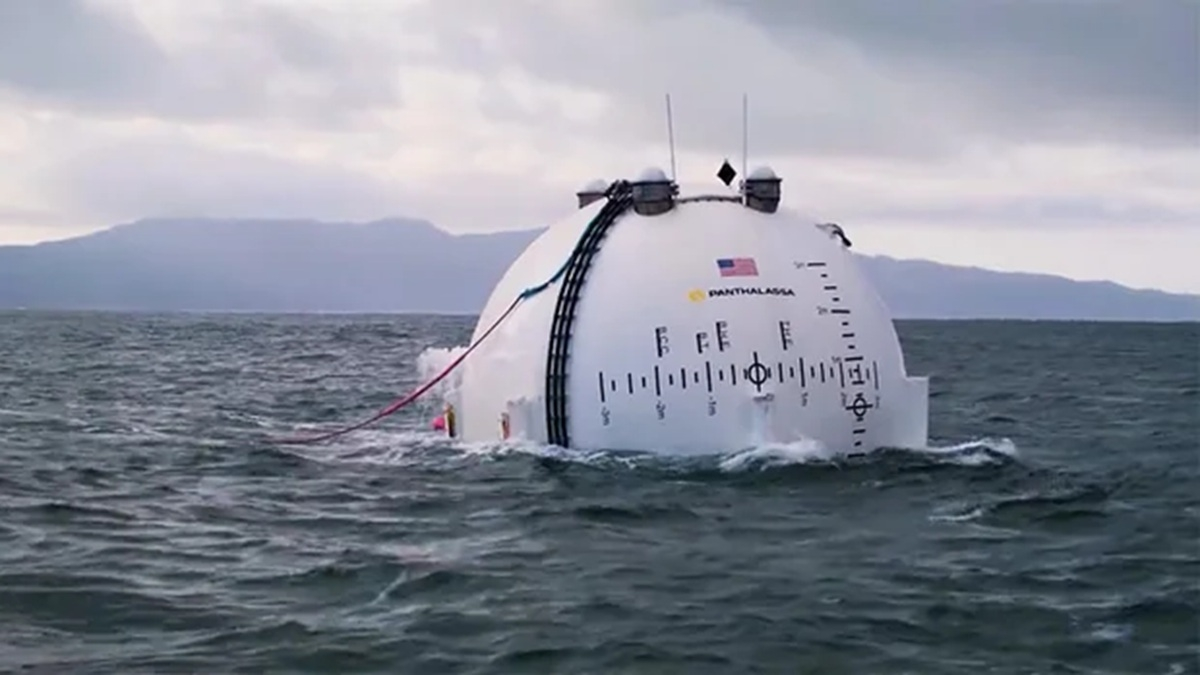
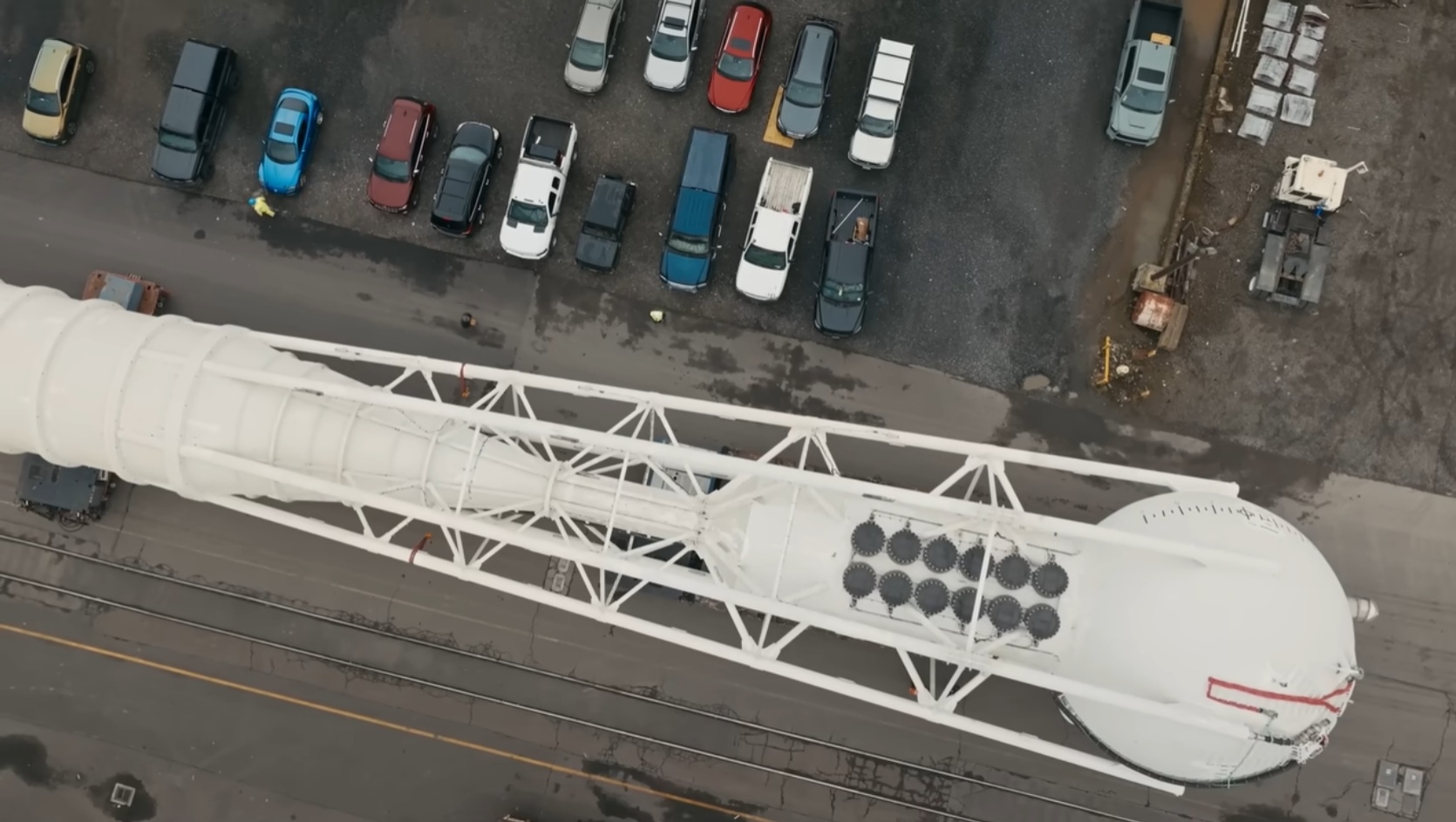
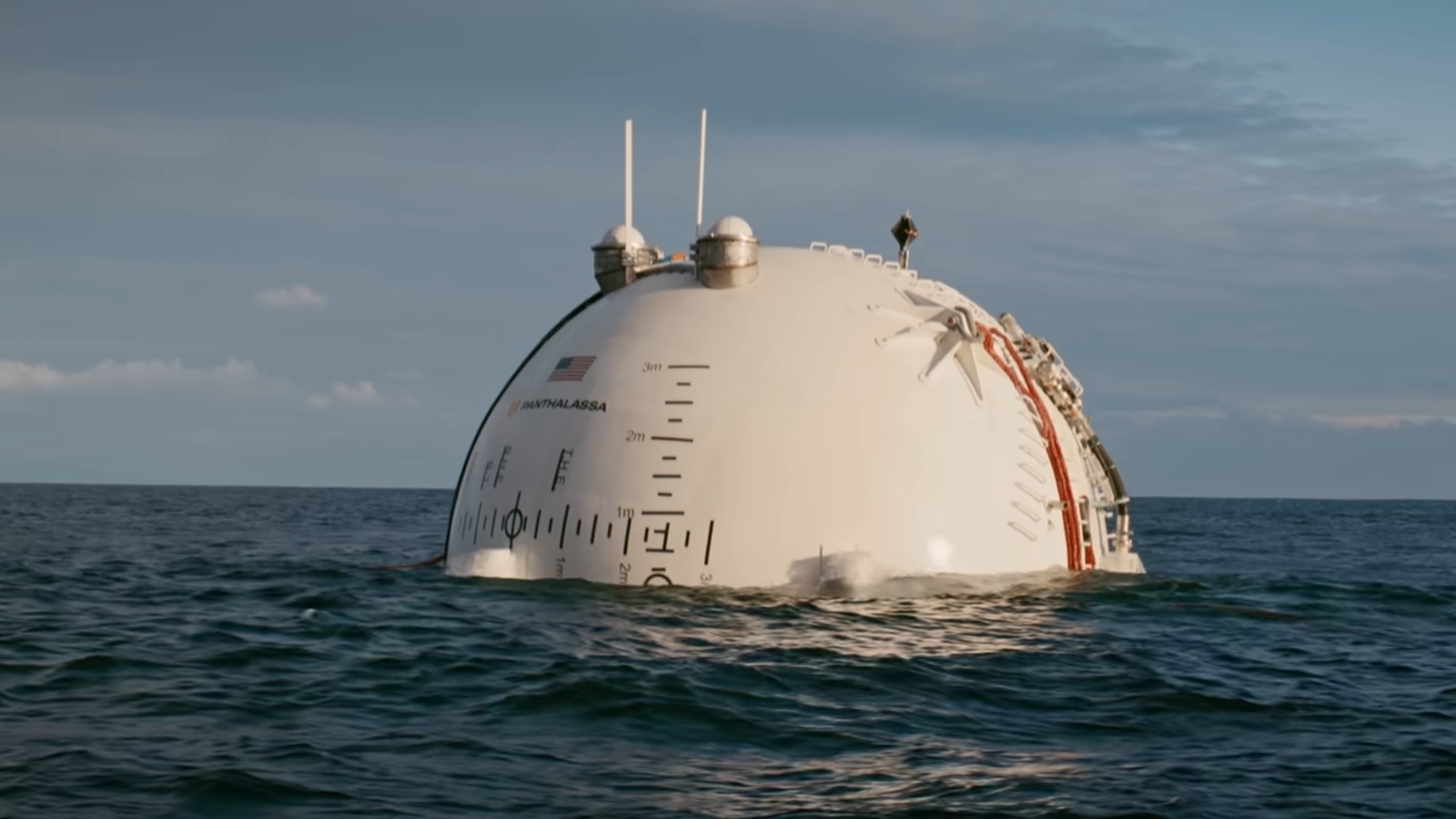
La start-up Panthalassabased in Oregon, has just raised $140 million to industrialize its offshore computing units. This project, supported by figures like Peter Thiel and Marc Benioff, aims to deploy massive steel structures 85 meters high in the North Pacific.
The idea is to free ourselves from saturated land-based electricity networks by installing the infrastructure directly where energy is free and abundant: on the water. These computing nodes, real floating factories, then transmit the results of the algorithms by satellite.
These autonomous floating data centers, called “nodes”, use wave energy to power artificial intelligence chips in the open ocean.
How do these floating data centers in the open sea work?
The concept is based on autonomous units named floating data centers which transform the oscillation of waves into electricity. Each structure, comparable to an immense vertical float, uses a submerged tube where the movement of the water activates a turbine.
This energy directly powers high-performance processors housed in the structure, while the ambient water temperature ensures natural and free cooling components.
This system is a feat of mechanical compactness. By eliminating the need for underwater cables to carry electricity, Panthalassa drastically reduces initial installation costs.
The absence of physical connection to shore is a bold bet that relies entirely on the reliability of satellite constellations like Starlink to send processed data back to end users.
Why use wave energy for artificial intelligence?
The exploitation of the wave energy in principle offers greater energy density than solar or wind power for isolated structures. The massive electricity needs of the artificial intelligence modern, often compared to the consumption of entire countries, push investors to look for sources uncorrelated from the civil network.

The perpetual movement of the swell guarantees stable production, essential for keeping servers active 24 hours a day without major interruption. Wanting to green intensive computing by deporting it offshore is a survival strategy in the face of the growing hostility of local populations against land-based mega-projects.
Panthalassa promises rapid scaling, far from the administrative burdens linked to land use or the use of fresh drinking water for cooling server racks.
What are the risks for ecosystems in our oceans?
The installation of thousands of servers in oceans raises crucial questions about heat dissipation and the impact on marine fauna. Although Panthalassa claims that heat is rapidly dispersed by currents, the cumulative effect of entire fleets of “nodes” (autonomous computing units) remains a scientific unknown.
Experts fear that the noise of the turbines or electromagnetic fields disrupt the migratory routes of large cetaceans or local biodiversity. There maintenance in hostile environments also remains the Achilles heel of the project.

Salt water is a corrosive agent ruthless force that degrades steel and electronics at an alarming rate. Imagine immortal machines without human intervention in the middle of the Pacific is almost science fiction, as nature always ends up regaining its rights over metal.
If a unit drifts or sinks, the pollution caused by the chemical components of the integrated circuits would become an ecological nightmare that is difficult to manage.
Is satellite transmission enough for AI?
The limited bandwidth satellites constitute the main bottleneck for these decentralized infrastructures. For AI model training tasks, the volume of information to transfer is colossal, making latency problematic.
On the other hand, for inference, the satellite solution is viable, because it only requires sending a few lines of text or compressed images. Panthalassa is therefore not seeking to replace terrestrial hubs but to create a complementary computing layer for asynchronous tasks.
This decentralized vision of the cloud could well redefine the geopolitics of data by placing computing power in international waters, beyond the reach of traditional national regulations and property taxes.