




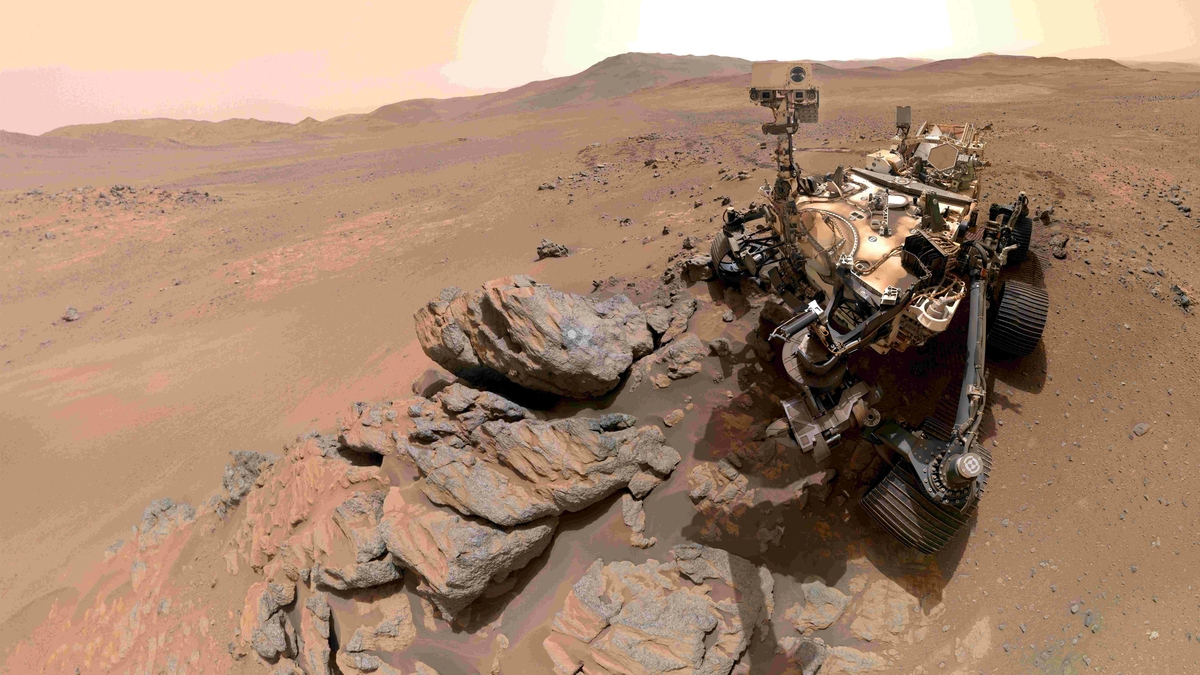
This is a major step forward in our quest for answers about the Red Planet. After more than five years roaming the desolate Martian landscapes, NASA’s Perseverance rover has just struck a big blow. The analysis of rocks located in a formation called “Bright Angel”, within the Jezero crater, confirmed the presence of macromolecular carbon (MMC), a form of complex organic matter. In short, carbon assemblages which, on Earth, are often associated with fossils or biological activity. The find, detailed in the review Science Advancesforcefully relaunches the debate on the past habitability of Mars.
What did the Perseverance rover actually discover on Mars?
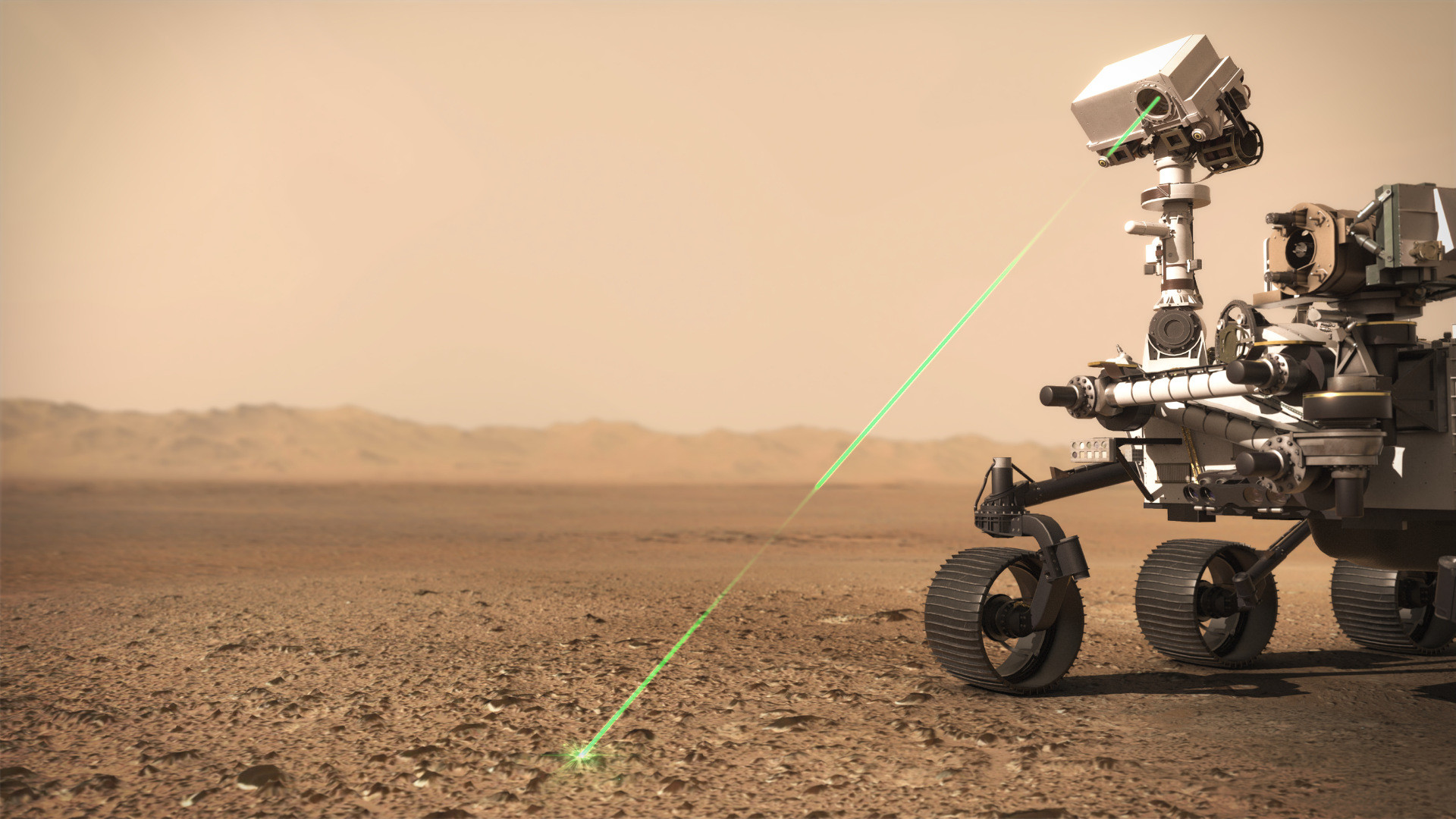
The rover Perseverance used its cutting-edge instrument, the SHERLOC, to analyze the composition of rocks by shooting them with an ultraviolet laser. The results are clear: hundreds of organic detections in two sedimentary rocks. This is unheard of in Jezero Crater. These molecules were found a few microns from the surface, a true feat of conservation given the hostile Martian environment, bombarded with radiation and chemical oxidants which normally degrade this type of material.
This discovery is all the more fascinating because these compounds have survived. Either this material is incredibly strong, or it has been effectively protected by surrounding minerals. It’s a feat of nature Martian which offers scientists an exciting new puzzle. This suggests that if traces of life existed, they could have been preserved in similar conditions elsewhere on the planet.
Does this discovery prove the existence of extraterrestrial life?
The presence of complex organic matter is a necessary condition for life as we know it, but it is not sufficient proof. As the researchers point out, these large carbon chains may have several origins distinct. They can be the fossilized remains of organisms, but also the product of purely geological reactions, such as interactions between water and rock, or simply have been deposited by cosmic dust or meteorites.
The doubt is therefore total. It’s a bit like finding a LEGO brick in the middle of the desert. It’s intriguing, it suggests construction, but it could also have fallen off a truck. The fact that the Curiosity rover also found organic traces more than 3,500 km away, in Gale crater, reinforces the idea that the “ingredients” for life were perhaps widely distributed on the old Mars. But to know the recipe, you’ll have to dig deeper.

What is the next step to confirm the origin of this material?
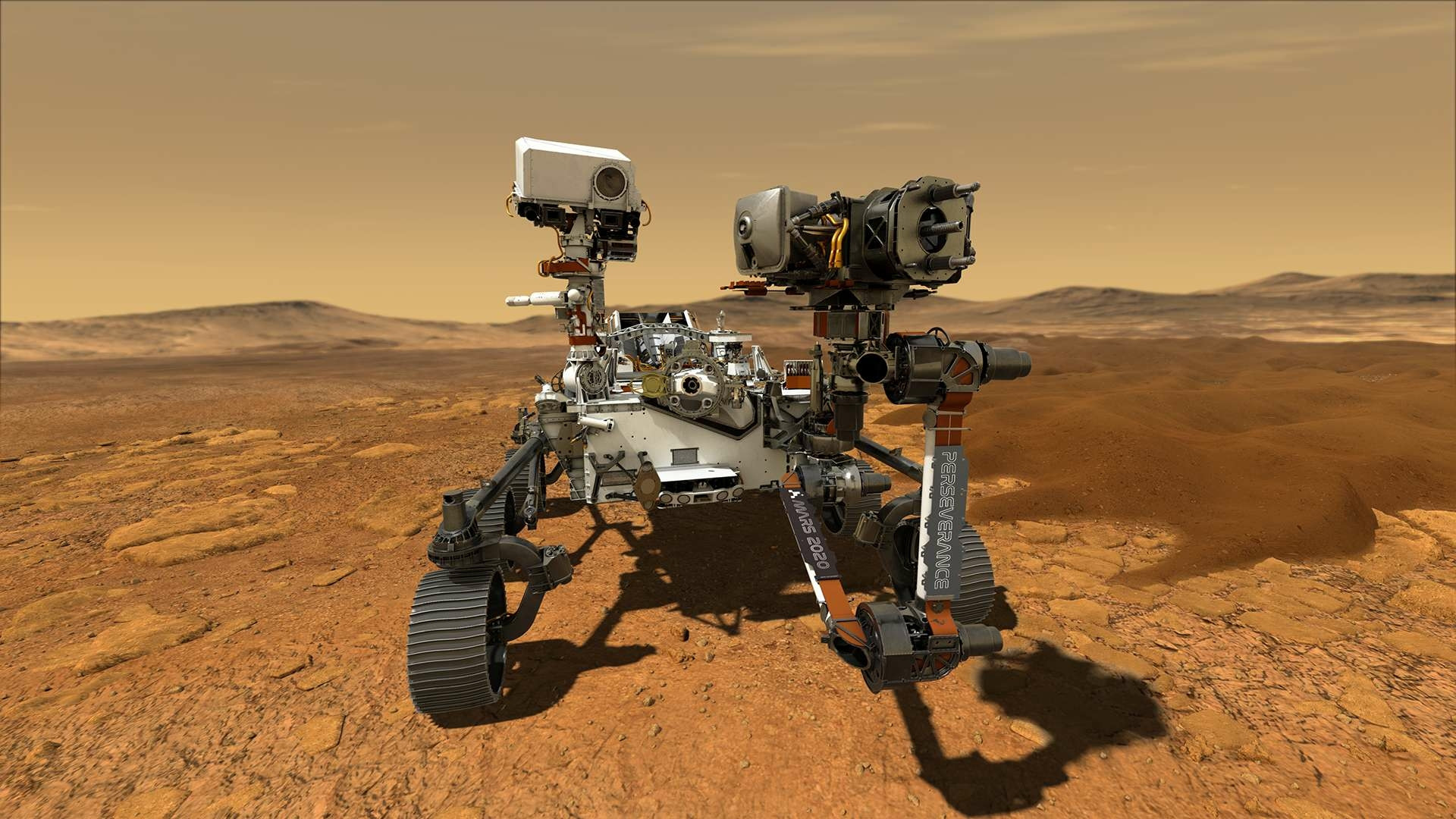
To obtain the final verdict and determine whether this material is the fruit of an ancient microbial lifethere is no other solution than to bring the samples back to Earth. Perseverance’s instruments are marvels of technology, but they do not have the capacity to perform the advanced analyzes necessary to distinguish a biological origin from an abiotic process. They were designed to identify the most promising targets, not to make the final judgment.
Unfortunately, the Mars Sample Return mission is currently in a state of political and budgetary impasse. This colossal project, essential for planetary science, has been slowed down, pushing potential answers back to the 2030s, at best. In the meantime, the samples collected by Perseverance, including a fragment of the “Bright Angel” rock, wait patiently in their sealed tubes. A scientific treasure within reach, but for the moment, inaccessible.
Frequently Asked Questions (FAQ)
What exactly is macromolecular carbon (MMC)?
Macromolecular carbon, or MMC, refers to large, complex networks of carbon atoms. On Earth, it is found in fossilized biological matter, such as coal, as well as in rocks formed by non-biological processes or even in meteorites. It is a fundamental but ambiguous component in the search for life.
Why is it so difficult to prove life on Mars?
Proving past life on Mars requires finding an indisputable “biosignature”, that is to say a trace which can only be explained by biological activity. Organic matter, even complex, is not organic matter because it can form naturally without the intervention of living organisms. To remove doubt, laboratory analyzes are needed on Earth, capable of detecting molecular patterns specific to life.


