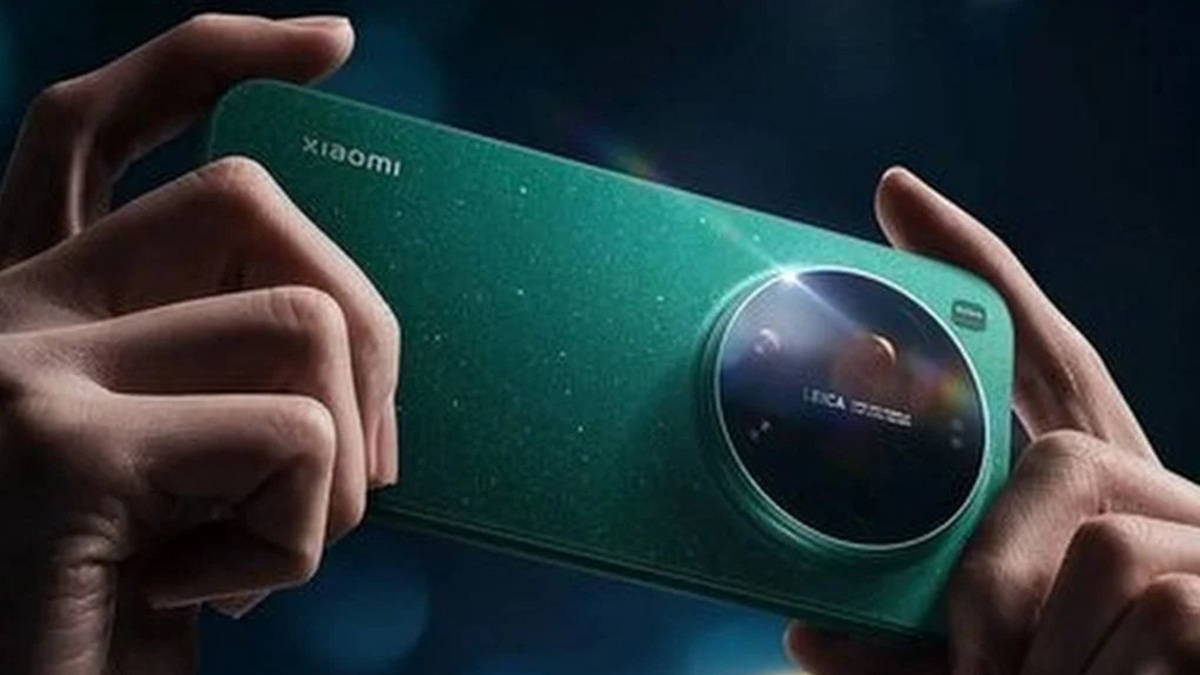
The rumor machine is racing around the successor to the Xiaomi 17 Ultra, expected at the end of the year. But this time, the information that is stirring insider circles does not only concern a new photo sensor or a brighter screen.
According to several consistent sources, Xiaomi is preparing to launch a special edition of its Xiaomi 18 Ultrapowered not by a Snapdragon processor but by an SoC (System-on-a-Chip) entirely developed in-house: the chip Xring O3.
What does the Xring O3 chip prepare for the Xiaomi 18 Ultra?
The Xring O3 chip, known by the code name Lhasawould embody a major architectural overhaul after the Xring O1 chip unveiled last year. The leaked information suggests that Xiaomi would abandon the classic multi-core structure for a simplified but more aggressive design.
The main core, or “prime core”, would be capable of reaching and even exceed 4 GHza frequency that would put it directly at the top of the raw performance hierarchy.
This increase in power would also concern the graphics part (GPU) with a 25% performance gainpotentially thanks to a successor to the ARM Mali G1-Ultra chip.
Xiaomi has embarked on the development of its own mobile processors and dedicated chips, as some players such as Apple, Samsung or Huawei are already doing and the firm recently stressed that it wanted to implement an aggressive roadmap with regular launches.
Why would Xiaomi develop its own high-end chip?
By mastering the design of its own silicon, a manufacturer can optimize harmony between hardware and software at a level almost impossible to achieve with standard solutions.
This is the Apple model with its chips A-series et M-Serieswhich allows both the iPhone and the MacBook to offer formidable fluidity and efficiency. By creating its homemade chipXiaomi seeks to achieve unprecedented optimization capacity.
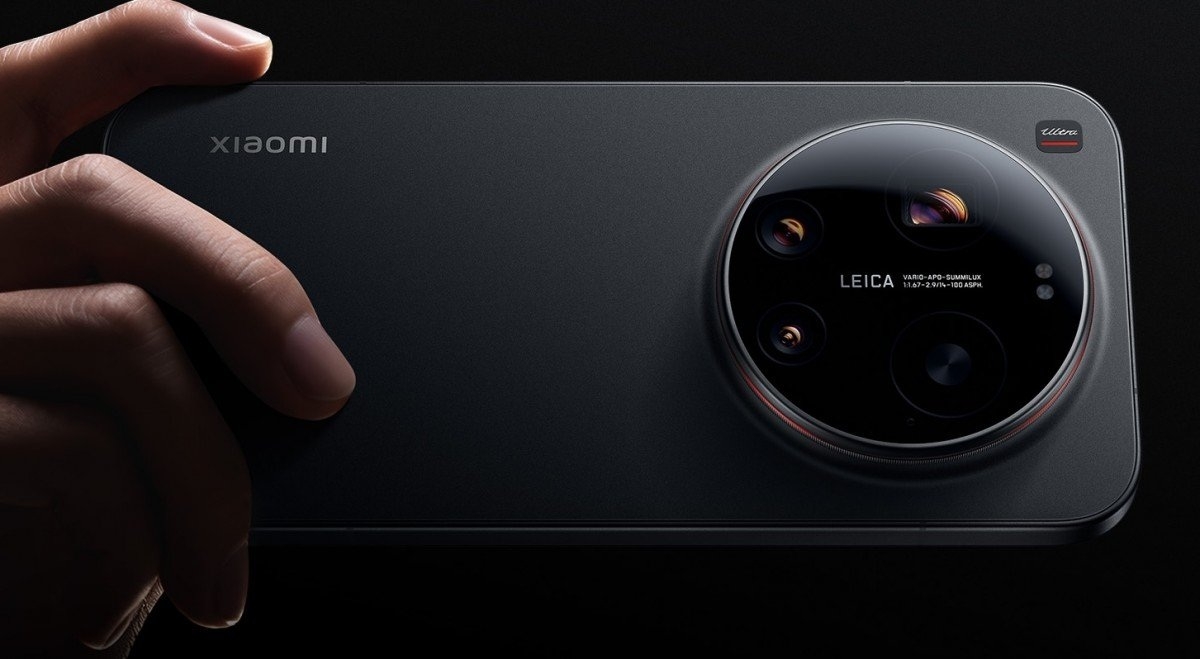

Xiaomi 17 Ultra
Such a chip would allow perfect symbiosis with photographic equipment and image processing algorithms, areas where Xiaomi is investing massively. This would also open the way to exclusive artificial intelligence featurestailor-made for the ecosystem HyperOS.
Xiaomi wants this become the architect of your own excellence without having to rely on standard chips that the competition can obtain and with which it is more difficult to differentiate yourself.
We find the classic debate between custom processors and standard solutions, with each option having its strengths and weaknesses (development cost, production launch, etc.).
Will this “homemade” Xiaomi 18 Ultra be available in France?
For the moment, the forecasts lean towards a release initially limited to China. This strategy would not be new for the brand since it has already tested specific hardware configurations in its domestic market, such as with the Xiaomi 15S Pro.
The launch of a chip as strategic as the Xring O3 on a special edition of the Ultra would serve as large-scale testinglife size, without yet being part of the general ranges.
If this trial run proves conclusive, it is very likely that Xiaomi will gradually extend the use of its in-house chips to other models, including those intended for the global market.
The future where the most expensive Xiaomi smartphones will no longer be powered by Snapdragon may be closer than we imagine. Unless this chip is ultimately reserved for another type of device, such as a future foldable smartphone Xiaomi Mix 5another hypothesis that is actively circulating.