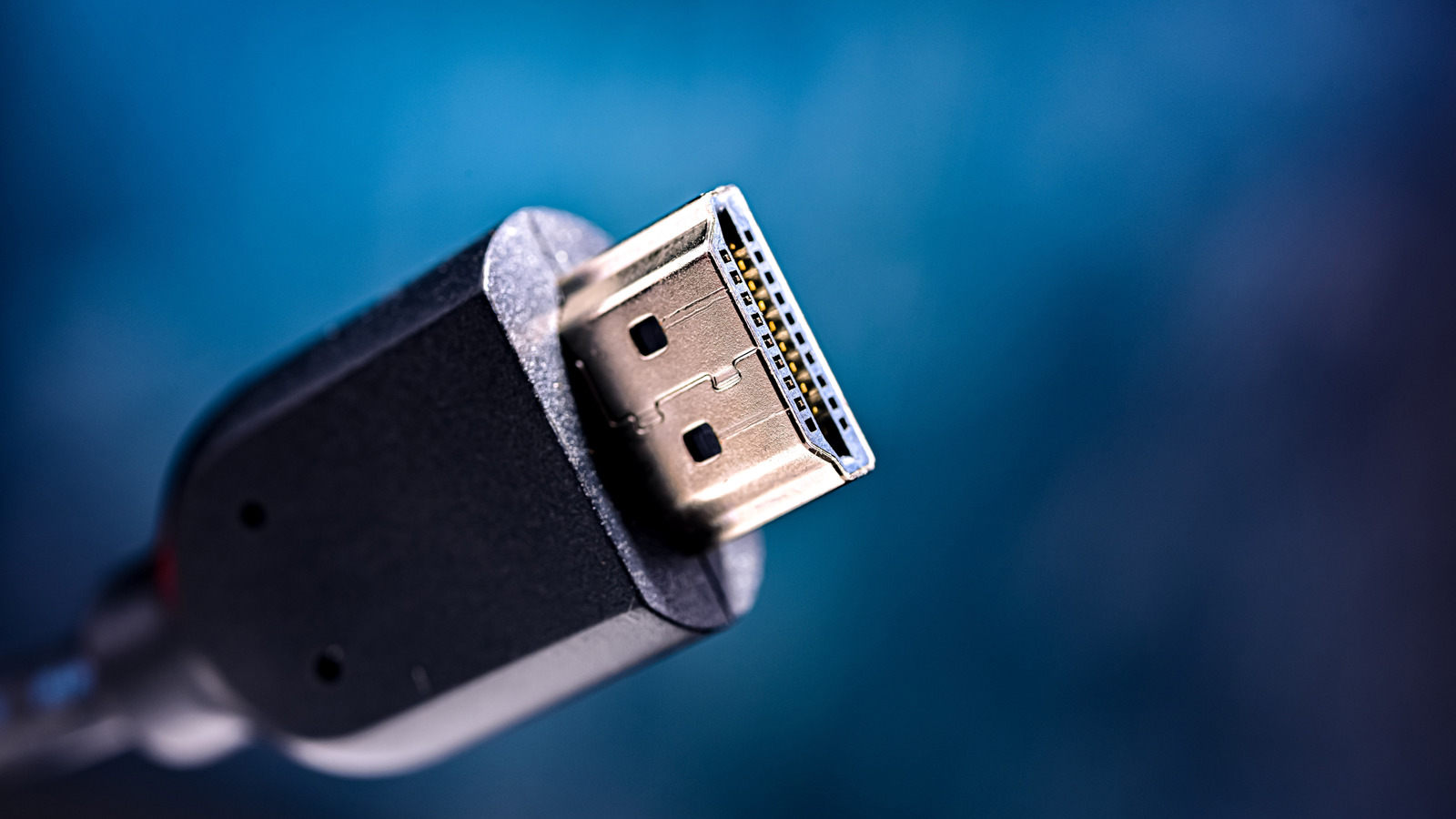
HDMI cables are one of the most useful pieces of tech in a home setup. Everything from televisions to gaming consoles to computers relies on HDMI cables to send or receive audio and video signals to and from connected devices. You can find HDMI cables offering different capabilities, depending on their bandwidth and the corresponding HDMI version. For example, an Ultra High Speed HDMI cable, which is colloquially referred to as an HDMI 2.1 or 8K cable, has 48 Gbps of bandwidth and supports features like 4K 120Hz video signal transmission, variable refresh rate (VRR), and Enhanced Audio Return Channel (eARC).
However, like any other piece of tech, there are a lot of misconceptions and myths surrounding HDMI cables that create confusion and often cause folks to spend more money than needed while buying them. So, if you don’t want to get influenced by dark marketing or upselling, here are some of the most common HDMI myths that you need to stop believing.
Expensive HDMI cables are better
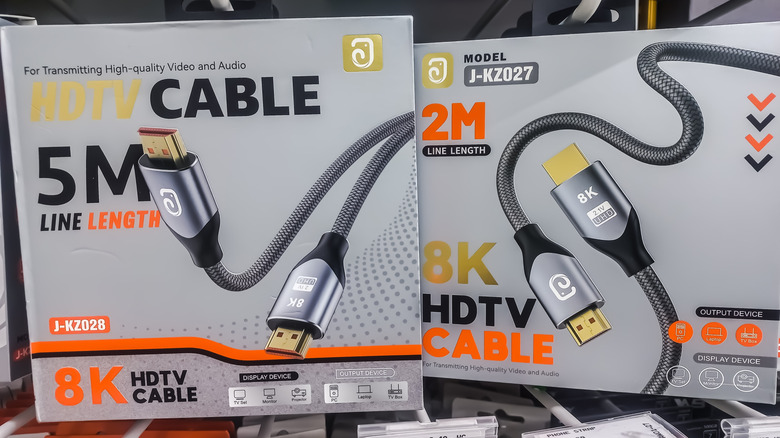
It’s pretty common to encounter “premium” or “high-end” HDMI cables on marketplaces that tout better performance. However, it’s not true in the case of HDMI cables. As long as an HDMI cable is well-built and meets the specifications laid out by the HDMI Forum, it will work just as well as a significantly more expensive cable. This is because the HDMI interface uses a digital signal that just needs to reach from one device to another in one piece, and you will either get the output on the other end, or you will get artifacts or no output at all. There is no better picture or better audio because of the HDMI cable quality.
A good way to ensure that you’re getting a high-quality HDMI cable is to look for the official HDMI certification. Different HDMI cable generations have different certifications; however, for most people, Ultra High Speed (UHS) HDMI Cable and Premium High Speed HDMI Cable certifications are the only two certifications that matter.
Gold-plated HDMI cable connectors improve performance
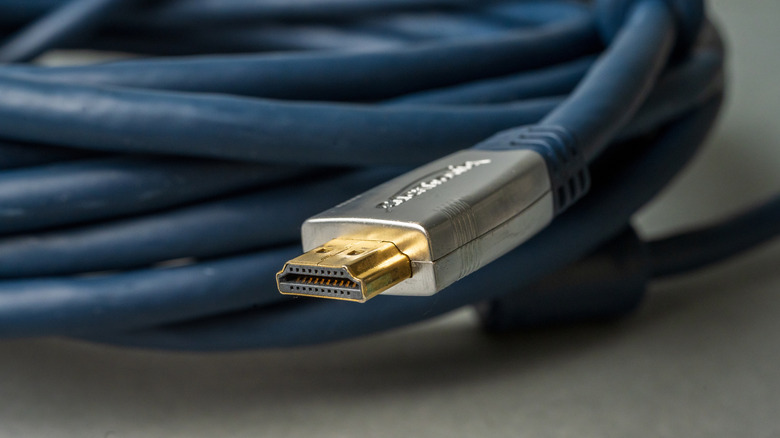
Marketing material for a lot of HDMI cables highlights how they have gold-plated connectors, and that will improve the cable’s performance. However, the gold-plating has no bearing on an HDMI cable’s performance. It helps in avoiding the connectors from getting corroded. However, corrosion is not a big problem for most people, unless you live in specific high-corrosive environments, such as a beach house with salty air or indoor pools with chlorine or bromine vapors in the air.
So, unless you have previously dealt with corrosion in your other cable connectors, there is no reason to pay any premium for a gold-plated HDMI cable. It’s essentially a nice-to-have feature, and if its presence doesn’t impact the cable pricing, you can go for it. Otherwise, a tin or nickel-plated connector will perform equally well and last about the same time as the port on your HDMI device.
Cable length doesn’t impact performance
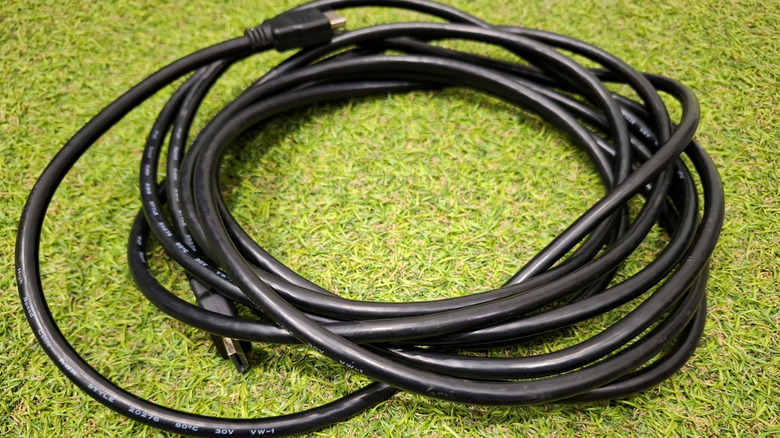
If you’re planning to run a long HDMI cable between two devices, it’s important to consider the cable length. Otherwise, you may face connection issues as the digital signal traveling through an HDMI cable can start degrading because of resistance. The resistance level depends on the material of the conductor and its gauge in the cable. Moreover, with cables supporting newer HDMI specifications, such as the Ultra High Speed HDMI cable, the length becomes particularly important.
While there is no fixed HDMI cable length limit, for UHS HDMI cables, it’s best to limit the cable length to 9 feet. Older Premium High Speed and High Speed HDMI cables can be good for up to around 25 feet. For longer lengths, you can go for active or active-optical HDMI cables, which can be up to hundreds of feet in length and don’t suffer from signal degradation.