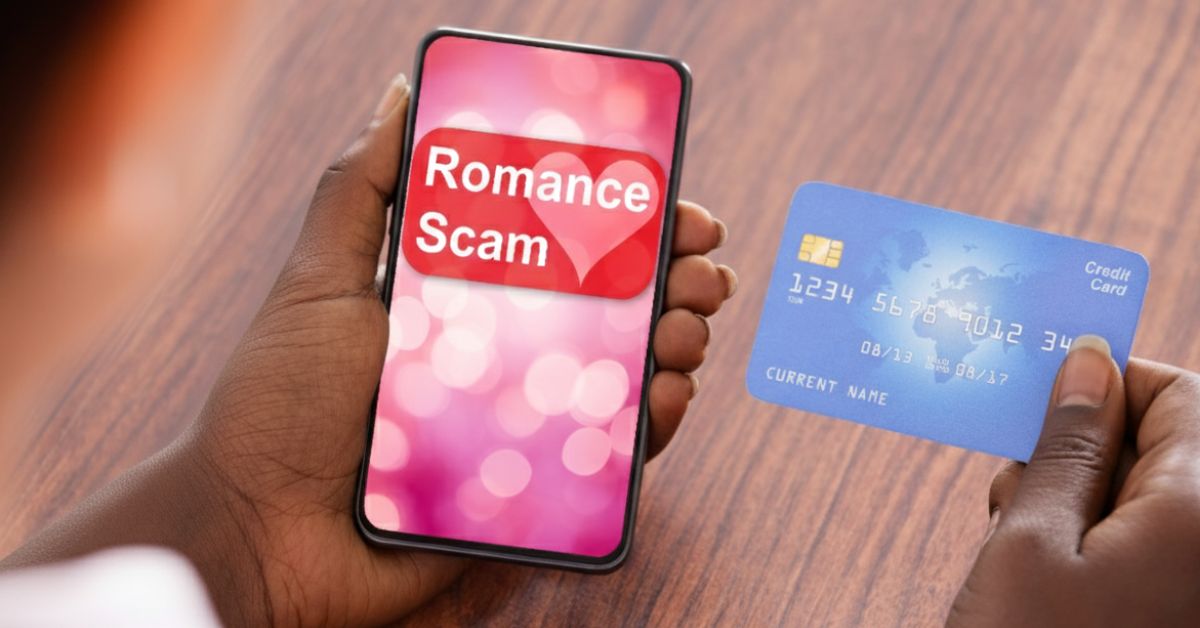
Valentine’s Day is just around the corner, and for many people, it means shopping for gifts, planning romantic meals, or spending more time on dating apps and social media in search of connection. That surge in online activity is exactly what scammers look for. These criminals often exploit the heightened emotions and urgency associated with the season, using social engineering tactics that feel personal and convincing.
With emerging technologies such as artificial intelligence (AI) making fake profiles, messages, and promotional offers more believable, spotting scams has become increasingly difficult for everyday users.
Romance scams remain one of the most common risks during this period. They rose by 19% globally in 2023, according to data from the behavioural biometrics cybersecurity company, BioCatch. In early 2025, Meta said it removed more than 408,000 accounts across Africa linked to romance scam activity, underscoring how widespread the problem has become across the region and beyond.
Others encounter fake Valentine’s gift deals, suspicious email offers, or giveaways claiming to come from well-known brands, only to discover they are scams designed to steal personal data or compromise accounts.
To stay one step ahead of cybercriminals this Valentine’s Day 2026, here are digital safety tips to help you stay protected while searching for love or planning the perfect surprise for your partner.
1. Guard your personal information
Before diving into online dating or shopping, be mindful of what you share. Avoid posting sensitive details like your home address, phone number, or financial information on social media or dating apps. The less personal information you put out there, the harder it is for scammers to target you.
Check your privacy settings on all your devices. Make sure your dating apps and social media accounts are set to limit who can see your personal information. Only allow people you trust to view sensitive content.
2. Secure your dating and social media accounts
Valentine’s Day is a great reminder to show some love to your digital security. Many people still use weak passwords or reuse the same password across multiple accounts, which makes it easier for hackers or scammers to gain access. Using a password manager like Google Password Manager can help you generate and store strong, unique passwords for every account.
Enabling multi-factor authentication (MFA) adds an extra layer of protection, usually combining “something you know” (password) with “something you have or are,” such as a code sent to your phone or your fingerprint. Many devices and apps now support biometric authentication, which makes it much harder for anyone else to log in, even if they somehow get hold of your password. And always be cautious of login notifications or password-reset emails you didn’t request.
3. Verify offers before you click
Scammers love to take advantage of Valentine’s Day deals, from fake gift cards to irresistible discounts at popular retailers. If you receive an email or a text message advertising a great deal, don’t click the link immediately. Instead, open a new browser window, type in the retailer’s official website, and compare it with the link you saw to make sure it’s legitimate. The same goes for giveaways or promotions you see on social media. Even if the ad looks convincing,
take a moment to verify it before sharing personal information or clicking any links. Being cautious about what you click can save you from phishing attacks, malware, and other scams that prey on impulse and excitement during the season.
4. Verify identities before you trust them
Even if someone’s profile looks legitimate, it is important not to assume they are who they say they are just because they have attractive photos or write professionally. Scammers often use stolen pictures or AI-generated images to create convincing profiles, and it is easy to get drawn in before realising something is off.
One simple way to check is to do a reverse image search on their photos to see if they appear elsewhere online. If the same image shows up on multiple accounts or in unrelated contexts, it is a strong warning sign. Beyond photos, pay attention to inconsistencies in their stories or unusual requests for money or personal details.
Taking a moment to verify someone’s identity before sharing sensitive information or investing emotionally can save you from heartbreak, financial loss, and unnecessary stress.
5. Use secure payment methods when shopping or gifting
If you are buying gifts online, be careful about how you make payments, especially when dealing with unfamiliar sellers or websites. Avoid cryptocurrency payments or requests to pay with prepaid gift cards, as these methods are difficult to reverse once money has been sent. Instead, use trusted platforms or payment options that offer buyer protection, so you have a way to recover your money if something goes wrong.
It is also important to confirm that the website or seller you are dealing with is legitimate before completing a purchase. Pay attention to unusual spelling or slight changes in domain names that may indicate a fake site. Before making a purchase, check reviews from independent sources, confirm contact information, and avoid platforms without clear return or refund policies.
Fake online stores often appear around major shopping periods like Valentine’s Day, advertise attractive discounts, collect payments quickly, and disappear soon after.
6. Report and block suspicious accounts early
If a conversation, offer, or online interaction begins to feel suspicious, it is safer to stop engaging immediately. Many people continue responding because they hope the situation is genuine, but scammers often rely on prolonged conversations to build trust and extract more information over time. Blocking suspicious accounts and reporting them to the platform helps prevent further contact and can also protect other users from becoming victims.
Most dating apps, social media platforms, and email services provide reporting tools that allow users to flag fake profiles, scam messages, or fraudulent promotions. Taking a few minutes to report suspicious activity not only protects your account but also helps platforms identify and remove scam networks more quickly.
7. Keep your devices and apps updated with the latest security patches
Regular software updates do more than add new features. They often contain important security fixes designed to close vulnerabilities that cybercriminals actively look for and exploit. This becomes even more important during busy online periods like Valentine’s Day, when scam messages, fake promotions, and malicious links tend to increase.
Outdated operating systems, apps, or antivirus software can make it easier for attackers to gain access to your device. Keeping your phone and computer updated ensures you receive the latest security protections as soon as they are released. Enabling automatic updates is one of the simplest ways to stay protected.
Beyond updates, using reputable antivirus or anti-malware software adds another layer of protection by helping detect and block suspicious downloads, fake Valentine’s themed messages, or malicious links before they can compromise your device.
8. Educate yourself and share awareness with others
Staying informed about common scam tactics is one of the most effective digital safety tips out there. Scammers constantly adjust their methods and are becoming sophisticated daily. Understanding how scams typically work makes it easier to recognise warning signs before any damage is done.
The risks during the Valentine’s season are rarely limited to one person. Friends, family members, and colleagues may face the same threats without realising it. Sharing what you know helps create awareness within your circle and reduces the chances of someone close to you becoming a victim. The more people understand how these scams operate and what red flags to watch for, the harder it becomes for cybercriminals to succeed.