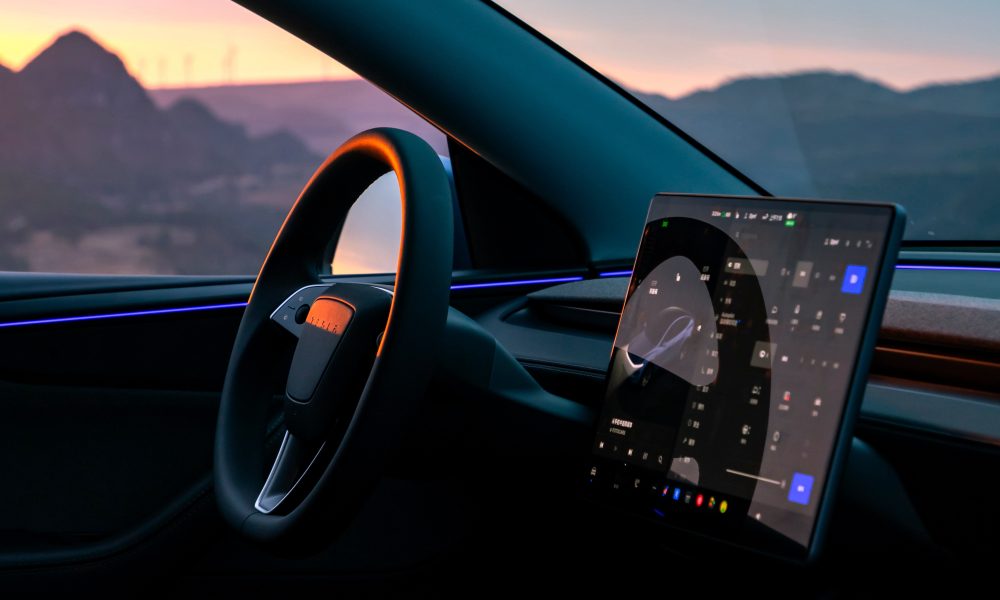
If you rolled your eyes after reading that another Chinese auto company is launching electric vehicles (EVs) in South Africa, where major players are already circling like packs of wolves looking for their next meal, then you wouldn’t be wrong. But, you might be missing the real story.
On Monday, Dongfeng, the smallest of China’s “Big Four” car companies—along with SAIC, FAW, and Changan—launched four new EV brands in South Africa, targeting the middle-class. Its cheapest brand, the E1330, will be priced at R459,000 ($27,000), but still more expensive than BYD’s Dolphin Surf, which launched in September, and Dayun S5, priced at R399,000 ($22,000).
Dongfeng? Doesn’t ring a bell: A major question on anyone’s mind is why a certain “Dongfeng” is trying to compete with EV giants like BYD. But the reality is, despite BYD’s huge global market share—which it amassed by undercutting competitors—Dongfeng was one of the first car brands in the world to bet on EVs. The company started building an EV bus assembly in 2010, and by 2014, it launched Venucia e30, its first all-electric passenger vehicle.
So, why was Dongfeng late to the private EV car business? Dongfeng spent its early EV years concentrating on buses, logistics vehicles like e-trucks, and other commercial fleets, reflecting China’s push to electrify public transport and state-backed services first. That focus helped the company build technical depth and scale, but it also delayed its move into private passenger cars until it felt confident it could compete on cost and technology.
State of play: Dongfeng has already started expanding beyond China. The company entered Mexico in December 2024 with a lineup that includes battery-powered electric vehicles (BEVs) and hybrids. With its new South Africa rollout, Dongfeng appears to be doubling down on international expansion, hoping to catch demand early in markets where EV adoption is nascent.