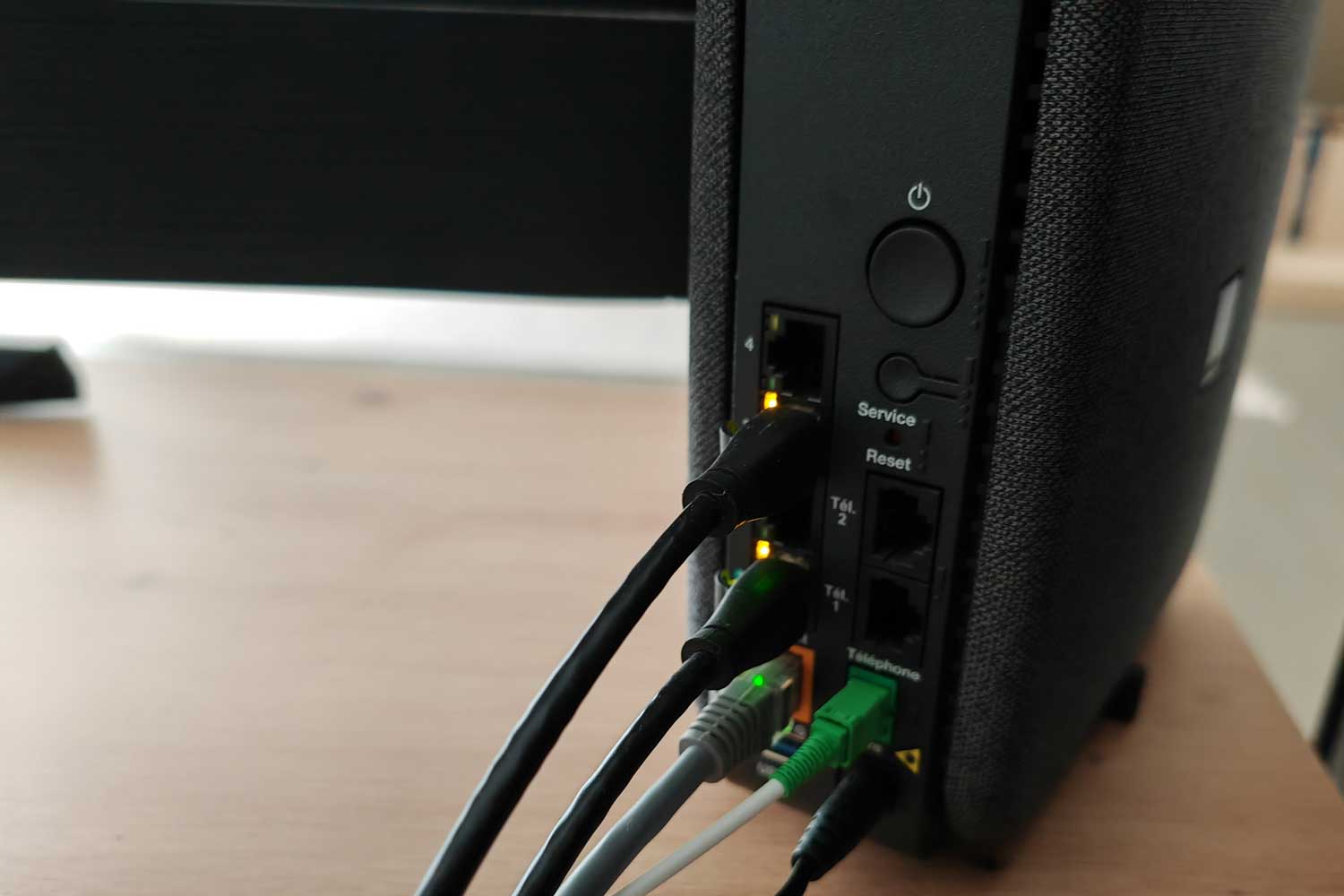
While ecological awareness is entering the political debate and electricity prices continue to rise every year (the war in Ukraine has only amplified this trend), each gesture is scrutinized for its impact on the environmental footprint and the energy bill. One of the tips that we find everywhere on the web – and which is debated – is that of turning off your Wi-Fi box at night. Is this a false debate?
An Arcep study provides clues
A survey carried out by Arcep, the telecoms regulator, and taken up by our colleagues at Lemon squeezer returns to the question by giving the energy consumption of fiber optic and ADSL boxes which are present in 24 million French homes. In 2022, these devices would have consumed a total of 3.3 terawatt hours of electricity, or around 2.2% of household energy bills.
Furthermore, Arcep specifies that 95% of the consumption of a box is independent of its actual use. In other words, an inactive internet box continues to consume almost as much energy as an… active box. So, turning off your box at night can actually be a significant saving measure since leaving it inactive consumes energy. That said, given the amount of energy consumed by this device, the interest may seem limited. It is better to focus on large household appliances that can suck up much more resources.
Twitter-tweet” data-width=”500″ data-dnt=”true”>
95% of the average electricity consumption of the internet boxes and TV decoders studied is invariable, whether the box is used a lot or not, or the amount of data traffic. All study results: https://t.co/jXzxootZ5q pic.twitter.com/rsQpvfMIq3
— Arcep (@Arcep) March 21, 2024
The president of Arcep, Laure de La Raudière, however appreciates the efforts of operators to improve energy efficiency but she calls for more rigorous verification of this progress over time. She advocates for a holistic approach to eco-design in the digital sector that would involve device manufacturers, operators, platforms and data centers, to truly reduce environmental impact.
Each operator uses its communication during the presentation of its Wi-Fi boxes – Free being the latest with the release of its Freebox Ultra. Last January, Xavier Niel specified, for example, that “It was a desire of the Free teams from its conception (…) To make the Freebox Ultra a sustainable, eco-responsible product”. In 2020, Orange was one of the first ISPs to announce an eco-responsible box, which has since evolved.
What to do?
Turning off your internet box at night is a good start but it is not enough to drastically reduce your energy bill. In fact, these small devices do not consume much of the average household energy budget. We need to rethink the use of electronic devices more generally – and household appliances are targeted – to reduce costs.
However, to meet the expectations of the general public, Arcep intends to integrate environmental issues into its new strategic roadmap. Indeed, digital technology is certainly a lever for energy transition but it must also minimize its ecological footprint in the short term. We must therefore find the right compromise between all stakeholders to successfully reduce the impact of these electronic devices.
🟣 To not miss any news on the WorldOfSoftware, subscribe on Google News and on our WhatsApp. And if you love us, .