Meta Platforms Inc. is weighing significant cuts to the budget of its metaverse unit, Bloomberg and the New York Times reported today.
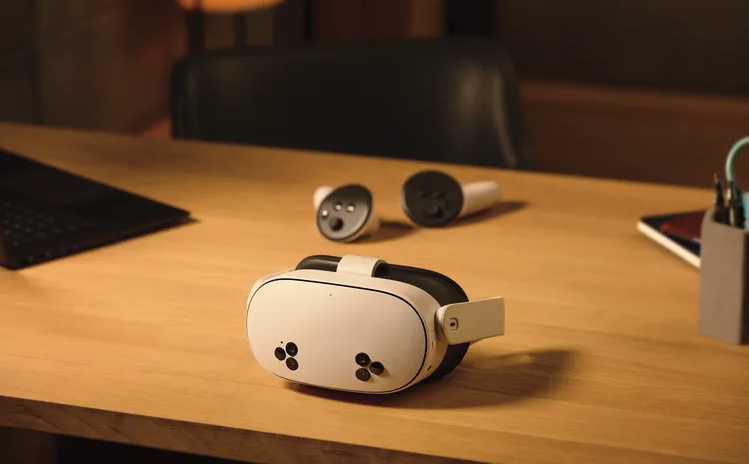
The unit is responsible for the company’s Quest series of virtual reality headsets. The most capable device in the lineup, the Quest 3, has a resolution of 2,064 by 2,208 pixels per eye. It’s powered by a customized version of Qualcomm Inc.’s Snapdragon XR2 Gen 2 system-on-chip.
Sources told Bloomberg that Meta could slash the metaverse unit’s budget by up to 30% next year. According to the Times, the cost reductions may lead to job cuts. Meta could reportedly lay off between 10% of the 30% employees who work at the unit.
Recent rumors suggest that the Facebook parent is working on a successor to the Quest 3. The device is expected to feature higher-resolution displays and a lighter, more compact form factor. It’s unclear how the budget cut might affect the project.
One possibility is that third-party hardware manufacturers will take on a bigger role in Meta’s metaverse efforts. Last year, the company made the custom operating system that powers the Quest available to partners for use in their devices.
Meta’s metaverse unit develops not only hardware but also a VR social network called Horizon Worlds. The app, which is Facebook parent’s flagship metaverse title, enables users to create and explore virtual worlds. It’s unclear how the potential budget cuts might impact Horizon Worlds’ continued availability.
The metaverse unit is part of a Meta division called Reality Labs that lost $17.7 billion in 2024. “Press reports have suggested Meta could cut upwards of 30% for the Metaverse group expenses in ’26, which would imply between $4BN-$6BN in Reality Labs cost cuts, per our estimates,” TD Cowen analysts wrote today in a note to investors. “Broadening out to our overall Meta ’26 operating expenses, we currently estimate total opex of $154.1BN, +31% y/y, ~3% above consensus estimates.”
Meta reportedly plans to redirect funds from the metaverse unit to Reality Labs’ other products, notably its line of augmented reality glasses. The Facebook parent launched the latter product family in 2021 through a collaboration with eyewear giant EssilorLuxottica SA. According to the Times, demand for Meta’s glasses has exceeded internal expectations so far.
The company debuted the newest addition to the product lineup, the Meta Ray-Ban Display, in September. It includes a built-in artificial intelligence assistant that enables users to overlay content on the lenses. For example, a user could ask the AI to display turn-by-turn walking directions to a nearby restaurant.
Last year, Meta previewed a next-generation device called Orion that features a larger screen than the Meta Display. The company is currently working on a consumer version of the glasses. A move by Meta to shift resources from metaverse projects to eyewear development could potentially bring the device’s launch date forward.
Image: Meta
Support our mission to keep content open and free by engaging with theCUBE community. Join theCUBE’s Alumni Trust Network, where technology leaders connect, share intelligence and create opportunities.
- 15M+ viewers of theCUBE videos, powering conversations across AI, cloud, cybersecurity and more
- 11.4k+ theCUBE alumni — Connect with more than 11,400 tech and business leaders shaping the future through a unique trusted-based network.
About News Media
Founded by tech visionaries John Furrier and Dave Vellante, News Media has built a dynamic ecosystem of industry-leading digital media brands that reach 15+ million elite tech professionals. Our new proprietary theCUBE AI Video Cloud is breaking ground in audience interaction, leveraging theCUBEai.com neural network to help technology companies make data-driven decisions and stay at the forefront of industry conversations.